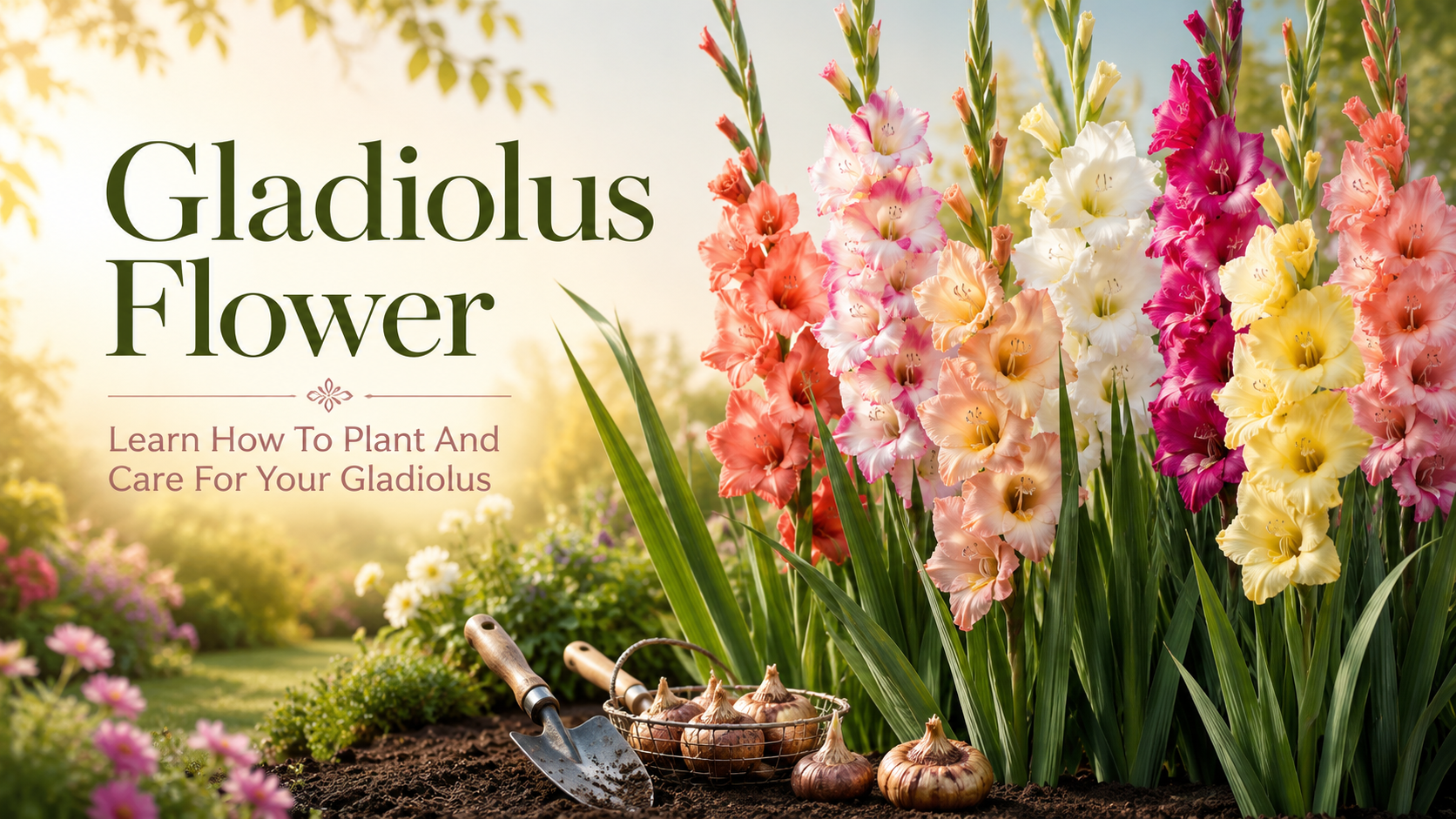

A complete grower’s guide to spectacular gladiolus — from choosing corms to cutting towering flower spikes for stunning arrangements.
Quick Summary
- Best for: Cut flowers, borders, back-of-bed vertical interest
- Difficulty: Easy — ideal for beginners
- Time to Bloom: 60–90 days from planting corms
- Climate: USDA Zones 7–10 (lift corms in colder zones)
- Benefits: Dramatic flower spikes, wide color range, excellent vase life
- ✓Bloom Season: Midsummer through early fall
Gladiolus At A Glance
Botanical Name
Gladiolus spp.
Family
Iridaceae
Hardiness
Zones 7–10 (perennial)
Height
2–5 ft (60–150 cm)
Bloom Time
July–September
Sun
Full sun (6–8 hrs)
Few flowers make a statement quite like the gladiolus. Rising on sword-shaped leaves — the name derives from the Latin ‘gladius’ meaning sword — these towering spikes burst open from bottom to top in a procession of ruffled blooms that can last two weeks in a vase.
Native to sub-Saharan Africa, gladioli have been hybridized for centuries into thousands of cultivars spanning every color imaginable except true blue. They’re a staple of competitive flower shows and a favorite of florists for their dramatic vertical lines and exceptional vase life.
This guide walks you through everything from selecting healthy corms and planting for succession blooms, to staking, feeding, pest control, and storing corms over winter. Whether you want a few spikes for the kitchen table or a full cutting row, gladiolus deliver spectacular results with minimal fuss.
Choosing The Right Gladiolus Varieties
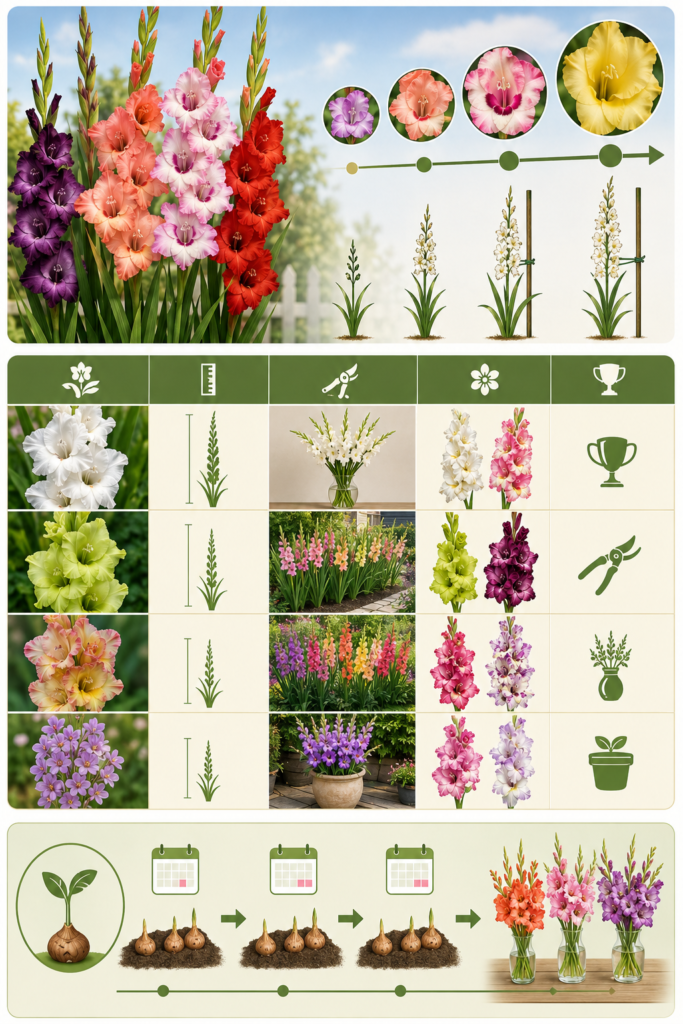
Gladiolus varieties are classified by flower size — from miniature (under 2.5 inches) to giant (over 5.5 inches across). Size affects both the visual impact and the amount of staking required. Giant varieties produce the showiest spikes but need robust support in windy sites.
For cut flowers, choose tall grandiflora types with at least 12 florets per spike. For borders and containers, compact varieties like the Nanus hybrids offer elegance without the need for staking and naturalize beautifully in mild climates.
| Type | Height | Best For | Example |
|---|---|---|---|
| Grandiflora (Giant) | 4–5 ft | Cut flowers, exhibition | White Prosperity, Priscilla |
| Large-flowered | 3–4 ft | Borders, cutting gardens | Green Star, Plum Tart |
| Butterfly | 2–3 ft | Mixed borders, arrangements | Impressive, Fiorentina |
| Nanus (Miniature) | 1.5–2 ft | Containers, naturalizing | Nymph, Charm |
🌱 Beginner Tip
Plant corms every 2 weeks from mid-spring through early summer for continuous blooms from July through September. A succession planting of just 3 batches keeps your vases full all season.
When & Where To Plant Gladiolus Corms
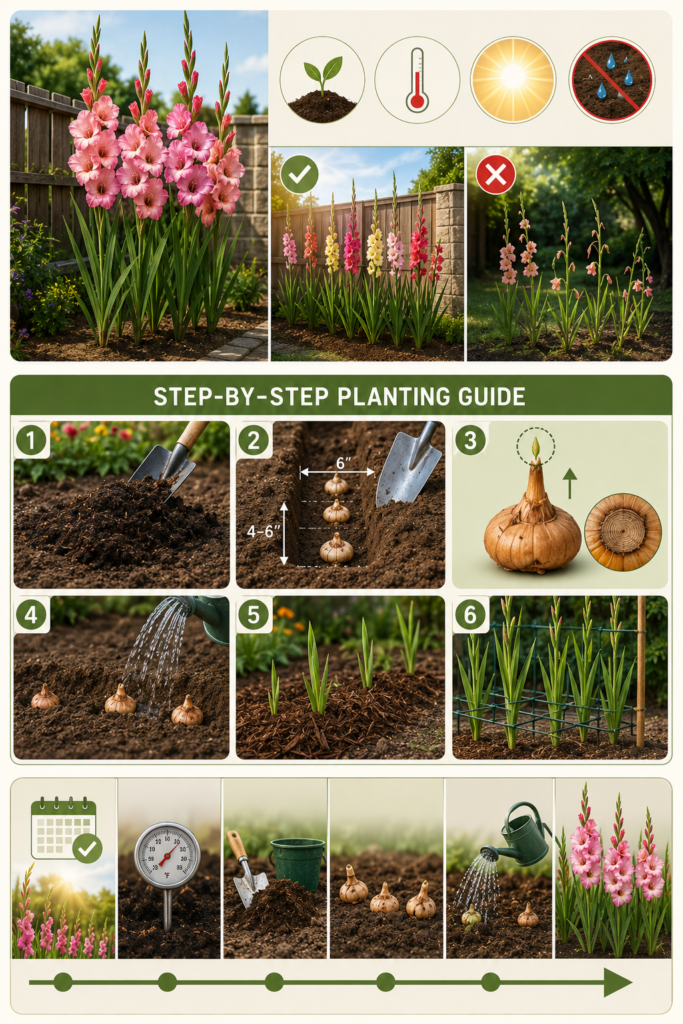
Plant gladiolus corms in spring after all danger of frost has passed and soil temperature reaches at least 55°F (13°C). In most regions, this means April through June. Choose a spot with full sun and well-drained soil — gladiolus corms rot quickly in waterlogged ground.
A sheltered position near a fence or wall provides wind protection for tall spikes. Avoid heavy shade — even partial shade produces weak, floppy stems and fewer flowers.
Step-by-Step Planting Guide
- Work 2–3 inches of compost into the planting area. Gladiolus prefer slightly acidic to neutral soil (pH 6.0–7.0).
- Dig a trench or individual holes 4–6 inches deep. Space corms 6 inches apart for large varieties, 4 inches for miniatures.
- Place corms pointed end up. If you can’t tell which end is up, look for the flat basal plate — that goes down.
- Cover with soil and water thoroughly. Unlike dahlia tubers, gladiolus corms benefit from immediate watering after planting.
- Apply a 2-inch layer of mulch to retain moisture and suppress weeds. Keep mulch away from emerging shoots.
- Install a grow-through grid or stake tall varieties at planting time to avoid disturbing roots later.
⚠️ Common Mistake
Planting corms too shallow is the most common error. At only 2 inches deep, tall flower spikes become top-heavy and topple in the first breeze. Always plant at least 4 inches deep — 6 inches in sandy soil.
Watering, Feeding & Staking
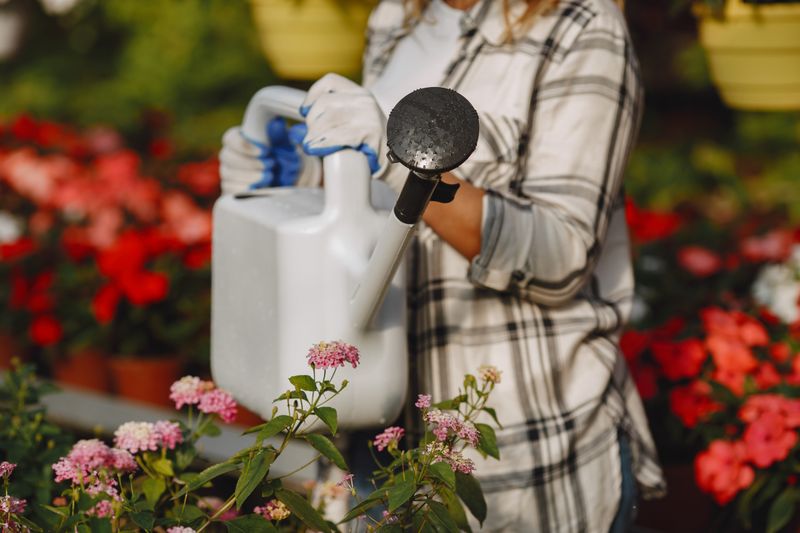
Gladiolus need consistent moisture — about 1 inch of water per week — especially from the time shoots emerge until flowers fade. Water deeply at the base rather than overhead to prevent fungal problems on the foliage.
Feed with a balanced fertilizer (10-10-10) when shoots reach 6 inches tall, then again when flower spikes begin to emerge. Avoid high-nitrogen formulas which produce lush leaves but weak stems.
💬 Expert Advice
“The secret to perfectly straight gladiolus spikes is staking before you need it. By the time a spike leans, it’s already kinked and won’t straighten. I run twine between stakes on both sides of the row when plants are 12 inches tall.” — James Hartwell, Gardener Haven
| Task | Frequency | Notes |
|---|---|---|
| Deep watering | 1–2× per week | More in heat; less if rainy |
| Fertilizing | Twice per season | At 6″ growth and at spike emergence |
| Staking | At 12″ height | Use soft ties; check after wind |
| Removing spent florets | As they fade | Keeps spike looking tidy; directs energy to remaining buds |
Pests & Diseases: Identification & Solutions
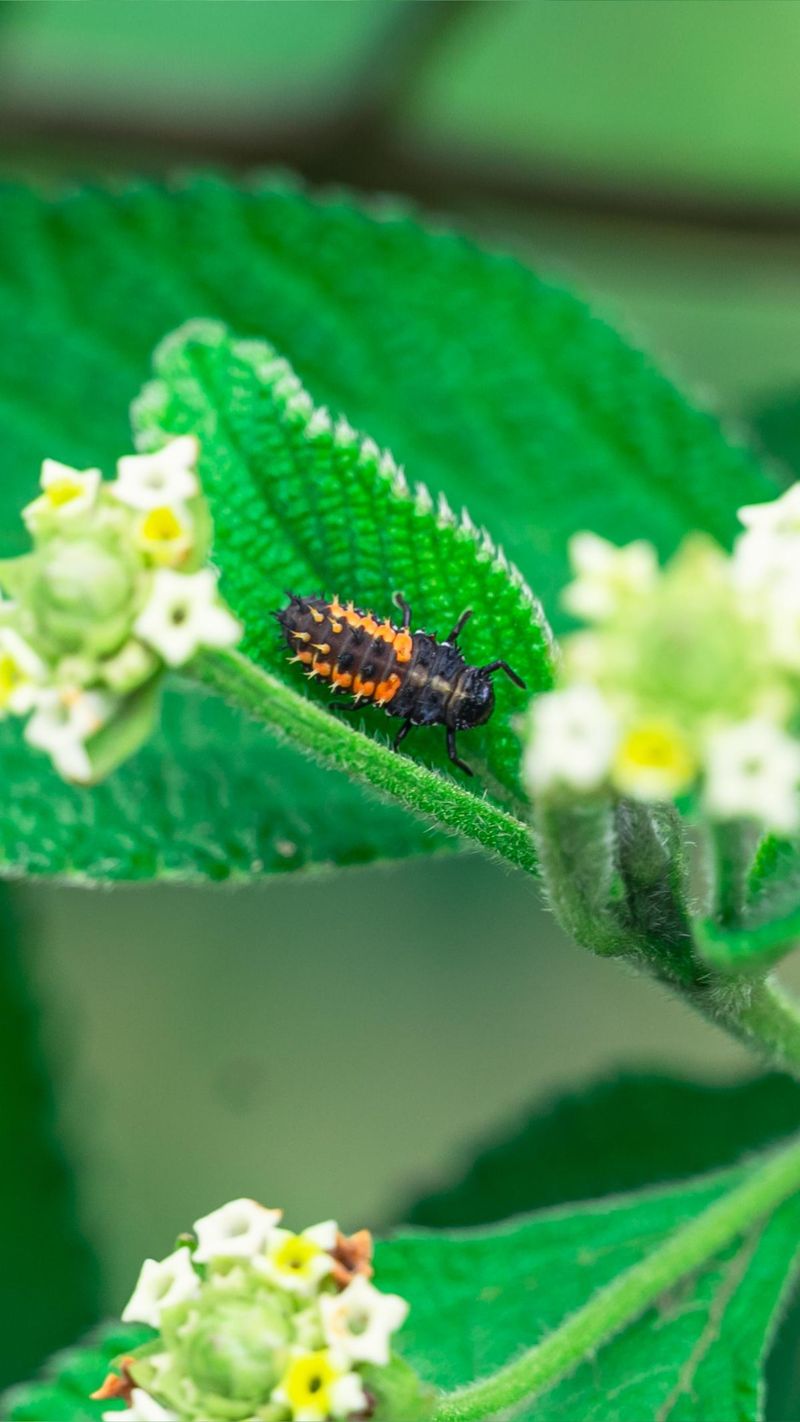
Gladiolus are susceptible to a handful of pests and diseases, most of which can be managed through good cultural practices — proper spacing for airflow, crop rotation, and inspecting corms before planting.
| Pest/Disease | Signs | Organic Solution |
|---|---|---|
| Thrips | Silver streaking on leaves and petals, distorted buds | Neem oil spray, blue sticky traps, soak corms pre-planting |
| Fusarium Wilt | Yellowing leaves from base up, corm rot with dark rings | Remove infected plants, rotate beds 3–4 years, buy clean corms |
| Botrytis (Gray Mold) | Brown spots on petals, fuzzy gray mold in humid weather | Improve airflow, avoid overhead watering, copper fungicide |
| Aphids | Sticky honeydew, curled leaves, stunted growth | Strong water blast, insecticidal soap, encourage ladybugs |
🐞 Did You Know?
Gladiolus thrips overwinter on stored corms. Soaking corms in warm water (110°F) for 5 minutes before spring planting kills thrips without harming the corm — one of the simplest and most effective organic controls.
Lifting & Storing Gladiolus Corms
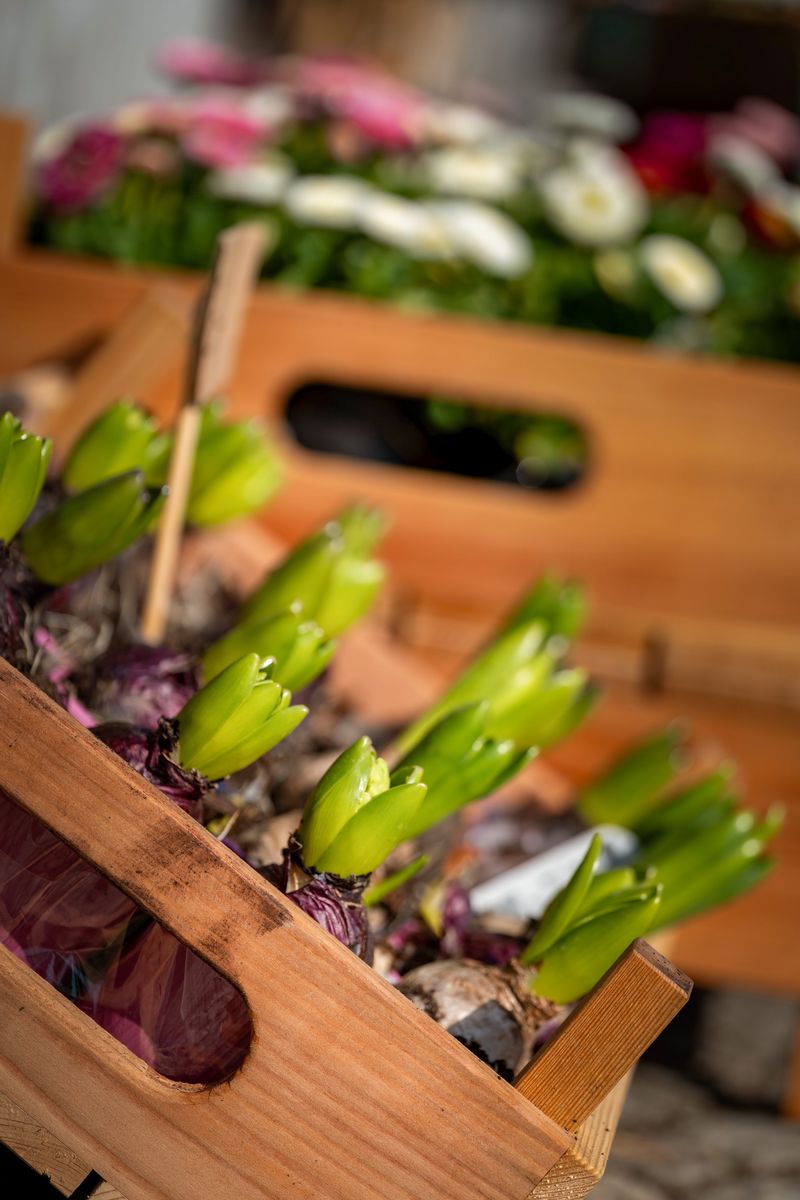
In USDA Zones 8 and warmer, gladiolus corms can remain in the ground year-round with a protective mulch layer. In colder regions, you must dig them up after the foliage yellows naturally (typically 6–8 weeks after blooming) or after the first light frost.
Proper curing and storage ensures your corms return vigorous and disease-free next spring. The old spent corm shrivels beneath the new one — discard it along with any cormels you don’t want to grow on.
How To Store Gladiolus Corms (5 Steps)
- Dig corms carefully with a garden fork. Shake off loose soil and cut stems to 1–2 inches.
- Cure in a warm (75–80°F), well-ventilated area for 2–3 weeks. A covered porch or garage works well.
- Remove the old shriveled corm from the base and peel off loose husks. Discard any with dark lesions or soft spots.
- Dust lightly with sulfur or a fungicide powder to prevent storage rot.
- Store in mesh bags or open paper bags at 35–45°F with low humidity. Check monthly and discard any showing mold.
💡 Pro Tip
Save the small cormels (baby corms) that form around the base. Plant them in a nursery row next spring — they’ll reach blooming size in 1–2 seasons, giving you free plants to expand your collection or share with friends.
Frequently Asked Questions
When should I plant gladiolus corms?
Plant in spring after the last frost when soil reaches 55°F. In most areas this is April through June. For continuous blooms, plant a new batch every 2 weeks.
Do gladiolus come back every year?
In Zones 8–10 they’re perennial and return reliably. In colder zones, you must lift and store corms over winter then replant in spring.
How deep should I plant gladiolus corms?
Plant 4–6 inches deep, pointed end up. Deeper planting (6 inches) provides better support for tall spikes and reduces the need for staking.
Why are my gladiolus falling over?
Usually caused by shallow planting, lack of staking, or too much shade. Plant deeply, stake early, and ensure full sun for the sturdiest stems.
How long do gladiolus last in a vase?
Cut when the first 2–3 florets open and they’ll last 7–10 days in a vase. Change water every 2 days and remove spent florets from the bottom as fresh ones open at the top.
Can I grow gladiolus in pots?
Yes — choose compact Nanus or Butterfly types and use a pot at least 12 inches deep with excellent drainage. Plant 5–7 corms per 12-inch container for a full display.
Key Takeaways
- ✓Plant corms 4–6 inches deep in full sun after the last frost for strong, upright spikes.
- ✓Succession plant every 2 weeks for continuous blooms from July through September.
- ✓Stake tall varieties at planting time — don’t wait until they lean.
- ✓Soak corms in warm water before planting to eliminate overwintering thrips.
- ✓Lift and cure corms in fall for Zones 7 and colder; store at 35–45°F until spring.