
That bright green powder has a story that spans nearly a thousand years — from ancient China to the tea gardens of Japan. Here’s where matcha really comes from, and why Japan made it a cultural symbol.
The short answer: matcha as we know it today is deeply and proudly Japanese — but its roots reach back to ancient China. Powdered green tea began in China centuries ago, then traveled to Japan, where it was refined, ritualised, and turned into the vivid ceremonial matcha the world loves today.
If you’ve searched where does matcha come from, matcha origin, or is matcha Japanese or Chinese, you’re really asking for the full story — not just a definition. This guide follows matcha’s journey step by step: its ancient origins, how China shaped early powdered tea, how it became distinctly Japanese, the role of the tea ceremony, the famous regions that grow it, and why authentic Japanese matcha is considered so special. Simple words, real history, so you can buy and enjoy matcha with confidence.
Where Is Matcha From Originally?
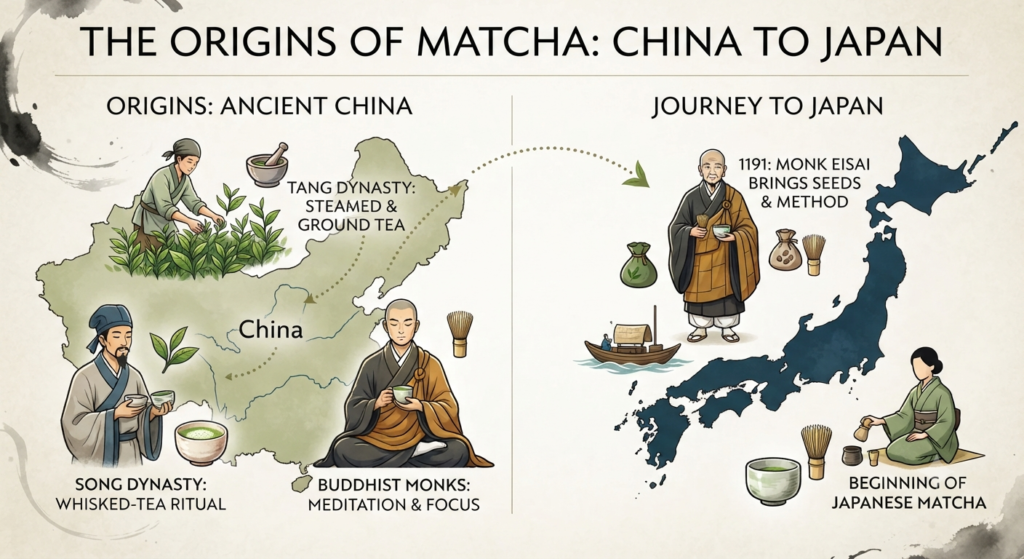
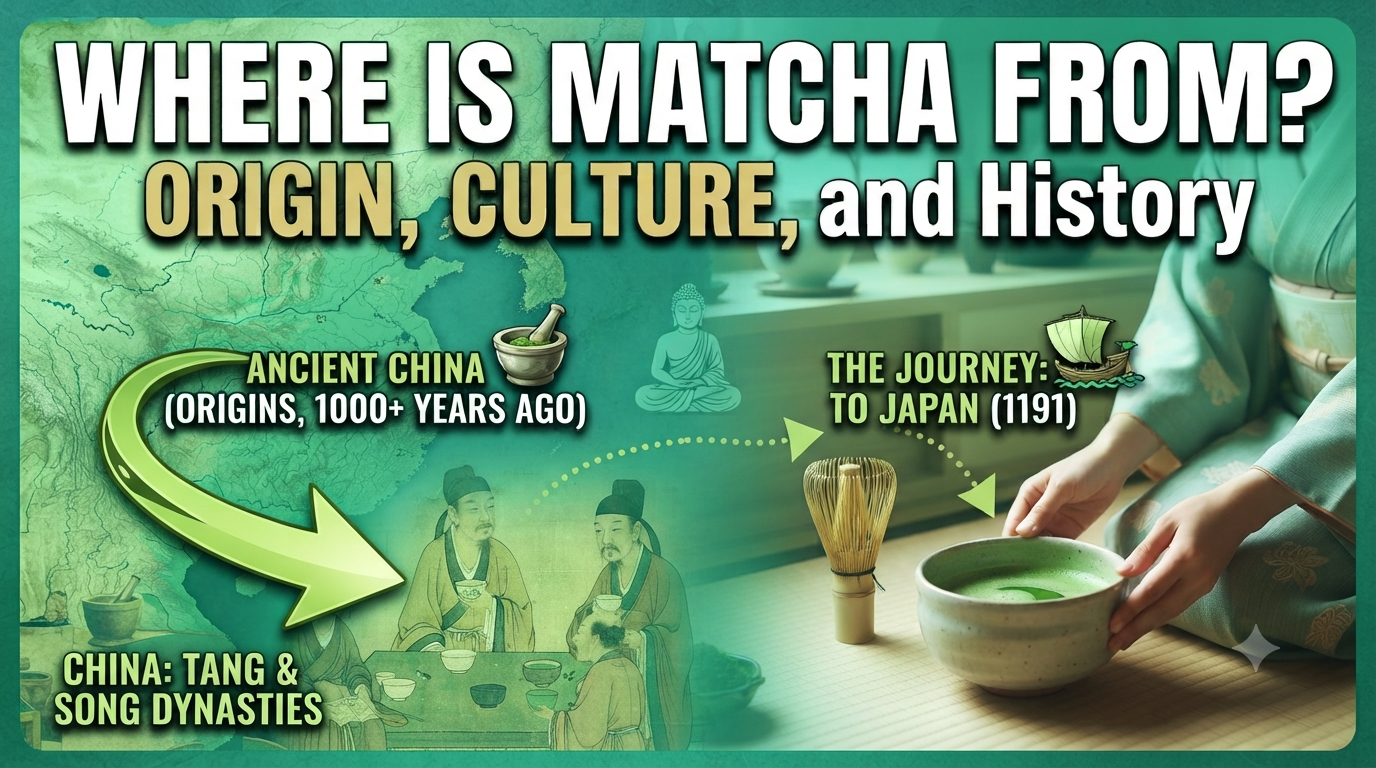
Matcha’s earliest roots aren’t in Japan at all — they’re in ancient China, where the idea of grinding and whisking green tea into a powder first appeared over a thousand years ago.
Ancient Chinese Roots
During China’s Tang and Song dynasties (7th–13th centuries), tea leaves were steamed, dried and ground into powder, then whisked with hot water — the earliest ancestor of matcha.
A Song Dynasty Ritual
In Song-era China, whisking powdered tea into a frothy bowl was a refined art. This whisked-tea culture is where matcha’s technique truly began.
Buddhist Monks
Zen Buddhist monks valued powdered tea to stay alert and focused during long meditation — linking tea with mindfulness from the very start.
The Journey to Japan
Around 1191, the Japanese monk Eisai carried tea seeds and the whisked-tea method home from China — planting the seed, literally, for Japanese matcha.
How China Shaped Early Matcha
So, is matcha Chinese or Japanese? The honest answer is: both, at different points in history. The core technique — grinding green tea into a fine powder and whisking it with hot water — was born in China during the Tang and Song dynasties. Zen Buddhist monks perfected it as a way to stay calm and alert during meditation. But in China this powdered-tea tradition eventually faded, as loose-leaf and steeped teas became more popular. Japan, meanwhile, took the method Eisai brought back, protected it, and slowly transformed it into something uniquely its own. In short: China gave the world the idea of matcha; Japan gave it the culture, craft and identity it carries today.
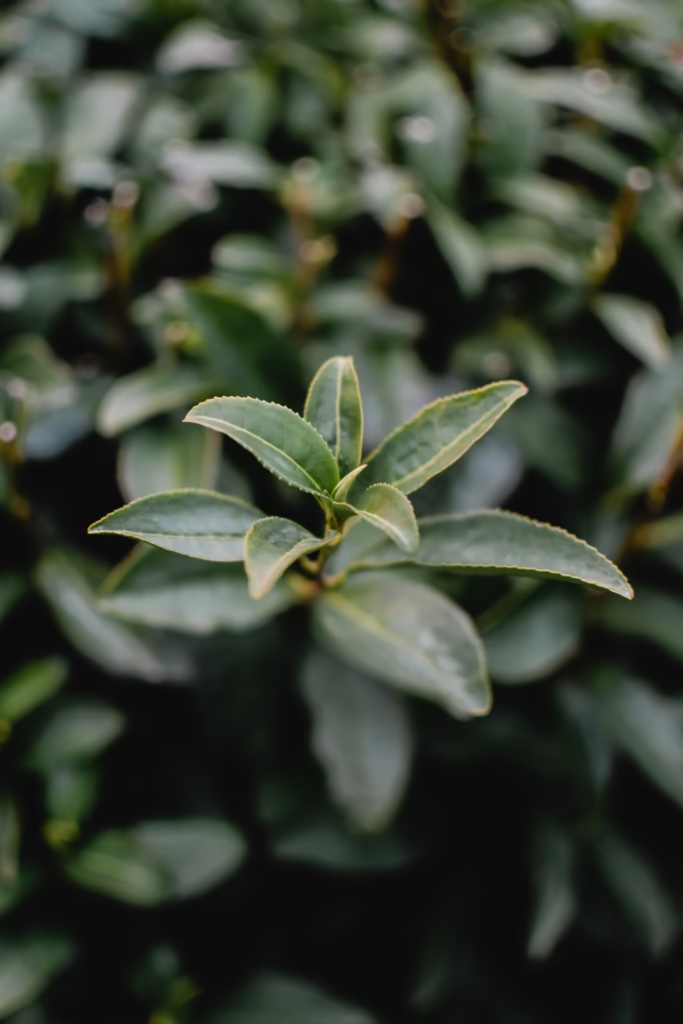
How Matcha Became Japanese
Once matcha arrived in Japan, it grew from a monk’s meditation aid into a national art form. Three big steps turned Chinese powdered tea into Japanese matcha.
Carried by Monks
The monk Eisai introduced whisked tea and Zen Buddhism together. Tea spread first through temples, tying matcha to discipline, presence and calm.
Refined by Craft
Japanese growers developed shade-growing and stone-grinding, producing a brighter, sweeter, more vivid tea than anything before — the matcha we recognise today.
Elevated to Art
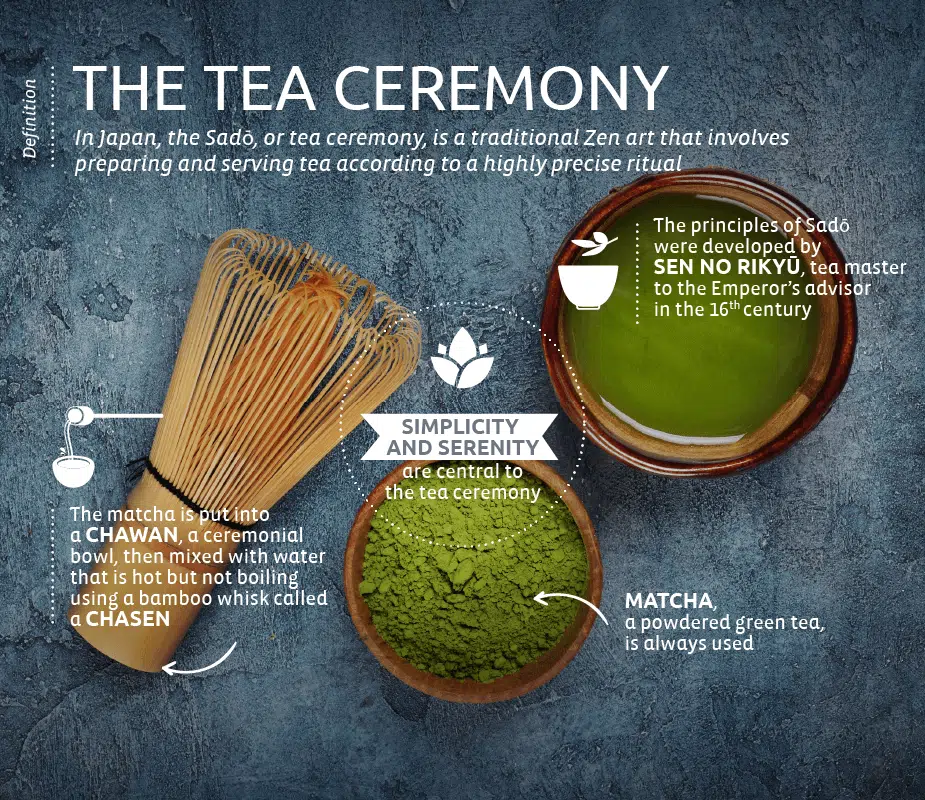
By the 16th century, tea master Sen no Rikyū shaped the Japanese tea ceremony (chanoyu), making matcha the heart of a whole philosophy of hospitality and simplicity.
The Role of the Japanese Tea Ceremony
The tea ceremony, or chanoyu, turned drinking matcha into a mindful ritual built on four ideals: harmony, respect, purity and tranquility. Every movement — warming the bowl, measuring the powder, whisking to a froth — is deliberate and calm. Guided by tea master Sen no Rikyū, matcha became a symbol of hospitality, presence and simplicity. This is why matcha feels so connected to mindfulness today: in Japan, preparing and sharing it has always been about being fully in the moment.
Famous Matcha-Producing Regions
Today, the finest matcha comes from a handful of Japanese regions known for ideal climate, soil and centuries of expertise. When people ask where authentic matcha is made, these are the names to know.
Uji, Kyoto
The most famous matcha region in the world. Uji has grown tea for over 800 years and is prized for its exceptional ceremonial-grade matcha.
Nishio, Aichi
A major matcha centre known for large-scale, high-quality production and rich, smooth flavour — a name you’ll often spot on quality tins.
Kagoshima & Shizuoka
Southern Kagoshima’s warm climate yields vibrant matcha, while Shizuoka is one of Japan’s largest tea-growing areas overall.
Why Japanese Matcha Is Special
Japanese matcha stands apart because of how it’s grown and made. The plants are shade-grown for weeks before harvest, which boosts chlorophyll and sweet amino acids for that vivid green and smooth, non-bitter taste. Only the youngest, tenderest leaves are hand-selected, steamed, dried, and slowly stone-ground into an ultra-fine powder. Add centuries of craft, strict regional standards, and a deep tea culture, and you get a tea that is more refined — and often more expensive — than ordinary green tea powder. That combination of tradition, terroir and technique is what makes authentic Japanese matcha so prized.
Is Matcha Only Made in Japan?
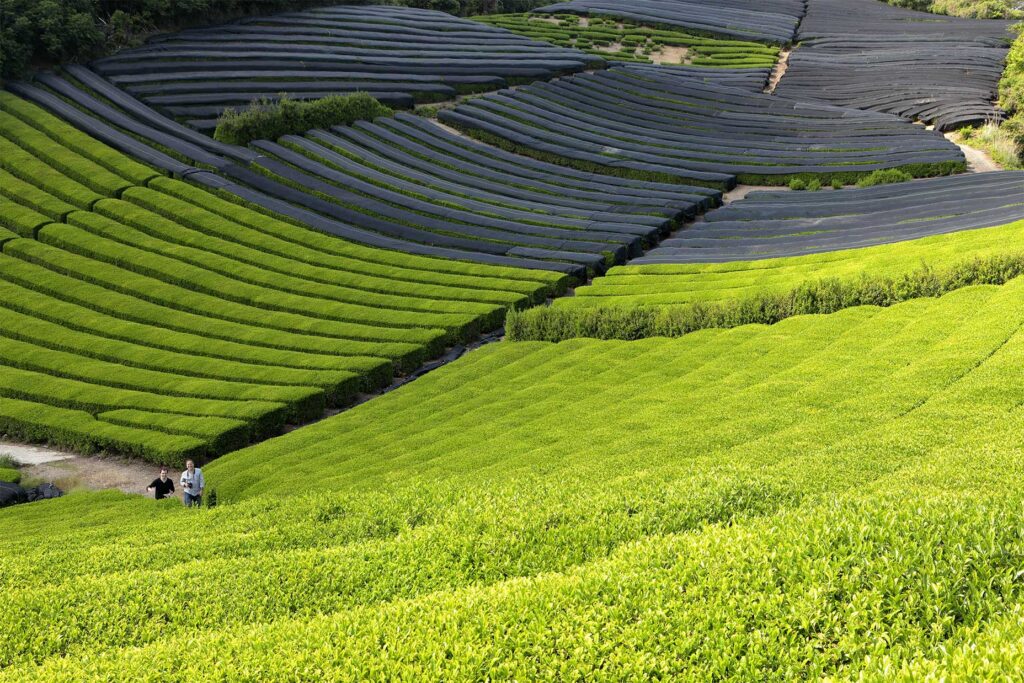
Not strictly — but authentic, high-quality matcha is overwhelmingly Japanese. China (where powdered tea began) and other countries like Korea now produce matcha-style powders too, and some are perfectly good for lattes or baking. However, when people talk about true ceremonial matcha, they almost always mean Japanese matcha, grown and stone-ground using traditional methods in regions like Uji. Also, remember: not all green tea powder is matcha. Real matcha comes specifically from shade-grown tea leaves (tencha) that are stone-ground into a fine powder. Cheaper ‘green tea powder’ is often just regular tea leaves ground up — greener in name than in quality. If you want the real thing, look for Japanese origin and a clear grade.
How to Buy Authentic Matcha
Now that you know matcha’s story, buying the real thing is easier. Use this simple checklist to make sure you’re getting genuine, high-quality Japanese matcha instead of ordinary green tea powder.
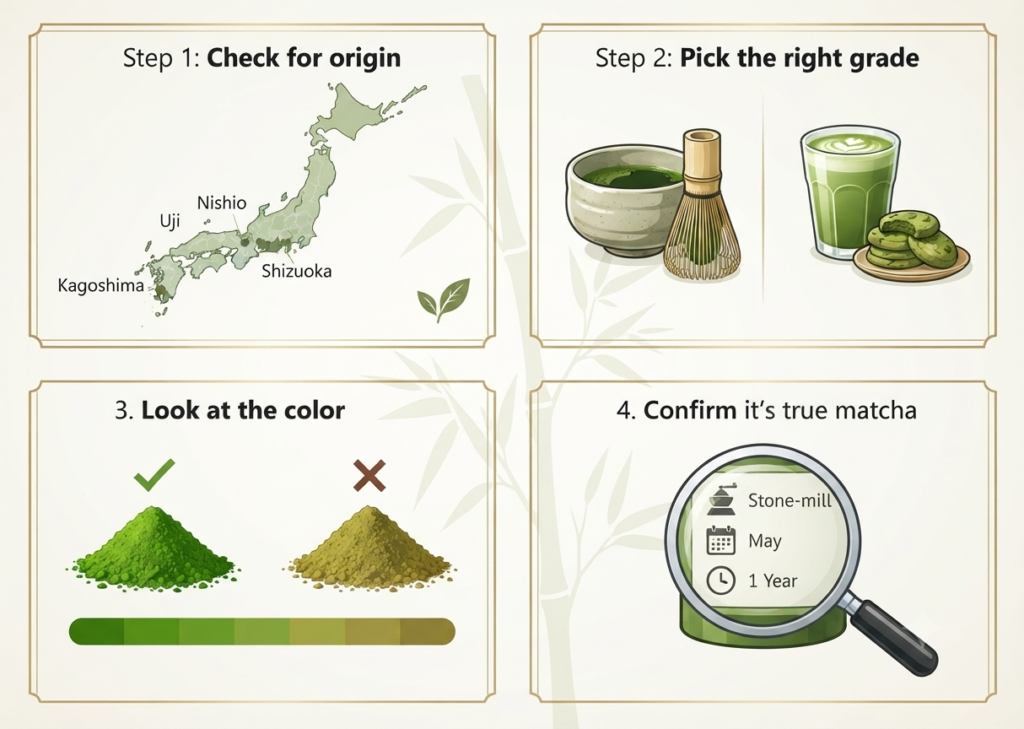
Check for Japanese origin
Look for a clear Japanese origin — ideally a named region like Uji, Nishio, Kagoshima or Shizuoka — and a single ingredient: 100% green tea.
Pick the right grade
Choose ceremonial grade for drinking straight, and culinary grade for lattes, smoothies or baking — both authentic, just made for different uses.
Look at the color
Real, fresh matcha is a vivid, jewel-like green. Dull, yellow or brownish powder often means older leaves, lower quality, or plain green tea powder.
Confirm it’s true matcha
Genuine matcha is stone-ground from shade-grown tencha leaves. Check the label and a harvest or best-by date so you know it’s fresh and authentic.
FAQs About Where Matcha Comes From
Where is matcha from originally?
The technique of grinding and whisking green tea into powder originated in ancient China during the Tang and Song dynasties. It was later brought to Japan around 1191 by the monk Eisai, where it was refined into the matcha we know today.
Is matcha Japanese or Chinese?
Both, at different points in history. Powdered tea began in China, but the tradition faded there. Japan preserved and perfected it, so modern ceremonial matcha is considered distinctly Japanese.
Where does the best matcha come from today?
The most prized matcha comes from Japan, especially Uji in Kyoto, along with Nishio, Kagoshima and Shizuoka. These regions have ideal growing conditions and centuries of expertise.
Why is Japanese matcha so famous?
Japanese matcha combines shade-growing, careful harvesting of young leaves, slow stone-grinding, strict standards and deep tea culture. This produces a vivid, smooth, high-quality tea that’s hard to match elsewhere.
Is all green tea powder matcha?
No. True matcha is stone-ground from shade-grown tencha leaves. Cheaper ‘green tea powder’ is often just regular tea leaves ground up, and it lacks matcha’s vivid color, smooth taste and quality.
Why is authentic matcha more expensive?
It takes weeks of shading, hand-selection of young leaves, and slow stone-grinding — labour-intensive steps rooted in centuries of tradition. That craft and quality is what you pay for.
Now You Know Where Matcha Comes From
From ancient Chinese roots to the tea gardens of Japan, matcha’s journey is a story of craft and culture. Trust Japanese origin, a clear grade and a vivid green, and you’ll enjoy authentic matcha with confidence.
🍵 Choose Japanese origin like Uji🌿 Look for true stone-ground matcha