
A definitive guide to Lavandula angustifolia — why it’s the gold standard for scent, cooking, and your garden
What Exactly Is English Lavender?
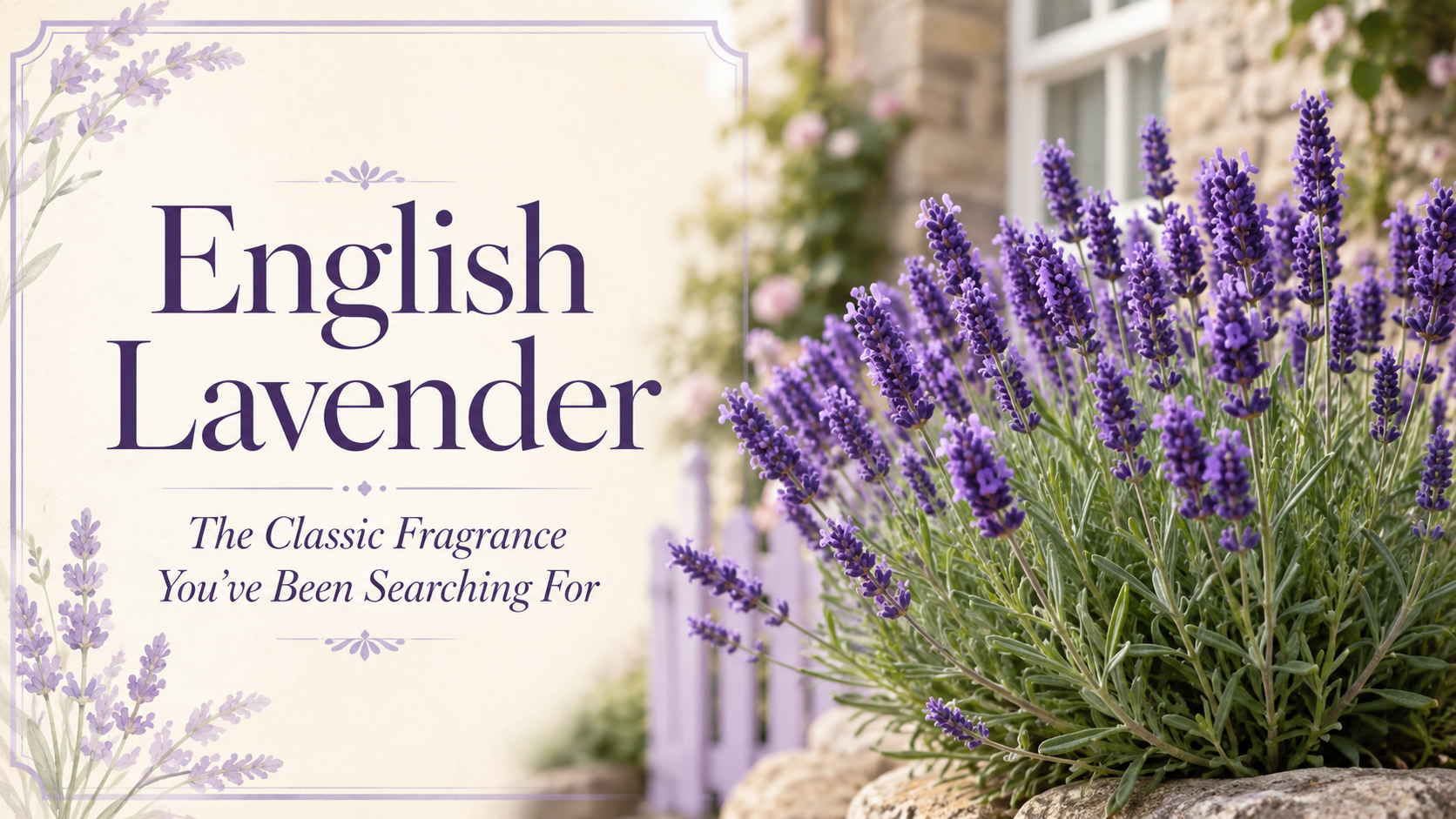
English Lavender (Lavandula angustifolia), also called True Lavender, is the species prized above all others for its intensely sweet, floral fragrance with subtle honey-like undertones. Despite its name, it actually originates from the Mediterranean — the ‘English’ label came about because it thrived so well in English cottage gardens for centuries.
Also Read this Content: Reblooming Daylilies — Best Varieties That Not All Daylilies Bloom All Season
It forms compact, tidy mounds reaching 30–60 cm tall, with narrow grey-green leaves and slender flower spikes in shades from pale lilac to deep violet. It’s the species used for premium essential oils, culinary lavender, and the dried bundles you find in artisan markets.
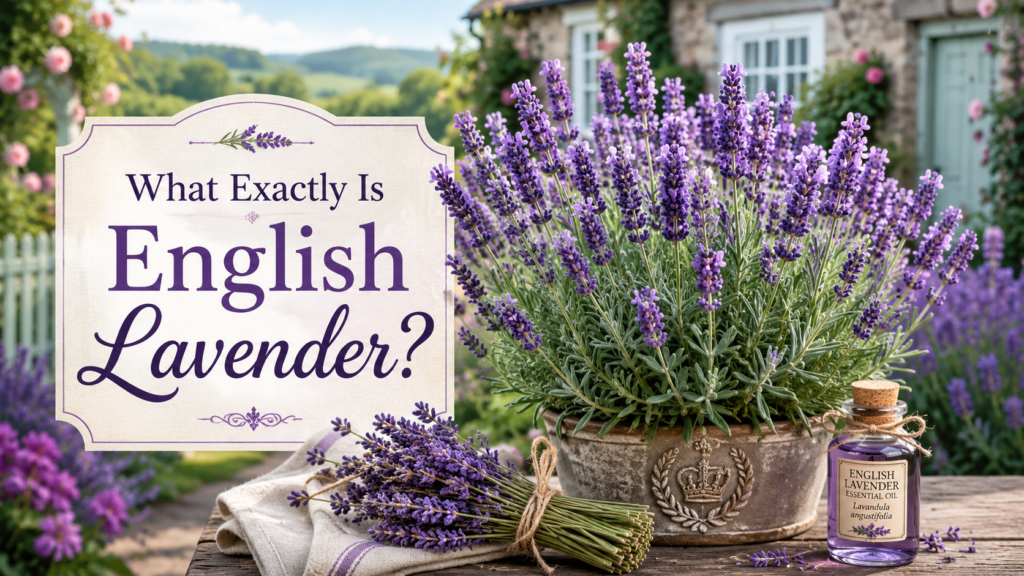
Key fact: If you want lavender for baking, sachets, or essential oils, English Lavender (Lavandula angustifolia) is almost always the correct choice. It has the sweetest, least camphor-like fragrance of all lavender species.
English vs. French vs. Spanish: Which Type Is Right for You?
The three main lavender types look quite different once you know what to look for. Here’s a side-by-side so you can identify them instantly at the nursery.
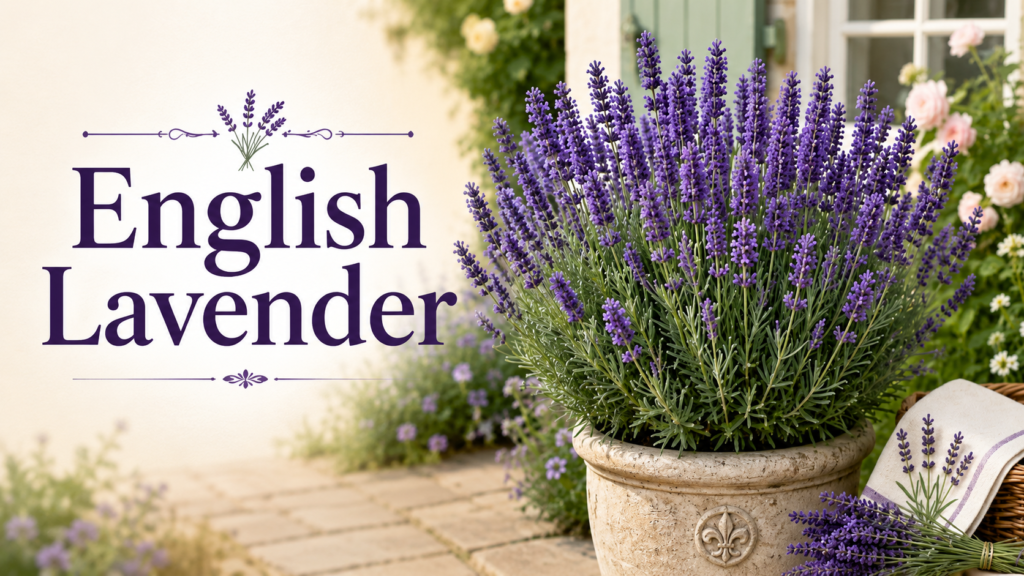
English Lavender
Lavandula angustifolia · Sweet, floral scent · Narrow grey-green leaves · Compact habit · Cold-hardy to Zone 5 Best for cooking and soil.
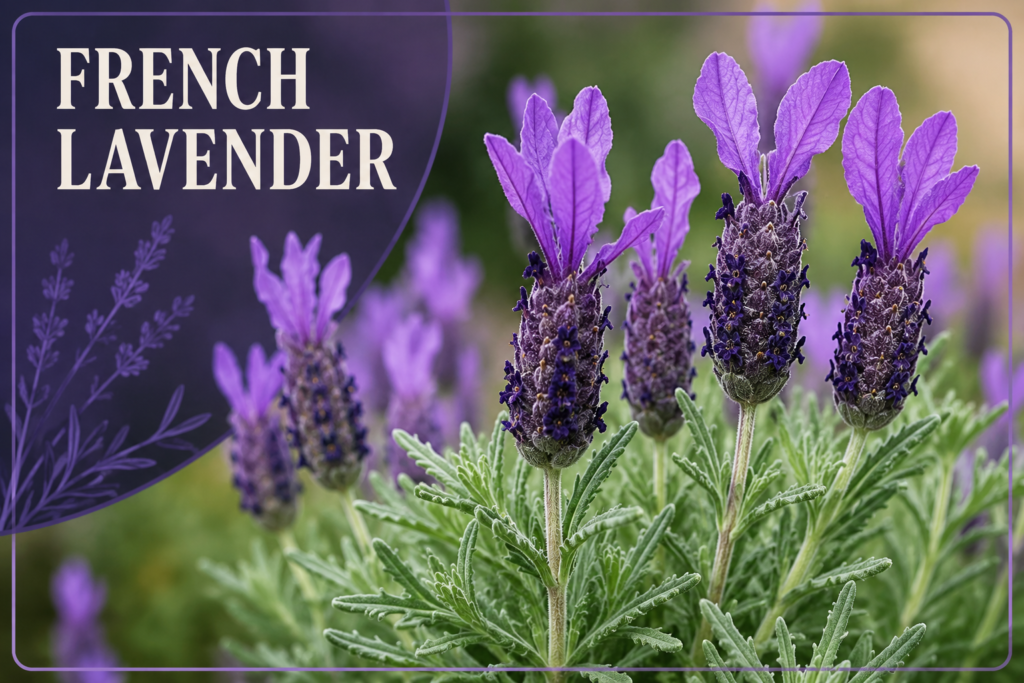
French Lavender
Lavandula dentata · Mildly camphor scent · Fringed, toothed leaves · Longer bloom season · Zones 8–11 · Best for ornamental hedging
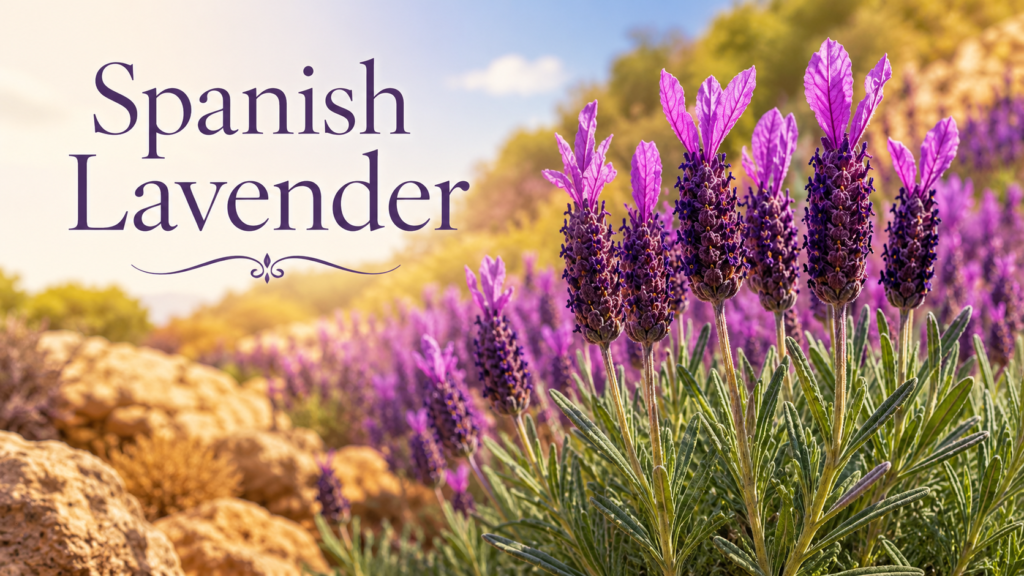
Spanish Lavender
Lavandula stoechas · Strong, pine-like scent · Distinctive ‘rabbit ear’ petals · Showy but short-lived · Zones 7–10 · Best for hot, dry landscapes
Best English Lavender Varieties (Even for Cold Climates)
Worried about harsh winters killing your lavender? These tried-and-tested English varieties are famous for their cold tolerance — they’ll survive down to Zone 5 with proper drainage.
| Munstead The beginner’s best friend. Compact (45 cm), early-blooming, and incredibly hardy. Named after Gertrude Jekyll’s famous Surrey garden. Perfect for borders, containers, and kitchen windowsills. |
| Hidcote Deep violet flowers on a dense, silver-leaved bush (40 cm). The darkest-flowering English lavender and a favourite for dried arrangements. Stunning as a low hedge along pathways. |
| Royal Velvet Elongated, velvety-purple spikes with an exceptionally high essential oil content. Slightly taller (60 cm) and a top pick if you plan to distil your own oil or make culinary extracts. |
Uses & Harvesting: Getting the Most from Your Plants
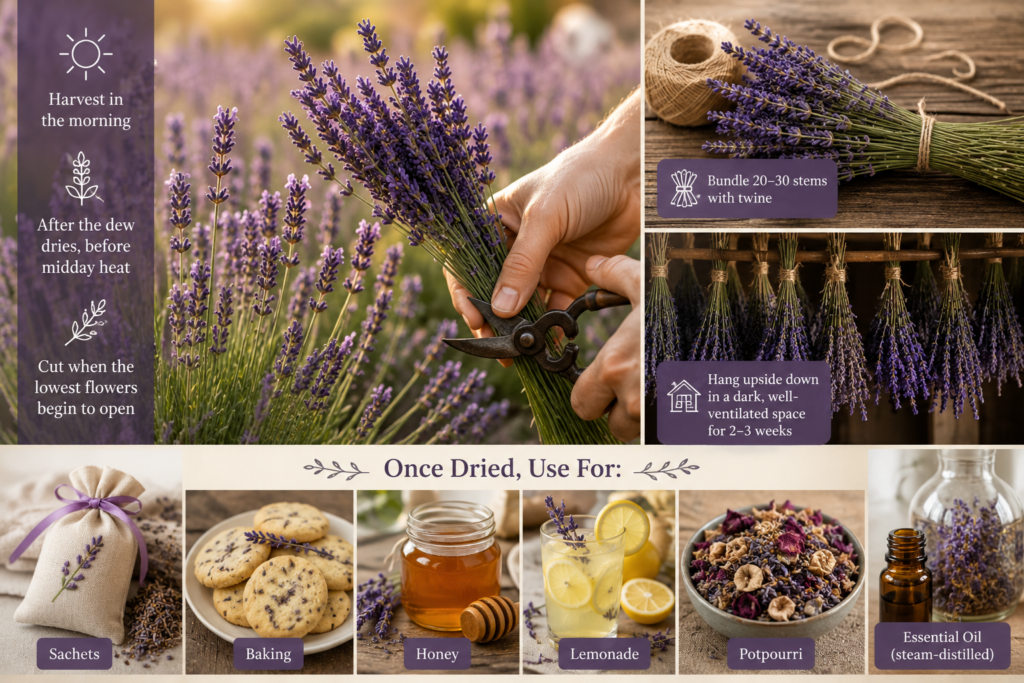
Harvest English Lavender in the morning after the dew dries but before the midday heat releases the volatile oils. Cut stems just as the lowest flowers on each spike begin to open — this is when oil concentration peaks.
Bundle 20–30 stems with twine and hang upside down in a dark, well-ventilated space for 2–3 weeks. The dried buds can be used for sachets, baking (lavender shortbread, honey, lemonade), potpourri, or steam-distilled into essential oil.
| Pro tip: English Lavender essential oil commands premium prices because of its low camphor content. If you’re growing for oil production, ‘Royal Velvet’ and ‘Melissa Lilac’ offer the highest yield per plant. |
Frequently Asked Questions
Is English Lavender actually from England?
No — it originates from the western Mediterranean (Spain, France, Italy). It earned the name ‘English’ because it naturalized so successfully in English gardens from the 16th century onward and became a staple of the English cottage garden tradition.
Can I eat English Lavender?
Yes! Lavandula angustifolia is the only species widely recommended for culinary use. Its low camphor content gives it a sweet, floral taste perfect for baking, infusing into honey, or making lavender lemonade. Always use organically grown, unsprayed buds.