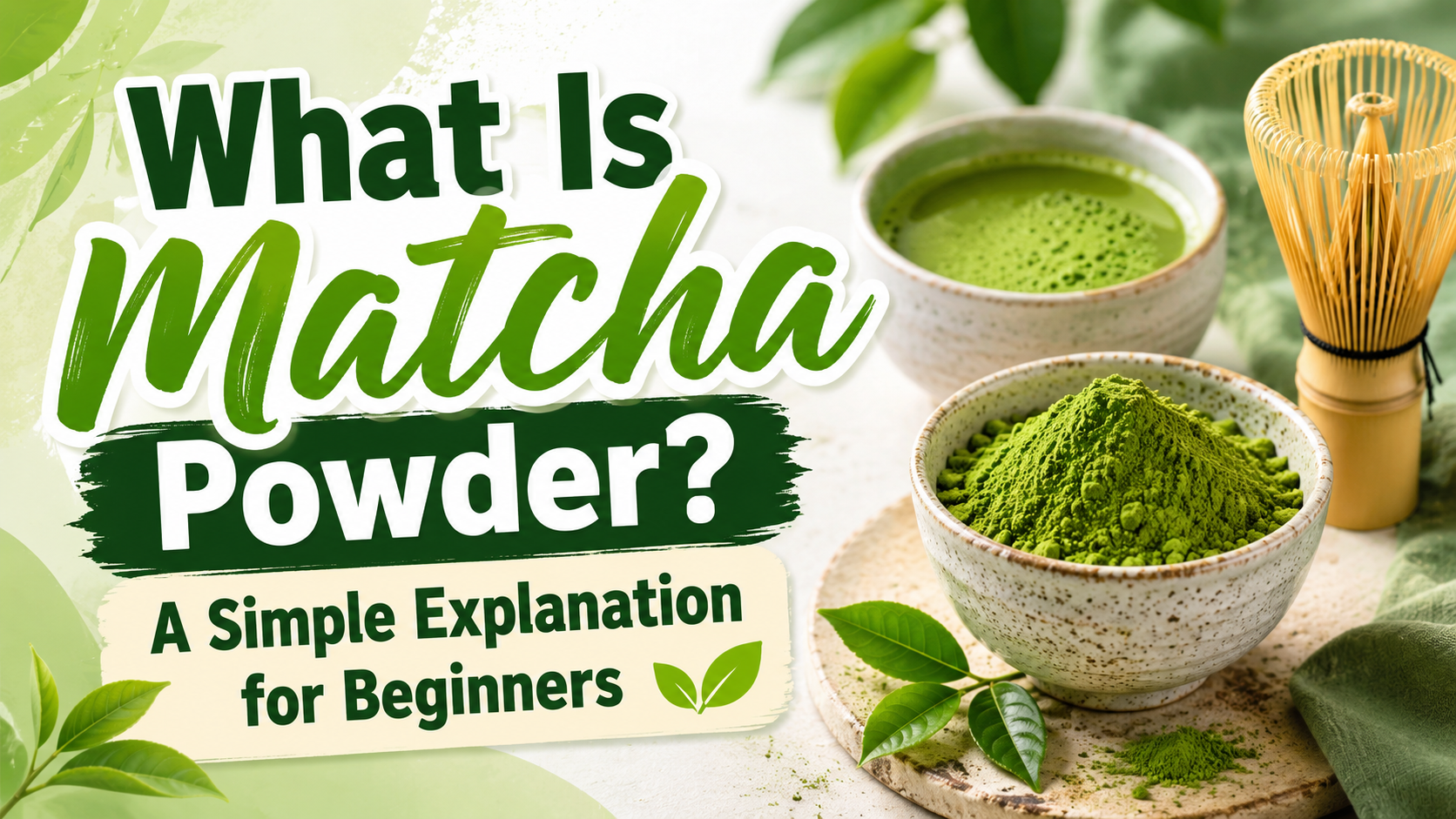

New to matcha? Learn what matcha powder is, what’s inside it, how it differs from regular green tea, what it tastes like, and how to use it — in plain, simple words.
The short answer: matcha powder is finely ground whole green tea leaves — a vibrant green powder you whisk straight into water or milk, so you actually drink the whole leaf instead of steeping and tossing it out.
If you’ve searched what is matcha, what is matcha made of, or what’s inside matcha, you’re in the right place. This beginner guide explains what matcha powder is, how it’s made, and how matcha tea differs from regular green tea. We’ll cover what matcha tastes like, how to use matcha tea powder in tea, lattes and recipes, whether matcha has caffeine, and how to choose a good matcha powder — all in simple, warm language, no tea expertise required.
What Is Matcha Powder?
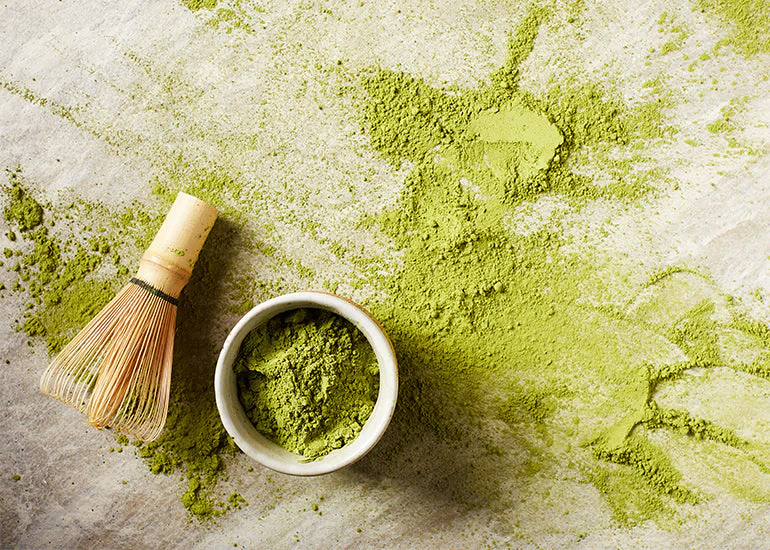
Matcha is a special type of green tea, but in powder form. Here’s the matcha meaning in a nutshell — and what makes this green powder different from a normal tea bag.
Ground Green Tea Leaves
Matcha is made of shade-grown green tea leaves that are dried and stone-ground into a fine powder. That’s the simple matcha definition — it’s green tea, just powdered.
Shade-Grown Leaves
The plants are shaded for weeks before harvest. This boosts the deep green colour and gives matcha its smooth, less bitter flavour.
You Drink the Whole Leaf
Unlike a tea bag you steep and remove, matcha powder dissolves into your cup — so you consume the entire leaf, not just an infusion.
Vivid Green Colour
Good matcha is bright, almost neon green. That vivid colour is a quick sign the powder is fresh and made from quality leaves.
How Is Matcha Powder Made?
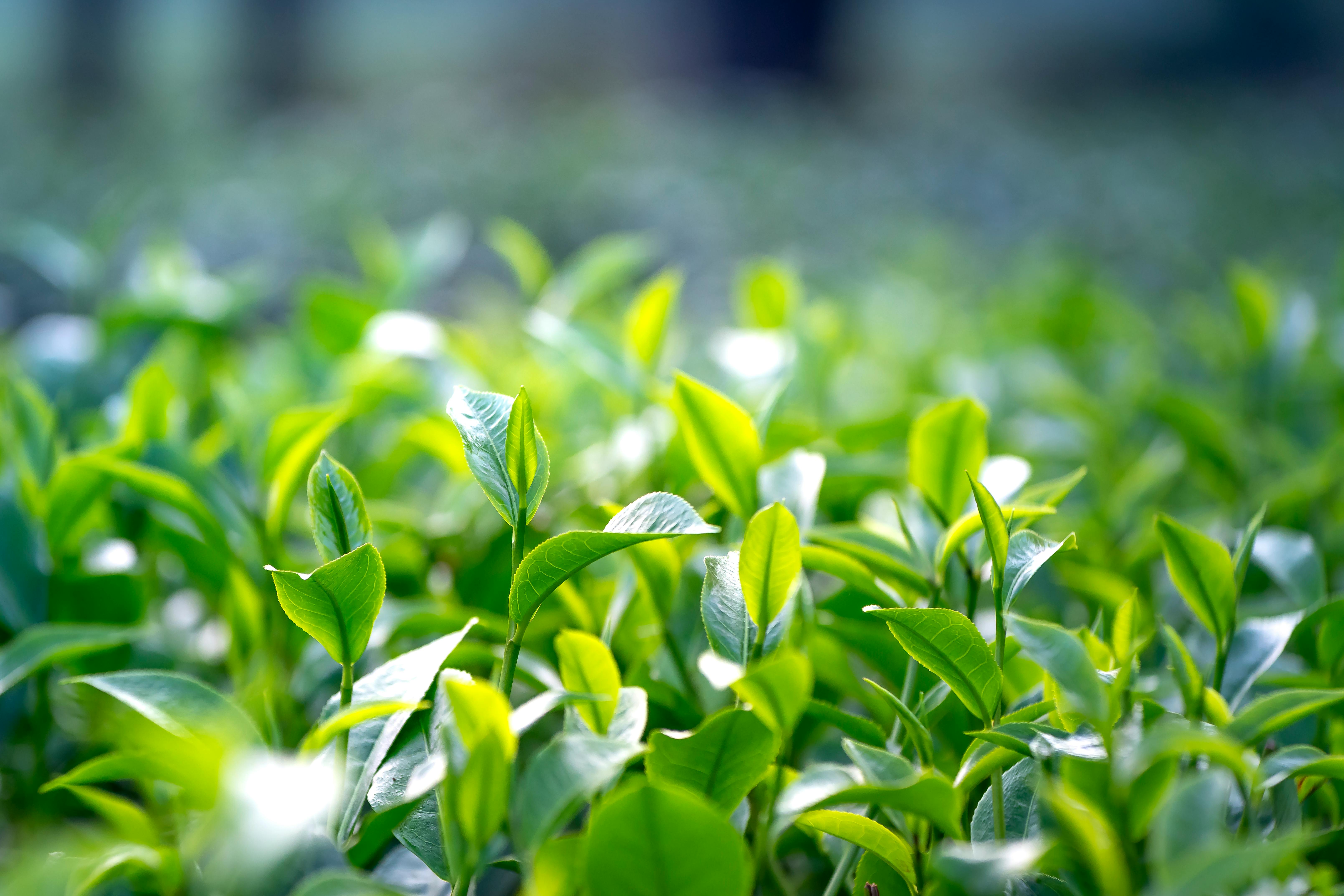
Wondering what matcha is made of? It starts as ordinary green tea plants, but with a few extra steps. For a few weeks before harvest, the plants are covered to grow in the shade. The youngest, tenderest leaves are then hand-picked, steamed to lock in their colour, dried, and the stems and veins are removed. Finally, the leaves are slowly stone-ground into the ultra-fine, silky green powder we call matcha. That careful process is exactly what’s inside matcha — pure, whole green tea leaf and nothing else.
Matcha Powder vs Regular Green Tea
Is matcha green tea? Yes — but not quite the same as the green tea in a bag. Here’s how matcha tea and regular green tea compare.
Matcha (Powdered)
Whole leaf ground into powder and whisked into water. You drink the entire leaf, so it’s richer, creamier and more concentrated in flavour and caffeine.
Regular Green Tea
Loose or bagged leaves steeped in hot water, then removed. You drink only the infusion, so it’s lighter and milder than matcha.
So, Are They the Same?
Both come from the same plant, so matcha is a form of green tea. But because you consume the whole powdered leaf, matcha is bolder, greener and more energising than a normal cup.
What Does Matcha Taste Like?
Smooth, earthy and a little sweet
Good matcha tastes fresh and grassy with a smooth, slightly creamy finish and a gentle natural sweetness — think of a rich green, vegetal flavour. Higher-quality matcha is smooth and rounded, while cheaper or older powder can taste more bitter. If you’re worried matcha will be too grassy, start with a matcha latte: the milk softens the flavour and makes it easy and delicious for beginners.
How Do You Use Matcha Tea Powder?
One of the best things about matcha tea powder is how flexible it is. You don’t need special skills — just a whisk or a jar and a minute of your time.
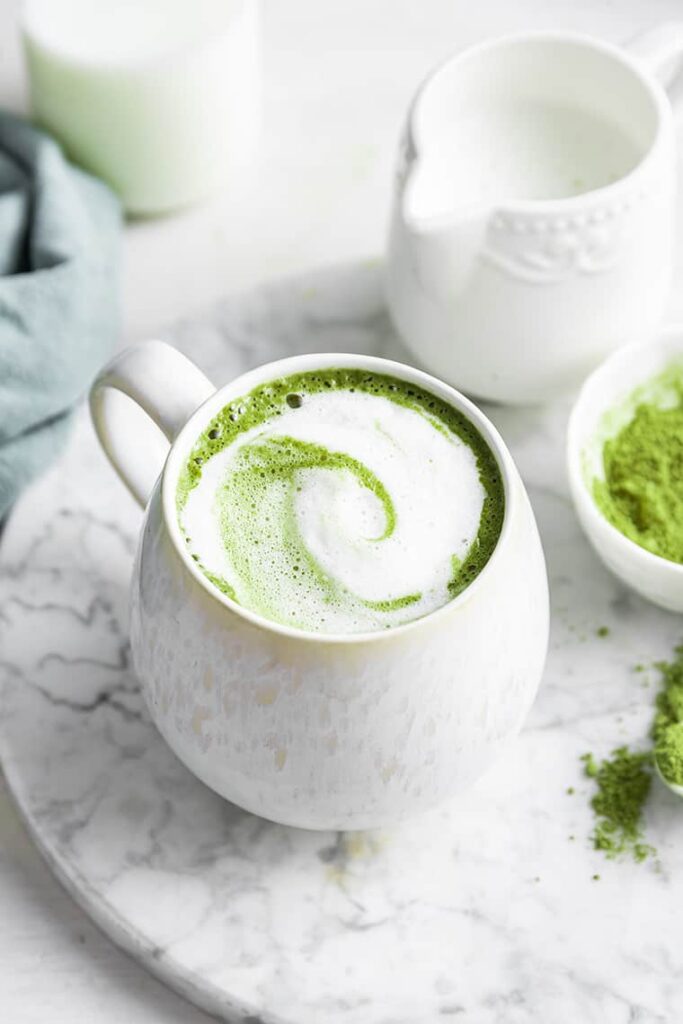
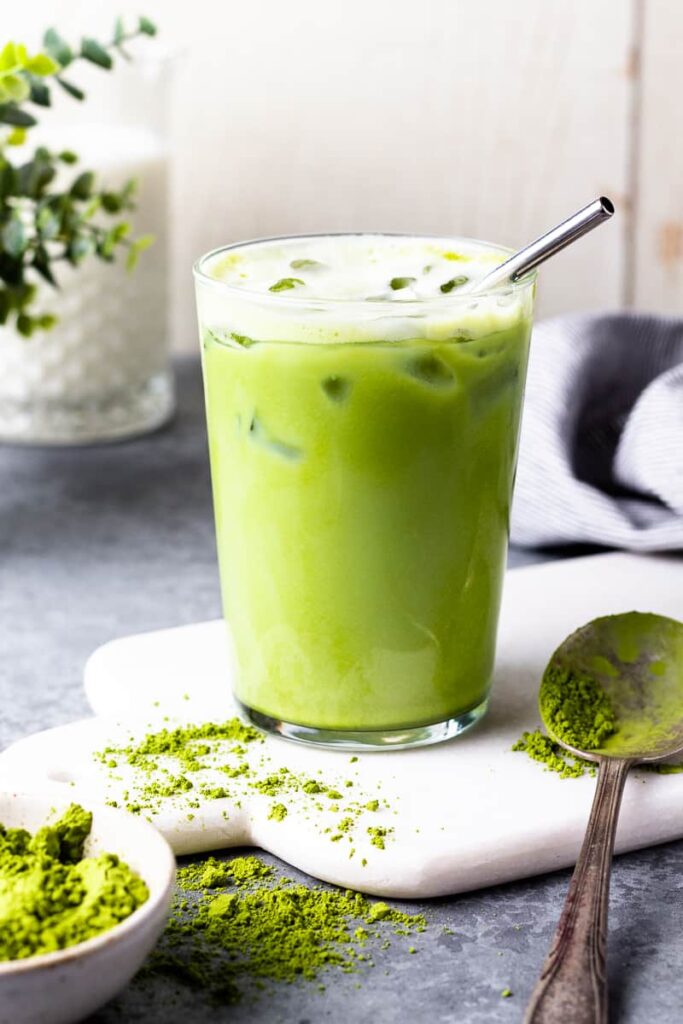
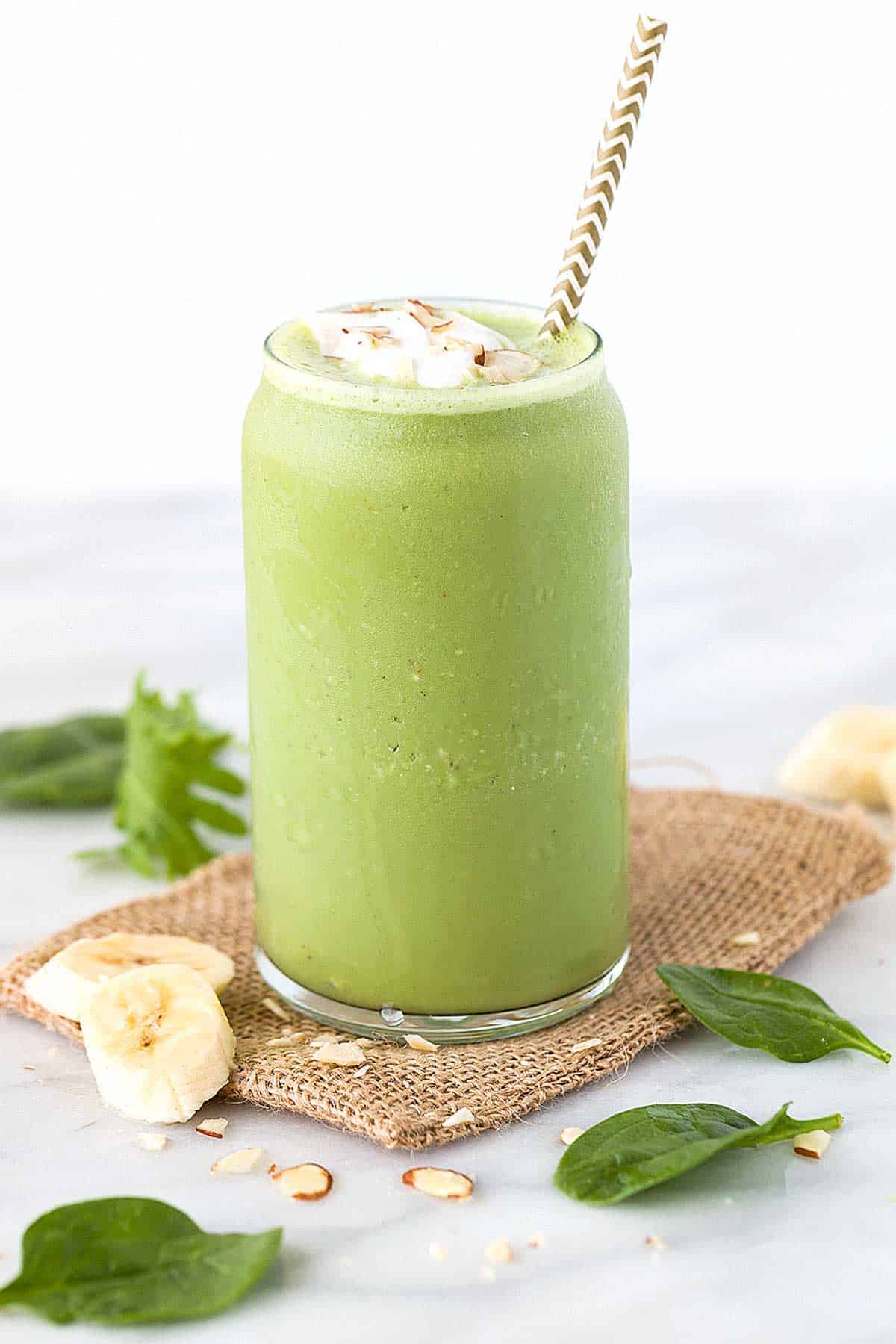
Simple Matcha Tea
Whisk about half a teaspoon of matcha with a little hot (not boiling) water until frothy. That’s traditional matcha tea — clean, warm and calming.
Matcha Latte
Mix matcha with a splash of water, then top with warm or iced milk. A matcha latte is the easiest café-style drink to make at home and a great coffee alternative.
Smoothies & Treats
Blend it into smoothies or stir it into yogurt, oatmeal, pancakes and desserts for a pop of green colour and a gentle energy boost.
Does Matcha Powder Have Caffeine?
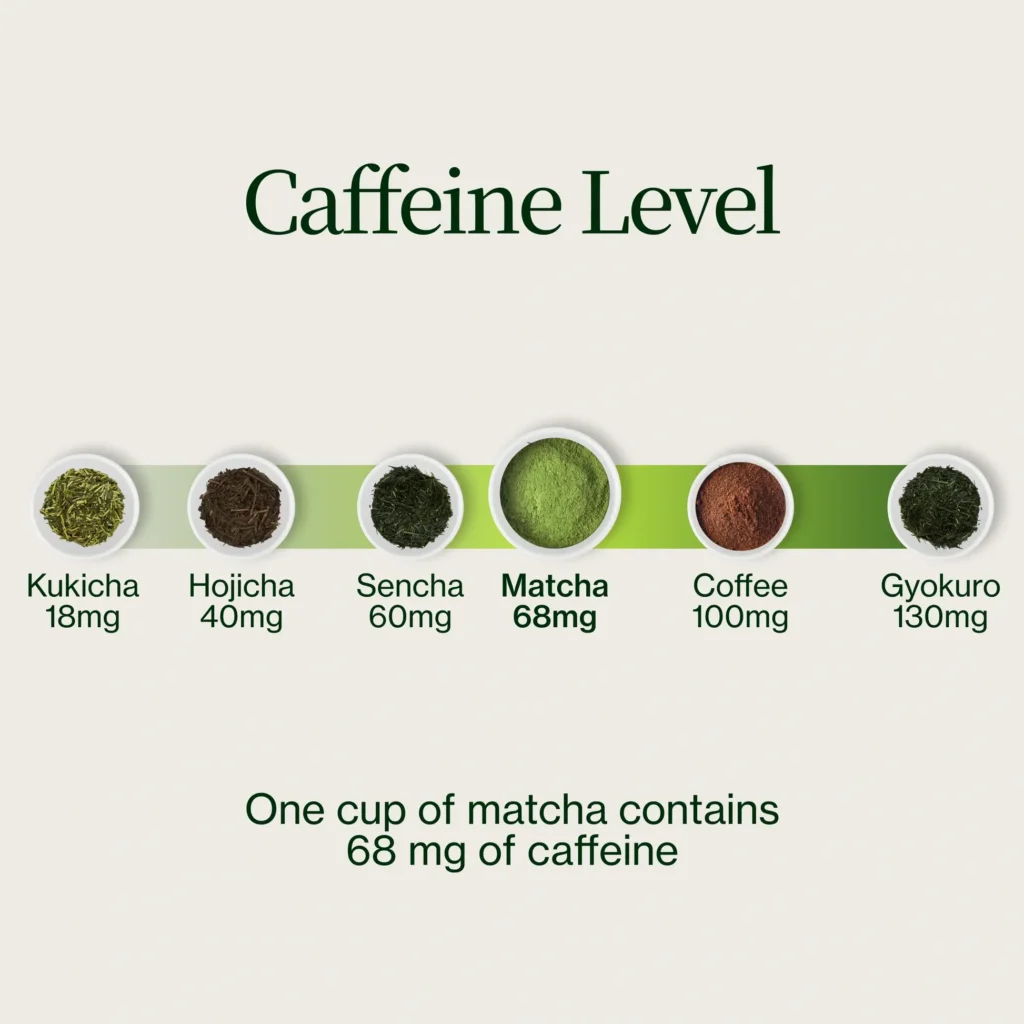
Yes — matcha does contain caffeine, usually a bit more than a cup of regular green tea but less than a strong coffee. Because you’re drinking the whole leaf, the caffeine comes paired with an amino acid called L-theanine, which many people say gives a calmer, steadier energy without the jittery crash of coffee. That smooth lift is a big reason beginners switch to matcha as their morning drink.
Is Matcha Powder Good for Beginners?
Absolutely. Matcha is beginner-friendly, easy to make at home, and a lovely, natural coffee alternative for calmer energy. Many people enjoy a cup daily, though — like any caffeinated drink — it’s sensible to start with one serving a day and see how you feel. Begin with a matcha latte to ease into the flavour, use a small amount at first, and choose a quality powder. If you’re sensitive to caffeine or pregnant, it’s always worth checking with a doctor. Otherwise, matcha is a simple, enjoyable way to try something new.
How to Choose Matcha Powder
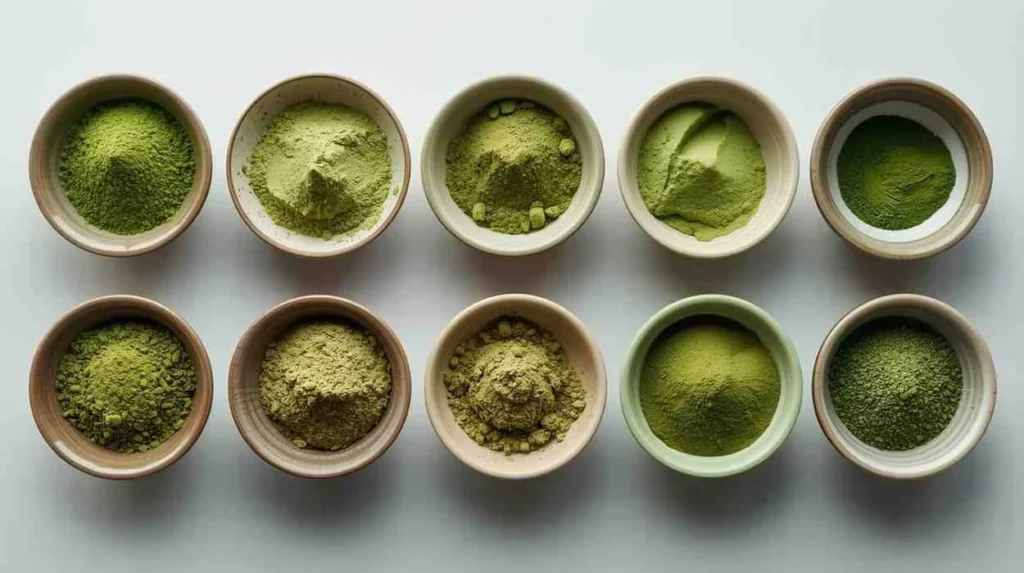
Not all matcha is equal, and a good starter powder makes all the difference. Use this quick checklist to pick a beginner-friendly matcha you’ll actually enjoy.
Look for a vivid green colour
Fresh, quality matcha is bright, almost neon green. Dull, yellowish or brown powder is usually older or lower grade.
Choose the right grade
Ceremonial grade is smoothest for drinking straight; culinary grade is fine and more affordable for lattes, smoothies and baking.
Check the origin
Matcha from Japan (regions like Uji or Kagoshima) is widely trusted. Look for a single ingredient: 100% green tea.
Buy small and fresh
Matcha fades over time, so start with a small resealable tin, store it cool and dark, and use it within a few weeks of opening.
FAQs About Matcha Powder
What is matcha powder, simply put?
Matcha powder is finely ground, shade-grown green tea leaves. Instead of steeping and removing the leaf, you whisk the powder into water or milk and drink the whole leaf.
Is matcha the same as green tea?
Matcha is a type of green tea — both come from the same plant. The difference is that matcha is a powder of the whole leaf, so it’s richer and more concentrated than regular steeped green tea.
What is matcha made of?
Just one thing: green tea leaves. The best leaves are shaded, steamed, dried and stone-ground into powder. There’s nothing else inside pure matcha.
Does matcha taste bitter?
Good matcha is smooth, grassy and slightly sweet — not harshly bitter. Bitterness usually comes from low-quality or old powder, or water that’s too hot. A matcha latte is a gentle way to start.
Can I drink matcha instead of coffee?
Yes — many people use matcha as a coffee alternative. It has caffeine plus L-theanine, which tends to give calmer, more even energy without the coffee crash.
Can beginners drink matcha every day?
For most people, one cup a day is a fine place to start. Listen to your body, and if you’re caffeine-sensitive or pregnant, check with a doctor first.
Ready to Try Matcha?
Now you know what matcha powder is, what’s inside it, and how it differs from regular green tea. The easiest first step is a simple matcha latte at home — grab a beginner-friendly powder and give it a whisk.
🍵 Start with a simple matcha latte🌿 Pick a bright green beginner matcha
About This Guide
We’re a small team of tea lovers helping beginners understand and enjoy matcha with zero jargon. This article is for general information only and isn’t medical advice — if you have health concerns, check with a professional.