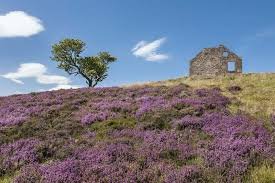

1. What are Heather Flowers? Definitions & Botanical Distinctions
Heather is the common name for a group of low‐growing, evergreen woody shrubs in the Ericaceae family. Botanically, “heather” often refers especially to Calluna vulgaris, but more broadly includes genera Erica and Daboecie
- Calluna (“Scotch heather”) is the only species in its genus.
- Erica includes many species, some winter-flowering, some summer-flowering.
- Daboecia (Irish heath) gives larger flowers and tolerates partial shade.
These genera differ in leaf shapes, bloom times, tolerance to temperature and soil conditions, and overall habit.
2. Genera & Varieties: Calluna vs Erica vs Daboecia
| Genus | Bloom Time | Flower Shape & Size | Leaf / Foliage | Best Conditions / Key Traits |
|---|---|---|---|---|
| Calluna vulgaris | Summer to Autumn (often July-Sept) | Small, compact flowers, often in dense spikes | Tiny scale-like leaves; evergreen | Prefers acidic soil, full sun or light shade; hardy; many cultivars for colour variation. |
| Erica | Varies: some bloom winter (Erica carnea, E. × darleyensis), others summer (Erica cinerea) | Bell or urn-shaped; often extended blooming periods | Needled or whorled leaves; texture varies | Some tolerate neutral soil; many hardy; good for year-round colour if mixed species. |
| Daboecia | Spring through fall, often long flowering period | Larger, showier flowers; robust florets | Thicker foliage, lush green | Accepts partial shade; good for borders; more forgiving in milder climates. |
Highlighted Varieties:
- Erica × darleyensis – winter-flowering hybrid; many cultivars; good groundcover.
- Erica cinerea – bell heather; lovely purple / white blooms; great for nectar sources.
- Calluna cultivars with striking foliage colours in winter (yellow, red, bronze). RHS+1
3. Ideal Growing Conditions
Soil & pH
- Most heathers thrive in acidic soil (pH ~4.5-6.5). Alkaline or lime-rich soil can lead to chlorosis (yellowing of leaves) and weak growth
- Good drainage is essential. Waterlogging causes root rot. Adding sand, organic matter (leaf mould, pine needles), and using ericaceous compost helps.
Light & Climate
- Prefer full sun for best flowering and compact growth; light shade is tolerated, but blooms will be sparser
- Climate: cold-hardy in temperate regions; many Erica variants can bloom in winter. Hot, humid regions may require afternoon shade or shelter. Urban heat and strong sun may stress foliage.
Watering & Drainage
- After planting, regular watering until established; thereafter moderate water, avoid drought extremes. Heathers become somewhat drought-tolerant but not completely neglect tolerant.
- In containers, moisture must be monitored more carefully. Soil should never be soggy.
4. Planting & Propagation Methods
When & Where to Plant
- Spring or autumn are best for planting. Avoid planting in full winter freeze or extreme heat.
- Choose sites with proper sun exposure, good drainage, slightly raised beds if necessary.
Propagation: Seed, Cuttings, Layering
- Seed: Good for obtaining many plants / hybrids; sow in acidic, well-draining seed mix; germination can be slow; not all seedlings true to variety.
- Cuttings: Soft wood cuttings in late spring or summer; semi-ripe wood works well. Helps preserve cultivar traits.
- Layering: Bending low branches, burying tip in soil; common in Erica varieties; slower but reliable.
5. Care Throughout the Seasons
Spring Growth
- After winter, remove winter damage; check for dead wood; light pruning to shape.
- Apply mulch (acidic organic mulch) to retain moisture and suppress weeds.
Summer Bloom & Maintenance
- Deadhead (trim spent flower spikes) for Calluna; some Erica types may self-clean.
- Avoid overwatering; ensure good airflow to prevent disease.
Autumn Preparations
- As flowering tails off, reduce water slightly; protect root zones.
- Prune lightly after flowering to maintain shape.
Winter Care & Protection
- In colder zones, protect from frost, snow load; mulch bases.
- Shelter container plants or move to protected areas.
6. Common Problems and How to Troubleshoot
- Root Rot: Caused by poor drainage; fix by replanting in raised beds / pots with better drainage.
- Powdery Mildew / Fungal Diseases: Caused by high humidity, poor air circulation. Use proper spacing, prune, avoid overhead watering.
- Poor Flowering: Likely due to too much shade, overfertilizing with high nitrogen, or pruning at wrong time.
- Leaf Discoloration (yellowing): Usually due to pH imbalance, alkaline soil, or iron deficiency. Adjust soil, use ericaceous fertilizer.
7. Uses Beyond the Garden
Floral Arrangements & Pieces
- Heather flowers make excellent fillers in bouquets; color tones (white, purple, pink) combine well.
- Use branched stems for texture; dry well if hung upside down.
Symbolism, Folklore & Cultural Uses
- In Scotland, white heather is considered lucky; heather features heavily in folklore, myth, place names
- Colors:
- White heather → good luck, protection.
- Purple → admiration, solitude.
- Pink shades → love, gentle affection.
Medicinal & Herbal Uses (with Caution)
- Traditional uses include herbal teas for urinary tract issues, mild diuretic properties.
- However, scientific validation is limited; possible contraindications. Always consult a healthcare professional.
8. Varieties to Try: Best Picks for Different Climates & Uses
- Cold, winter climates: Erica × darleyensis, Erica carnea (winter bloomers).
- Hot, arid/sunny climates: Drought-tolerant Erica species; heavy mulch; morning sun with afternoon shade.
- Containers & small spaces: Compact cultivars of Calluna, smaller Erica; dwarf varieties.
- Full bloom in garden borders: Mix Calluna and Erica to get staggered flowering seasons.
Here are some standout cultivars:
- Erica cinerea ‘Velvet Night’ – deep purple, compact habit.
- Erica × darleyensis ‘Kramers Rote’ – white-pink blooms, winter to spring.
- Calluna vulgaris ‘Firefly’, ‘Winter Chocolate’, etc. good for zones 5-7.
9. Designing with Heather: Landscape & Container Ideas
- Use mass plantings in beds for dramatic colour sweeps. Contrast foliage colours to generate year-round texture.
- Mix heathers with other acid-loving plants: azaleas, rhododendrons, conifers.
- Containers: choose ericaceous compost, ensure drainage holes, place in protected but sunlit areas.