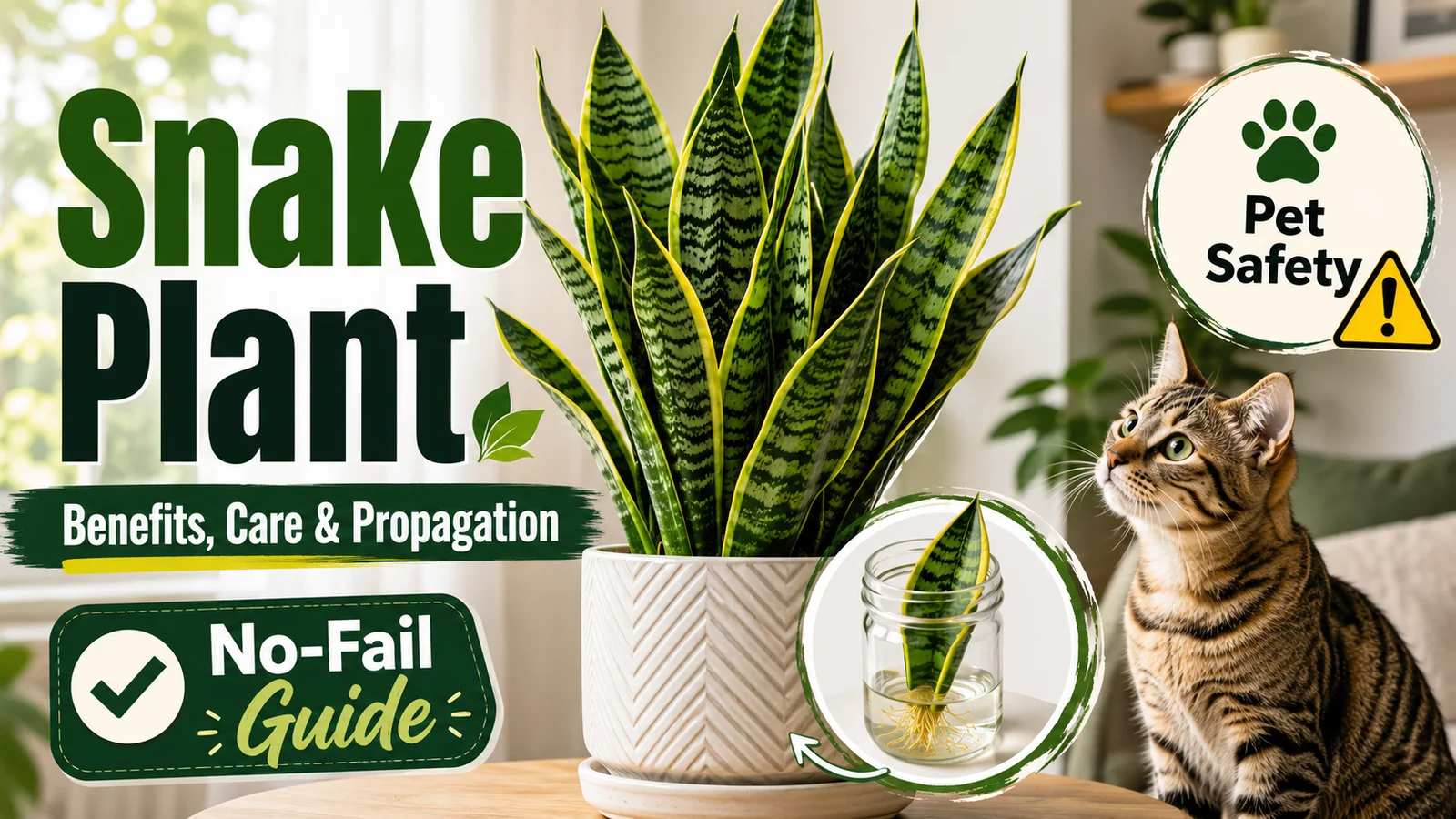

Everything a busy plant parent needs — from air-purifying science to keeping your cat safe.
10 Benefits of Owning a Snake Plant
- Purifies indoor air by removing toxins like formaldehyde and benzene
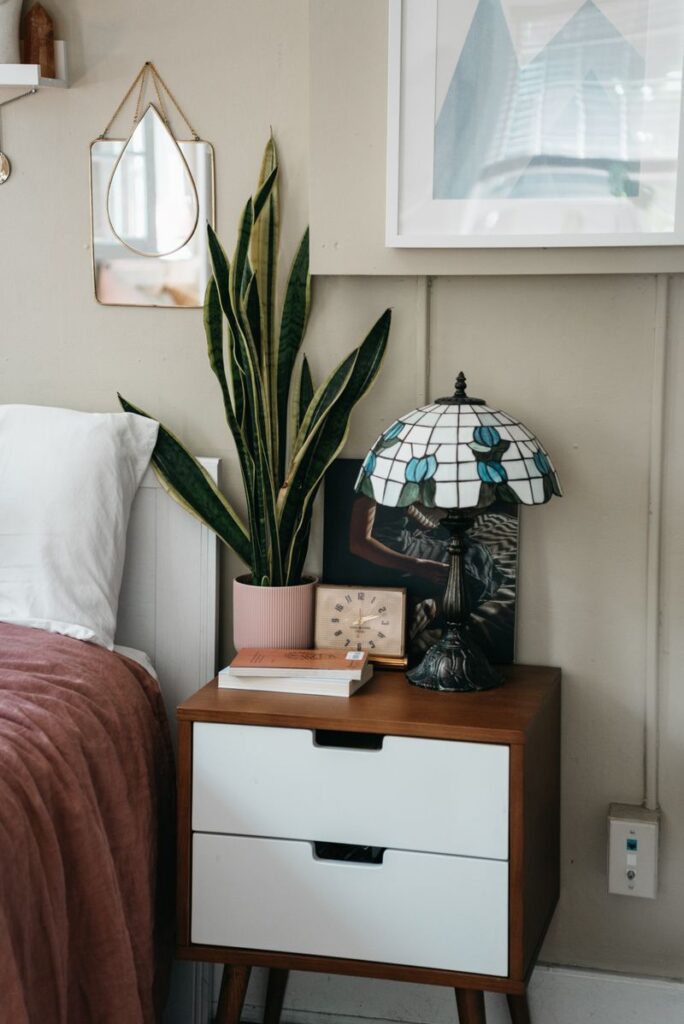
- Releases oxygen at night — ideal bedroom companion
- Thrives on neglect — perfect for beginners and busy schedules
- Tolerates low light, bright indirect, and everything in between
- Boosts humidity slightly, helping with dry skin and allergies
- Reduces stress and improves mental well-being (NASA-backed research)
- Absorbs CO₂ efficiently even in closed rooms
- Virtually pest-free — no fungus gnats drama
- Striking architectural look elevates any décor style
- Easy to propagate — one plant becomes many, for free
Pet Safety: Are Snake Plants Toxic to Cats & Dogs?
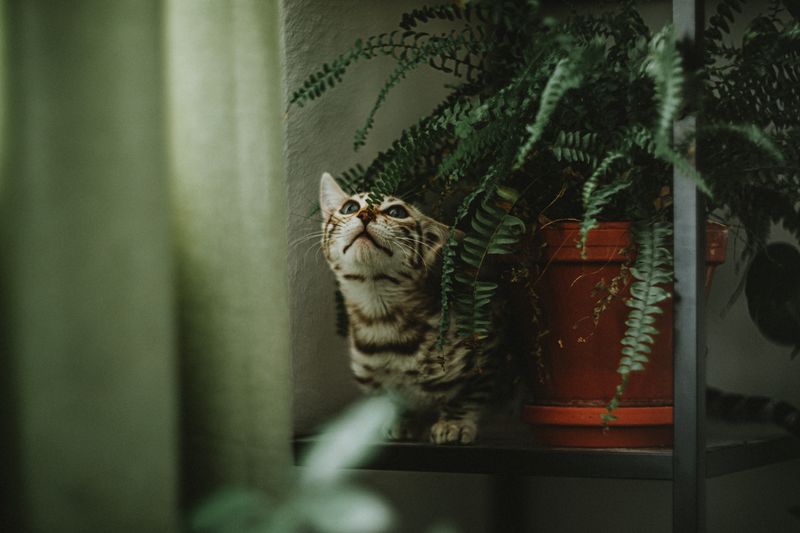
Yes — snake plants are mildly toxic to cats and dogs if ingested. They contain saponins that can cause nausea, vomiting, and diarrhea. The good news: they’re rarely fatal, and the bitter taste usually deters repeat nibbling.
How to keep pets safe:
- Place the plant on a high shelf or hanging planter out of reach
- Use a bitter-apple spray on leaves as a deterrent
- Offer cat grass as a safe alternative for curious chewers
The Dummy-Proof Care Guide
| Factor | What Your Snake Plant Needs |
|---|---|
| ☀️ Light | Indirect bright light is best, but tolerates low light and even fluorescent office lighting |
| 💧 Water | Every 2–3 weeks in summer, once a month in winter. Let soil dry completely between waterings — when in doubt, don’t water. |
| 🌱 Soil | Well-draining cactus/succulent mix, or regular potting soil mixed 1:1 with perlite |
| 🌡️ Temperature | 15–29°C (60–85°F). Keep away from cold drafts and frost. |
| 🧪 Fertilizer | Once in spring and once in summer with a balanced liquid fertilizer diluted to half strength |
How to Propagate Your Snake Plant (Free Plants!)
Once your first plant is thriving, multiply your collection with these simple steps:
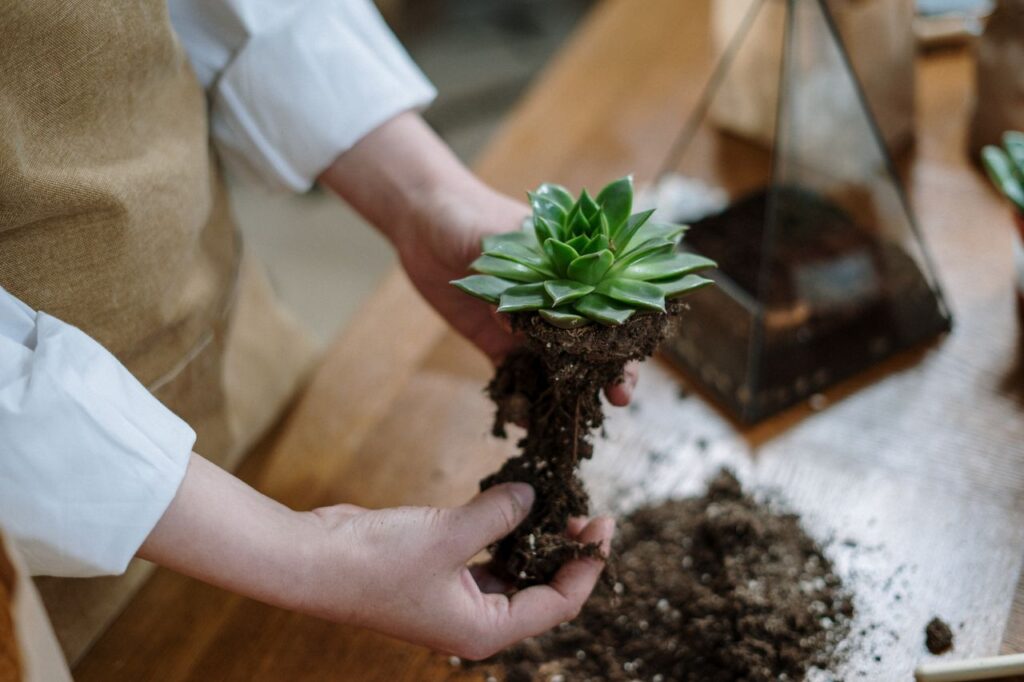
- Cut a healthy leaf near the base with a clean, sharp knife
- Let the cutting callous over for 24–48 hours in open air
- Place the cut end in a jar of water (change weekly) or directly into moist cactus mix
- Keep in bright indirect light — roots appear in 3–6 weeks
- Once roots are 2+ inches long, pot in well-draining soil and care as normal
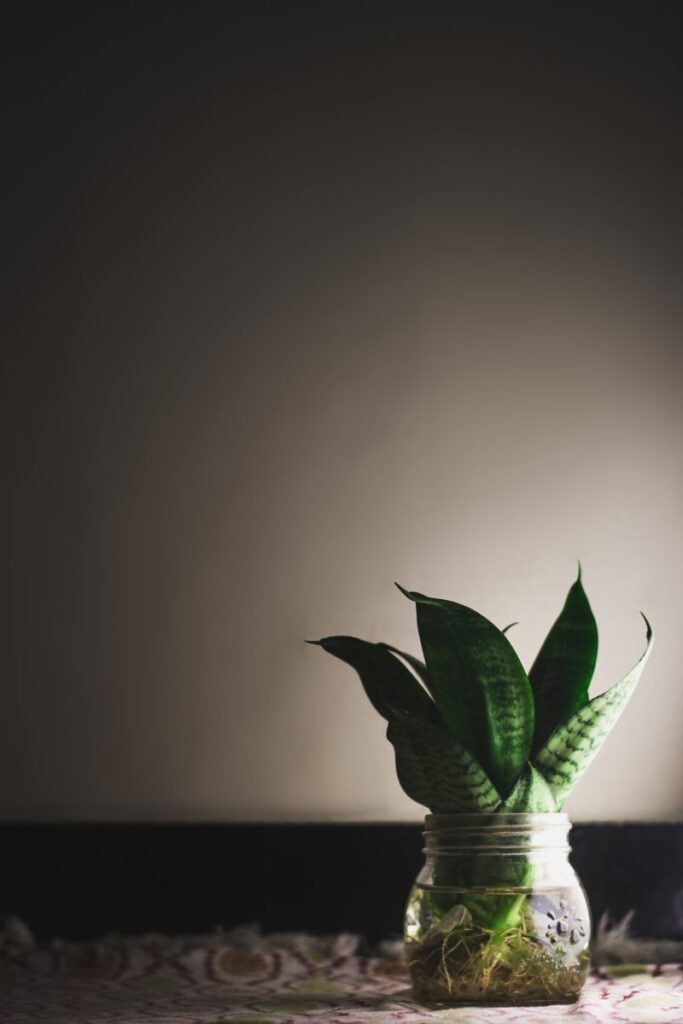
Myth Busted: Does a “Snake Plant” Repel Snakes?
No. The name comes from the plant’s snake-like leaf pattern, not any reptile-repelling properties. If you’re looking for plants that genuinely deter snakes, consider marigolds, lemongrass, or mother-in-law’s tongue varieties planted outdoors — though scientific evidence remains limited.