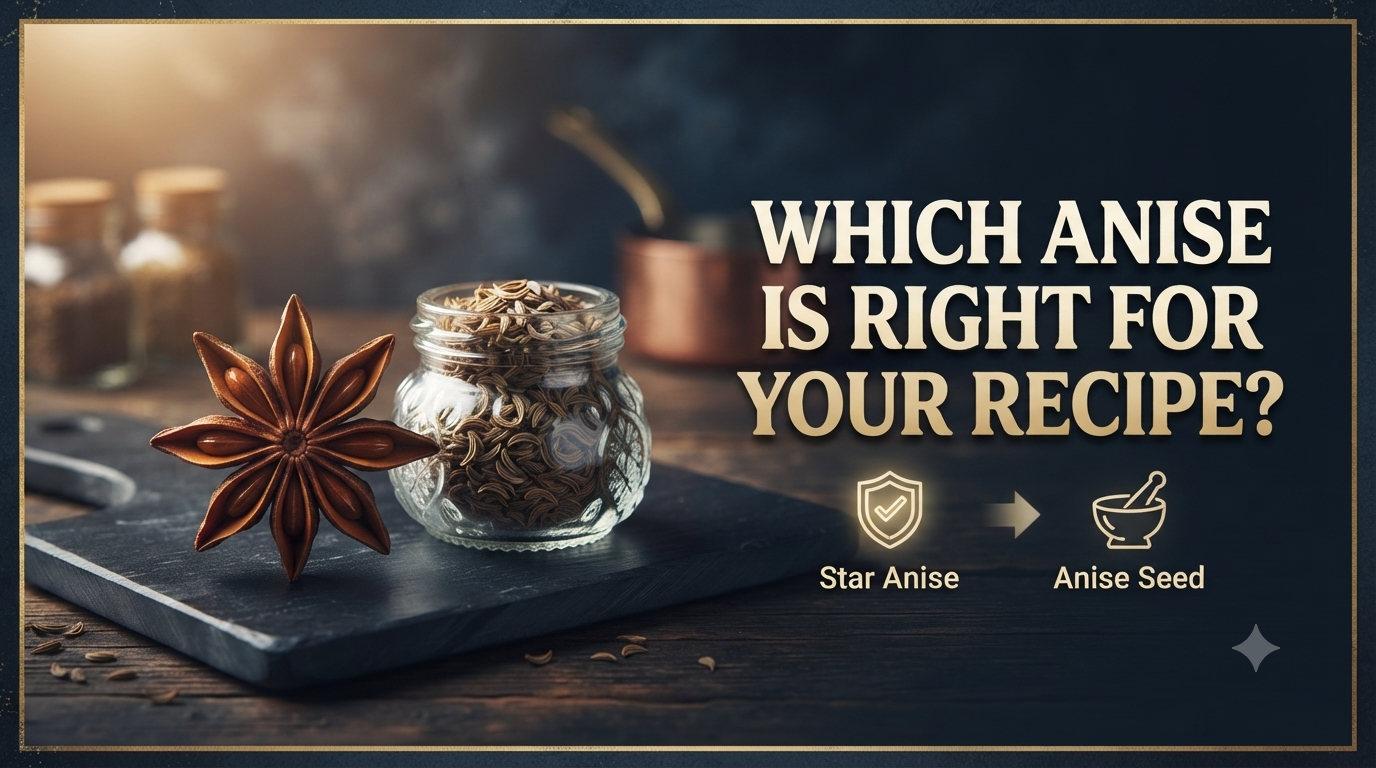

A complete guide to anise seed, star anise, and anis — understand the differences, choose the right spice, and never buy the wrong ingredient again.
⭐ Quick Answer: Which Anise Should You Use?
Use anise seed for European baking, biscotti, and liqueurs. Use star anise for Asian soups, broths, and spice blends like Chinese five-spice. Both contain anethole and share a licorice-like flavor, but they come from completely different plants. The term “anis” is simply the European spelling of anise — it’s the same spice.
What Is Anise?
Anise (Pimpinella anisum) is a flowering plant in the parsley family (Apiaceae), native to the eastern Mediterranean and Southwest Asia. The small, ridged seeds — technically fruits — have been used for thousands of years in cooking, baking, and traditional remedies. Ancient Egyptians, Greeks, and Romans all prized anise for its distinctive sweet, licorice-like aroma.
The characteristic flavor of anise comes from anethole, an aromatic compound that makes up 80–90% of anise essential oil. This same compound is found in star anise and fennel, which explains why these unrelated plants taste so similar. When a recipe calls for “anise” without further specification, it typically means anise seed — the small, pale brown seeds sold in the spice aisle.
Is Anis the Same as Anise?
Yes — “anis” is simply the French, Spanish, and German spelling of anise. They refer to the exact same plant (Pimpinella anisum) and the exact same spice. If you see “anis” on a European spice jar, in a French pastry recipe, or on a bottle of anisette liqueur, you’re looking at regular anise seed.
Common variations include: anis vert (French for green anise, referring to the fresh plant), anís (Spanish), and Anis (German). In all cases, you can use standard anise seed from your grocery store’s spice section. Don’t confuse “anis” with “anis étoilé” (French for star anise) — that’s a different spice entirely.
Anise Seed vs. Star Anise: Key Differences
Anise seeds — small, ridged, pale brown
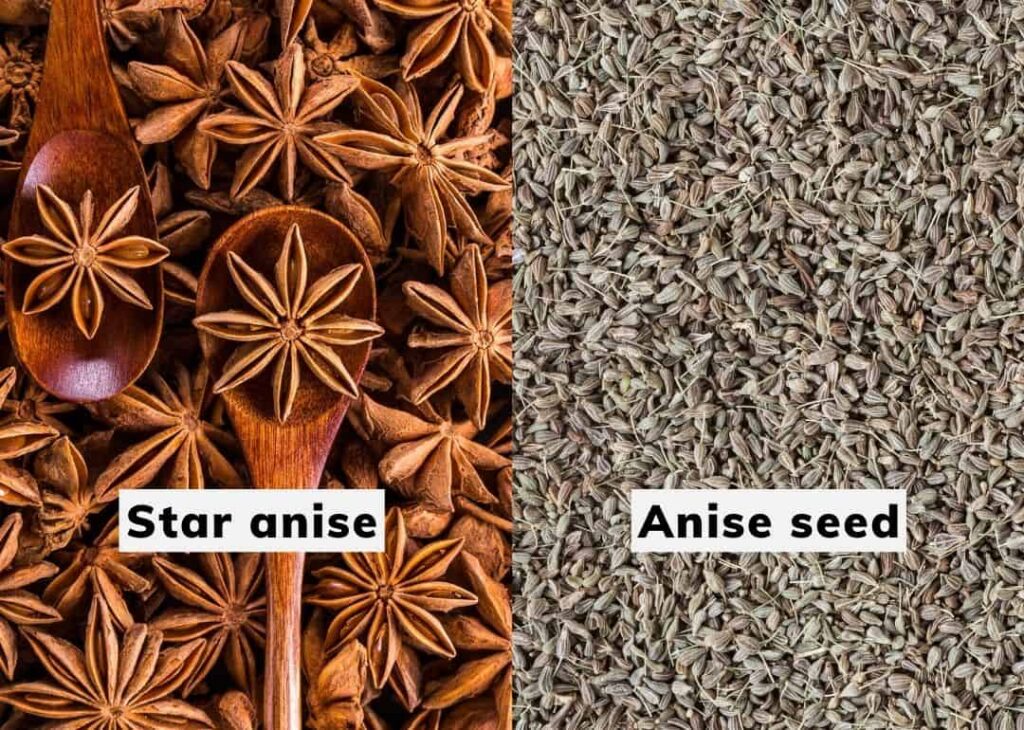
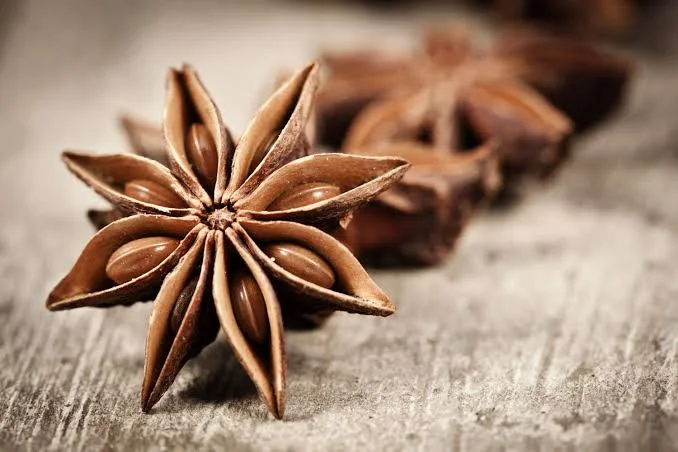
Star anise — distinctive star-shaped pods
| Feature | Anise Seed | Star Anise |
|---|---|---|
| Botanical Name | Pimpinella anisum | Illicium verum |
| Plant Family | Apiaceae (parsley family) | Schisandraceae |
| Origin | Eastern Mediterranean | Southern China, Vietnam |
| Appearance | Small, ridged seeds | Star-shaped pods |
| Key Compound | Anethole (80–90%) | Anethole (85–95%) |
| Primary Cuisine | European, Middle Eastern | Chinese, Vietnamese, Indian |
Despite sharing the compound anethole and a similar licorice flavor, anise seed and star anise are botanically unrelated. Anise seed comes from a small annual herb related to parsley, while star anise is the dried fruit of an evergreen tree native to southern China. They were used independently for centuries on different continents before global trade connected them.
Flavor Profile and Aroma Comparison
Anise seed has a sweet, delicate licorice flavor with subtle herbal and slightly peppery notes. It’s lighter and more nuanced — ideal for baked goods where you want a gentle warmth without overwhelming other flavors. Ground anise seed releases its aroma quickly but fades faster during long cooking.
Star anise delivers a bolder, more pungent licorice flavor with deeper woody and slightly bitter undertones. Its flavor is more robust and holds up well during long braising and simmering. A single star anise pod can flavor an entire pot of soup or broth. It’s more intense than anise seed — use it sparingly until you know your preference.
Which Anise Is Best for Different Recipes?
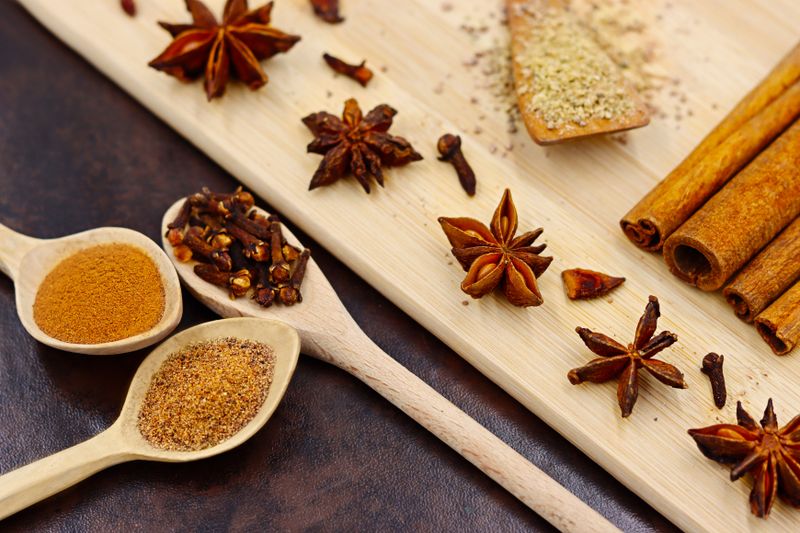
Use anise seed for: Italian biscotti, German springerle cookies, Greek ouzo-flavored dishes, Scandinavian rye bread, French anisette desserts, Middle Eastern ka’ak bread, pizzelle cookies, and any European baking recipe calling for “anise” or “anis.” It’s also the traditional choice for anise tea and digestive cordials.
Use star anise for: Chinese five-spice powder, Vietnamese pho broth, Indian biryani and garam masala, braised meats (Chinese red-braised pork belly), mulled wine, chai tea blends, and any recipe from East or Southeast Asian cuisine. Star anise is typically added whole and removed before serving.
Use fennel seed when: A recipe calls for a milder, slightly sweeter licorice note — common in Italian sausage, Indian panch phoron, and roasted vegetables. Fennel is not anise, but it’s a common pantry substitute when you need something in the same flavor family.
Can You Substitute One for the Other?
In a pinch, yes — but with caveats. To substitute star anise for anise seed: use ½ teaspoon ground star anise for every 1 teaspoon anise seed. Star anise is stronger, so start with less and taste. To substitute anise seed for star anise: use 1 teaspoon anise seed (or ½ teaspoon ground) for 1 whole star anise pod. The flavor will be lighter and less complex.
Important: substitutions work best in cooked dishes where many flavors meld together. In delicate baking (like springerle or biscotti), the different nuances will be more noticeable. Fennel seed can also work as an emergency substitute for either — use equal amounts, and expect a slightly sweeter, grassier result.
Nutritional Overview and Culinary Benefits
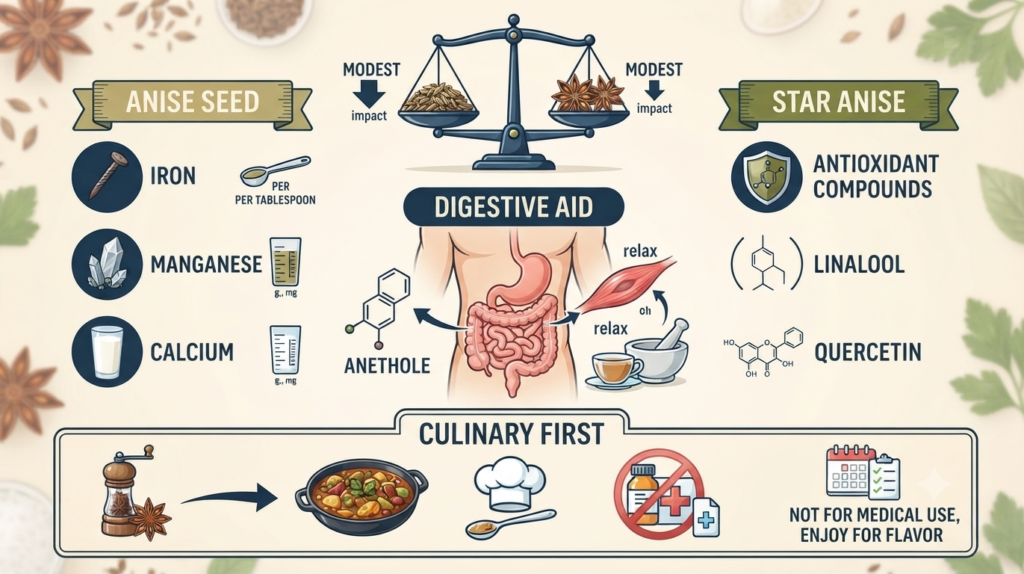
Both anise seed and star anise are used in small quantities, so their direct nutritional impact is modest. However, anise seed provides iron, manganese, and calcium per tablespoon. Star anise contains antioxidant compounds including linalool and quercetin. Both have been traditionally used as digestive aids — anethole may help relax smooth muscle in the digestive tract.
Note: Any potential health benefits are associated with normal culinary use and are not substitutes for medical treatment. Claims about anise as medicine are not supported by sufficient clinical evidence for specific health recommendations. Enjoy these spices for their flavor first and foremost.
How to Buy, Store, and Use Anise
When shopping, look for whole spices rather than pre-ground — they retain flavor much longer. Here are practical storage tips:
- Whole anise seed keeps for 3–4 years in an airtight container away from heat and light; ground anise loses potency after 6 months
- Whole star anise pods stay fresh for 2–3 years stored in a sealed jar in a cool, dark cupboard
- Toast whole anise seed briefly in a dry pan before grinding to intensify the aroma
- Buy star anise with intact, unbroken points — broken pods have often lost much of their essential oil
You can find both spices at well-stocked grocery stores, Asian markets, spice shops, or online retailers. Star anise is typically cheaper per unit of flavor since one pod goes a long way.
Safety Tips and Common Mistakes
Critical safety warning: Never consume Japanese star anise (Illicium anisatum). It looks nearly identical to culinary star anise (Illicium verum) but contains toxic compounds (anisatin) that can cause seizures and serious neurological symptoms. Always buy star anise from reputable spice vendors who source Illicium verum specifically. The FDA has issued warnings about contaminated star anise products.
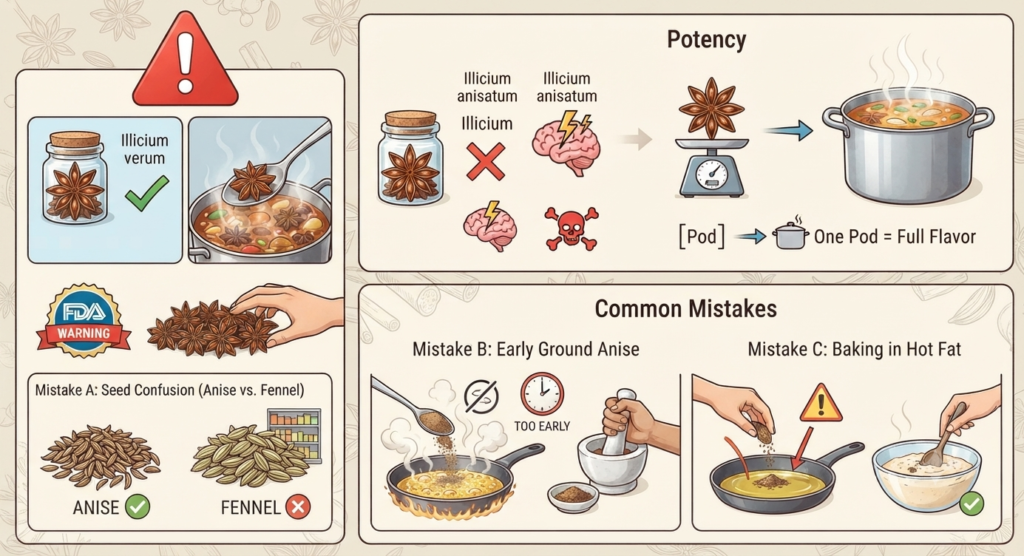
Other common mistakes: using too much star anise (it’s potent — one pod flavors a whole pot), confusing anise seed with fennel seed at the store (anise seeds are smaller and more elongated), and adding ground anise too early in cooking where its volatile oils evaporate. For baking, add ground anise to the batter rather than cooking it in hot fat.
Frequently Asked Questions About Anise
Are anise and star anise the same thing?
No. They taste similar because both contain the compound anethole, but they come from completely different plants. Anise seed (Pimpinella anisum) is from the parsley family, while star anise (Illicium verum) is from an evergreen tree. They can sometimes substitute for each other in recipes, but they are not the same spice.
What does anise taste like?
Anise has a sweet, warm licorice-like flavor. It’s the same taste you find in black licorice candy, ouzo, absinthe, and sambuca. Some people also detect slight notes of fennel or tarragon. If you dislike black licorice, you’ll likely dislike anise as well — the flavor compound (anethole) is the same.
Is anis the same as anise?
Yes. “Anis” is the French, Spanish, and German spelling of anise. It refers to the same plant (Pimpinella anisum) and the same spice. If a European recipe calls for anis, use regular anise seed from your spice rack.
Can I use anise seed instead of star anise in pho?
You can, but the result won’t be quite authentic. Star anise provides a deeper, more complex flavor that’s integral to pho broth. If substituting, use about 1 teaspoon of anise seed for each star anise pod called for. Consider adding a small piece of cinnamon stick to compensate for the woody depth you’ll lose.
Is anise seed the same as fennel seed?
No, though they’re often confused. Anise seed (Pimpinella anisum) is smaller, more elongated, and has a stronger licorice taste. Fennel seed (Foeniculum vulgare) is larger, pale green, and has a milder, sweeter flavor with less licorice intensity. They’re in the same plant family but different species.
How much anise should I use in baking?
A general guideline: 1–2 teaspoons of ground anise seed per batch of cookies or one loaf of bread. Start with 1 teaspoon if you’re new to the flavor — anise can be overpowering for those unaccustomed to it. For star anise in baking (less common), use 2 ground pods per recipe and taste the batter.