
Everything you need to know about choosing, planting, and caring for rose flowers — from selecting the right rose plants for your garden to keeping them blooming beautifully all season long.
Growing rose flowers is one of the most rewarding experiences for any home gardener — and with the right knowledge, even beginners can enjoy stunning blooms year after year.
Rose plants have been cultivated for thousands of years, admired for their beauty, fragrance, and the sense of elegance they bring to any garden. Whether you have a spacious backyard or a small balcony, there is a rose variety perfectly suited to your space and climate.
This guide covers everything from understanding what rose flowers are, choosing the best rose plants for your garden, learning proper planting and care techniques, and solving common problems that prevent roses from blooming. By the end, you will feel confident growing healthy, vibrant roses at home.
What Are Rose Flowers?
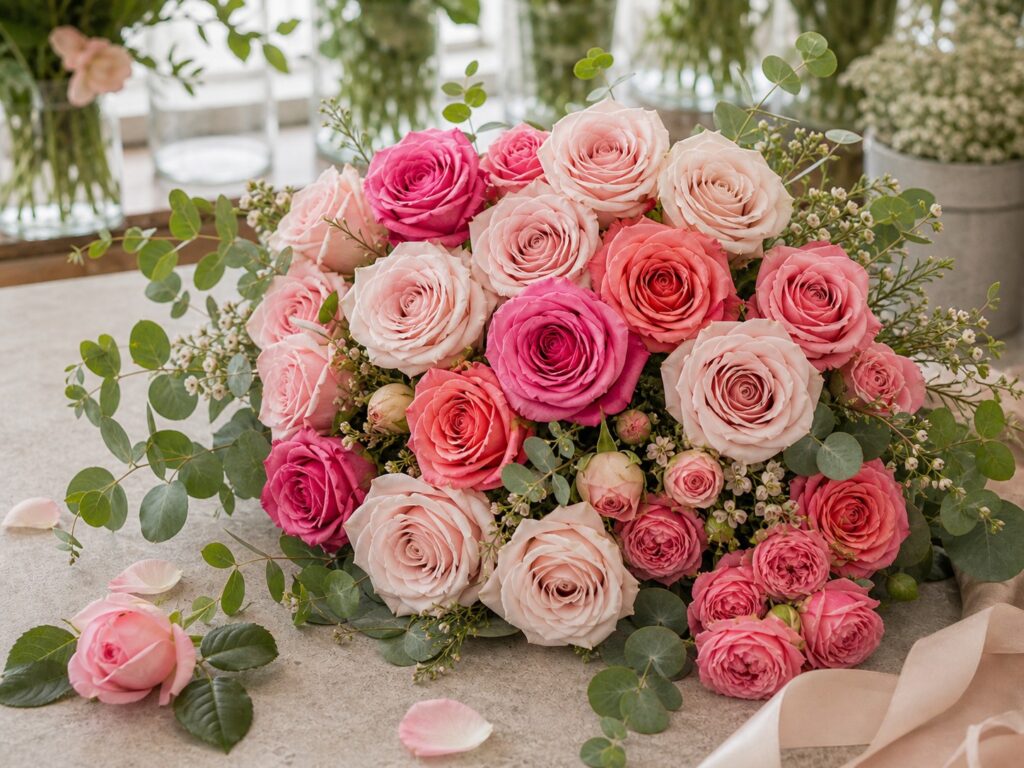
A rose flower belongs to the genus Rosa, a family of over 300 species and thousands of cultivated varieties. The flower of the rose typically features layered petals arranged in a spiral pattern, creating the classic bloom shape admired worldwide. Roses come in nearly every colour — red, pink, white, yellow, orange, lavender, and even multi-toned varieties.
Rose plants are woody perennials, meaning they return year after year with proper care. Most roses grow as shrubs, though some varieties climb trellises and fences while others stay compact enough for containers. The flower rose produces not only visual beauty but also fragrance — some varieties offer intense perfume while others are bred primarily for colour and form.
Understanding the basic anatomy of rose flowers helps with care decisions. Each bloom develops from a bud on new or old wood depending on the variety. The flower consists of sepals, petals, stamens and pistils. After pollination, rose plants produce seed-bearing fruit called rose hips, which are rich in vitamin C and often used in teas and skincare.
Different Types of Rose Plants for Your Garden
Choosing the right roses plants depends on your garden size, climate, and how much maintenance you are willing to do. Here are four popular categories of rose plants that work beautifully in home gardens.
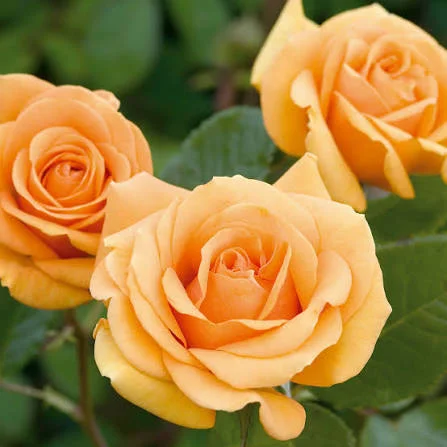
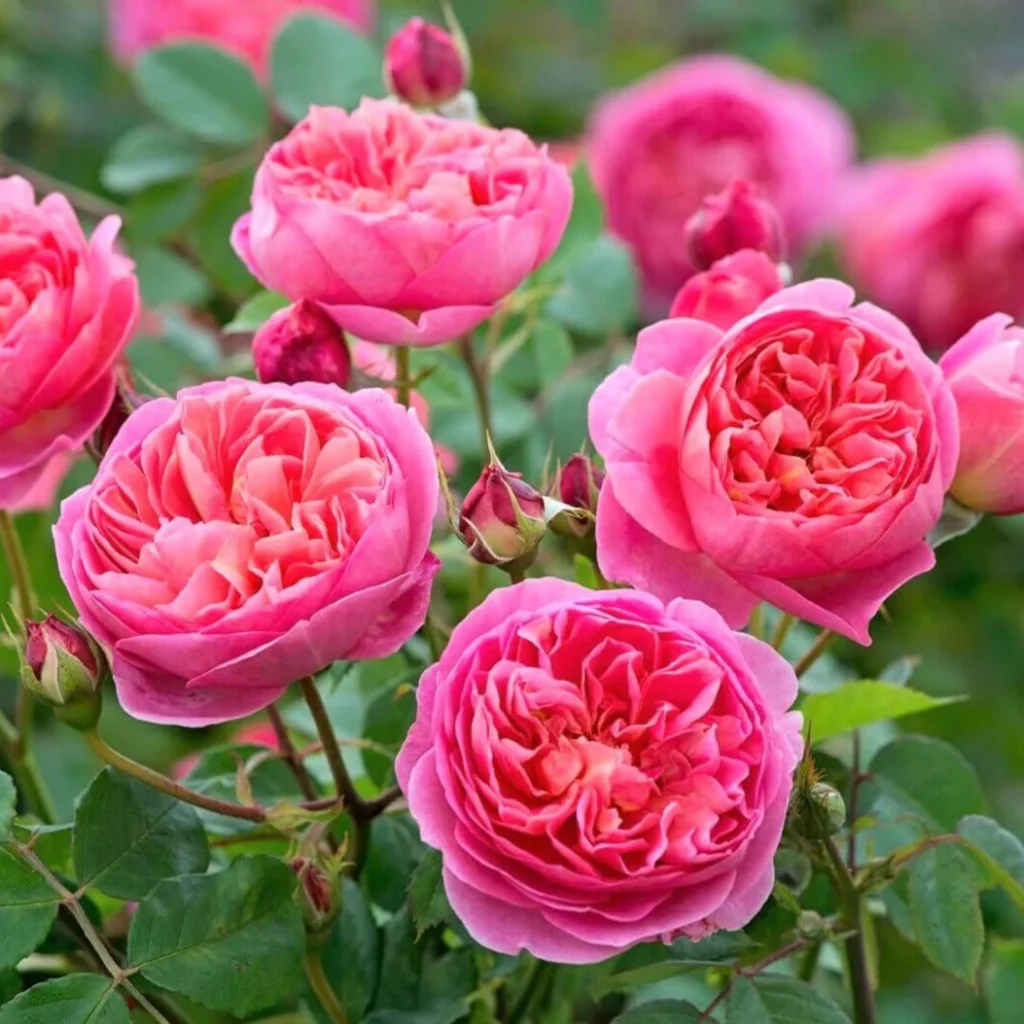
Hybrid Tea Roses
The classic long-stemmed rose flower with one large bloom per stem. Ideal for cutting gardens and formal beds. Requires regular pruning and feeding but rewards with elegant, perfectly shaped flowers throughout the growing season.
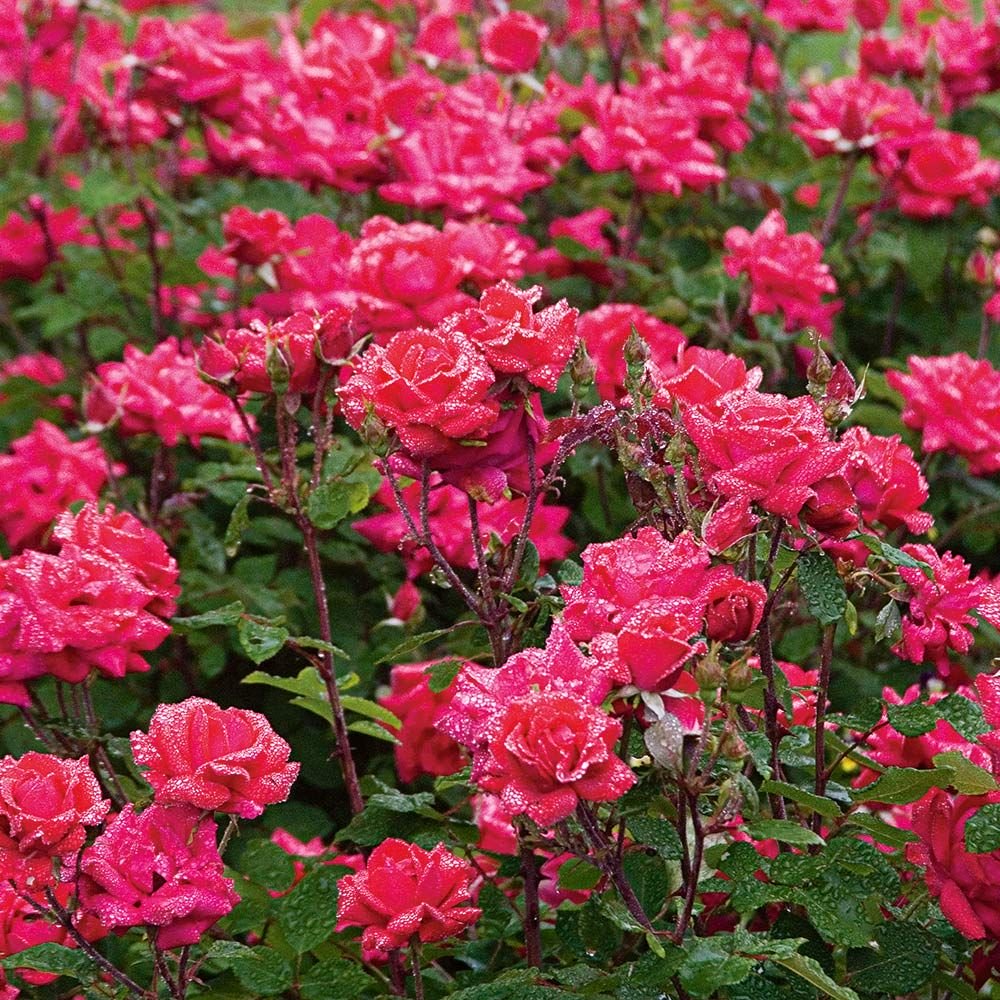
Floribunda Roses
These roses plants produce clusters of smaller flowers rather than single blooms, creating a continuous mass of colour. More disease-resistant than hybrid teas and excellent for borders. A great choice for beginner gardeners wanting abundant rose flowers.
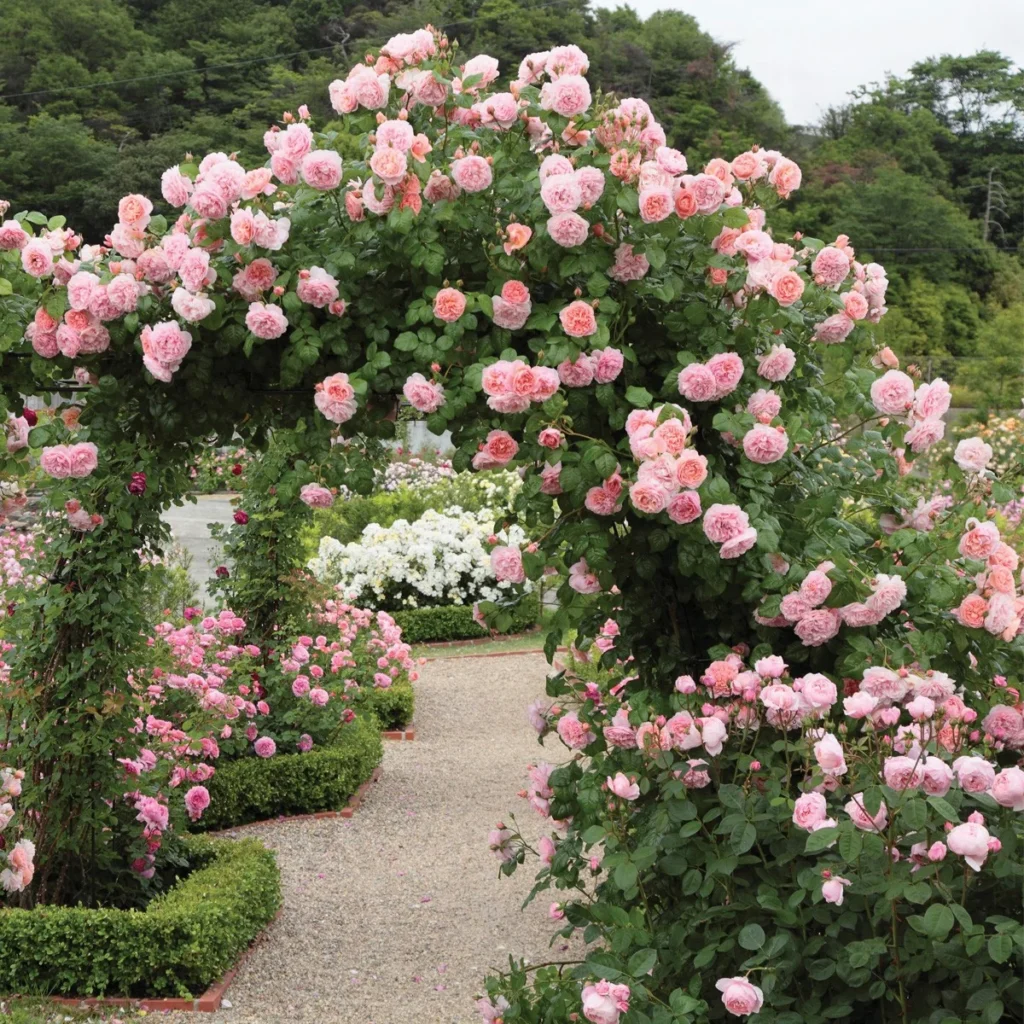
Climbing Roses
Perfect for walls, arches and pergolas. Climbing rose plants can reach 3–6 metres and produce cascading flowers that transform vertical spaces. They need sturdy support structures and annual training to direct growth.
Shrub & Landscape Roses
The easiest garden roses to grow. Shrub roses are naturally disease-resistant, require minimal pruning, and bloom repeatedly. Varieties like Knock Out and David Austin roses are ideal roses for garden borders and mixed plantings.
How to Grow Rose Flowers Successfully
Soil:
Rose plants thrive in well-drained, loamy soil with a slightly acidic pH between 6.0 and 6.5. Before planting, amend heavy clay or sandy soil with compost and aged manure. Good drainage prevents root rot — the number one killer of roses plants in home gardens.
Sunlight:
Rose flowers need a minimum of 6 hours of direct sunlight daily. Morning sun is particularly beneficial because it dries dew from the leaves, reducing fungal disease risk. In hot climates, light afternoon shade protects blooms from scorching.
Watering:
Deep watering at the base 2–3 times per week is better than frequent shallow watering. Many beginner gardeners overwater roses, which leads to root problems. Allow the top 2–3 cm of soil to dry between waterings. Mulch around the base helps retain moisture and regulate soil temperature.
Fertilising:
Feed rose plants every 4–6 weeks during the growing season with a balanced rose fertiliser. Start feeding in early spring when new growth appears and stop 6–8 weeks before the first expected frost to allow the plant to harden off naturally.
Pruning:
Annual pruning in late winter or early spring encourages healthy new growth and more rose flowers. Remove dead, damaged and crossing branches. Cut at a 45-degree angle just above an outward-facing bud. For repeat-blooming roses, deadhead spent flowers throughout the season to encourage continuous blooming.
Best Garden Roses for Outdoor Spaces
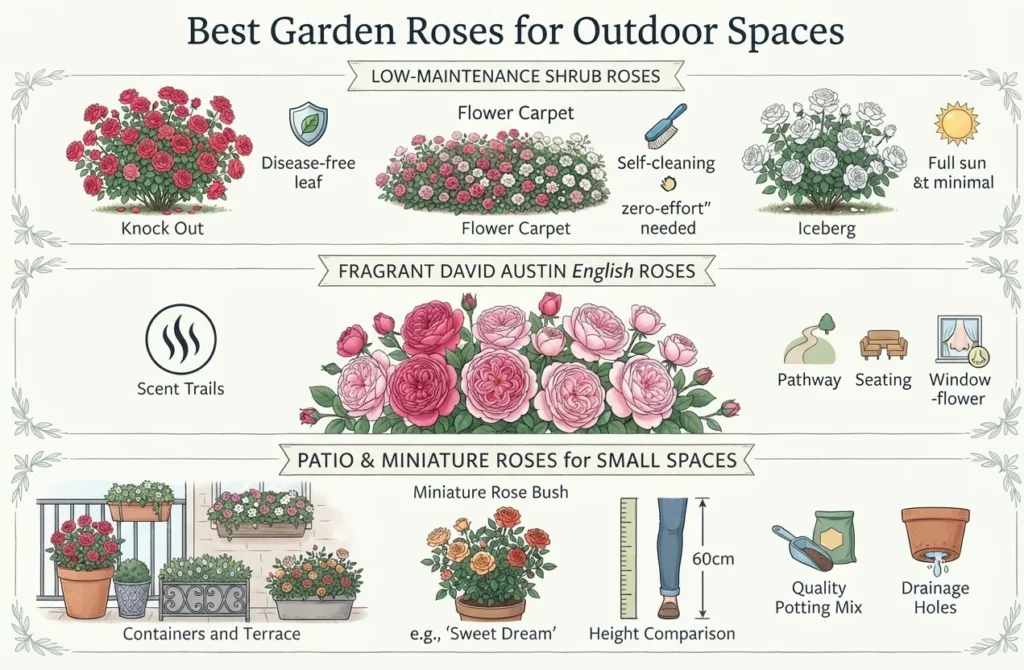
When selecting roses for garden planting, consider your climate zone, available space, and desired maintenance level. For low-maintenance gardens, shrub roses like Knock Out, Flower Carpet, and Iceberg produce abundant blooms with minimal intervention. These garden roses are disease-resistant and self-cleaning, meaning spent petals drop naturally.
For fragrance, David Austin English roses combine old-world charm with modern disease resistance. Varieties like ‘Gertrude Jekyll’ and ‘Olivia Rose Austin’ produce heavily scented flowers rose enthusiasts adore. Plant them where you will pass by frequently — along pathways, near seating areas, or beneath bedroom windows.
For small spaces, patio and miniature roses grow happily in containers. A rose with flowers in a beautiful pot on a balcony or terrace brings the same joy as a full garden bed. Choose compact varieties like ‘Sweet Dream’ or ‘Top Marks’ that stay under 60 cm tall. Use quality potting mix and ensure containers have drainage holes.
Common Rose Plant Problems and Solutions
Yellow leaves on rose plants usually indicate overwatering, nutrient deficiency (especially iron or nitrogen), or sudden temperature changes. Check soil moisture first — if the soil is soggy, reduce watering frequency. For nutrient issues, apply a balanced fertiliser and consider adding iron chelate if leaves yellow between green veins.
Black spot is the most common fungal disease affecting roses. It appears as dark circular spots on leaves, eventually causing leaf drop. Prevention is easier than cure: water at the base rather than overhead, ensure good air circulation between plants, and remove fallen leaves promptly. Organic neem oil spray applied every 7–14 days helps prevent outbreaks.
Aphids cluster on new growth and flower buds, sucking sap and distorting growth. A strong spray of water dislodges most aphids. For persistent infestations, insecticidal soap or introducing ladybirds (natural predators) provides chemical-free control. Roses that fail to bloom often need more sunlight, more fertiliser, or corrective pruning to redirect energy into flower production.
How to Keep Rose Flowers Blooming Longer
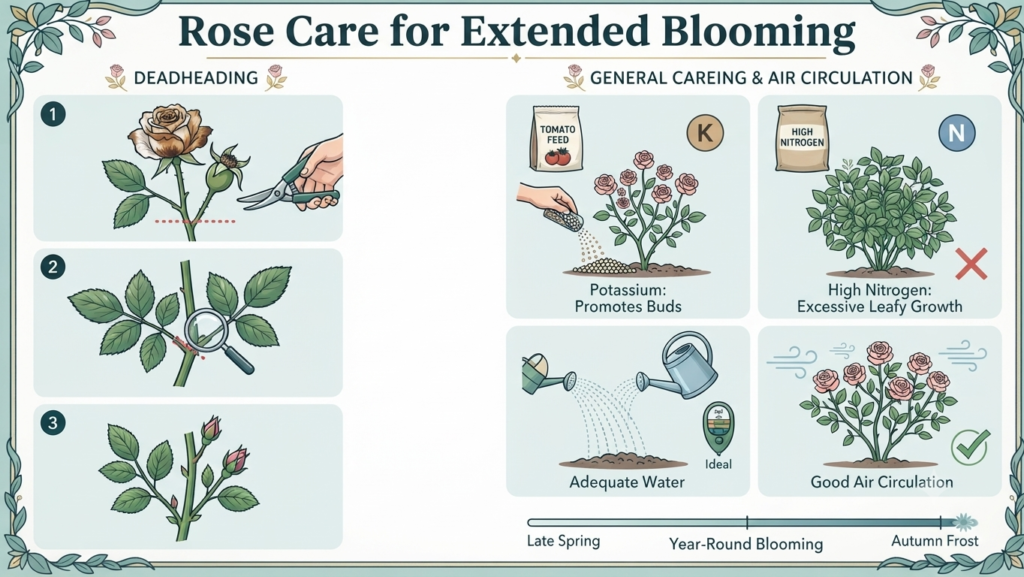
Deadheading — removing spent rose flowers before they form seed hips — signals the plant to produce new buds rather than directing energy into seed production. Cut the stem back to just above the first leaf with five leaflets. For rose flowers flower production throughout the season, consistent deadheading is the single most effective technique.
Regular feeding, adequate water, and good air circulation all contribute to extended blooming periods. Potassium-rich fertilisers (like tomato feed) applied mid-season encourage more flower buds. Avoid high-nitrogen feeds after mid-summer as they promote leafy growth at the expense of flowers. With the right care, many rose plants bloom continuously from late spring through the first autumn frost.
Frequently Asked Questions About Rose Flowers
What is the best soil for growing rose plants?
Rose plants grow best in well-drained, loamy soil with a pH between 6.0 and 6.5. Amend clay soil with compost and grit for drainage. Sandy soil benefits from added organic matter to retain moisture. A 5–8 cm layer of mulch helps maintain consistent soil conditions throughout the growing season.
How often should I water rose flowers?
Water deeply 2–3 times per week rather than lightly every day. Each watering should soak the root zone to a depth of 15–20 cm. In hot weather, roses may need more frequent watering. Always water at the base to keep foliage dry and prevent fungal diseases. The ideal schedule depends on your climate, soil type, and sun exposure.
Which rose plants bloom all year round?
In mild climates, repeat-blooming varieties like Knock Out roses, Iceberg floribundas, and many David Austin shrub roses can flower almost continuously from spring to late autumn. True year-round blooming requires frost-free conditions. In colder regions, choose varieties labelled ‘repeat flowering’ for the longest possible bloom season.
How do I prune rose plants correctly?
Prune in late winter when buds begin to swell but before active growth starts. Remove dead, diseased and crossing stems first. Then reduce remaining stems by one-third to one-half, cutting at a 45-degree angle 5 mm above an outward-facing bud. This opens the centre for air circulation and encourages outward growth.
What are the easiest garden roses for beginners?
Shrub roses and landscape roses are the most forgiving for beginners. Knock Out, Flower Carpet, and Drift series roses require minimal pruning, resist common diseases, and bloom repeatedly without deadheading. They are nearly foolproof roses for garden borders, mixed beds, and containers.
Why are my rose flowers small or not blooming?
Small or absent blooms usually result from insufficient sunlight (roses need 6+ hours daily), lack of fertiliser, overcrowding, or incorrect pruning. Check that your rose plant is not shaded by growing trees. Feed every 4–6 weeks during the growing season and ensure spent flowers are removed to redirect energy into new blooms.