
Find my birth flower
What Are Birth Month Flowers?
Birth flowers are a cultural tradition rather than a scientific system. A flower became associated with each month because of seasonal blooming patterns, long-established symbolism and regional customs. Some months have one commonly recognised flower, while others have two or more.
They are popular because they make a birthday gift feel personal without requiring complicated planning. A florist can build a bouquet around the birth flower, or the motif can appear in jewellery, art, stationery, tattoos and home décor.
Where the Tradition Comes From
Flowers have been used to express emotion and mark important occasions for centuries. Their symbolic use became especially fashionable during the nineteenth century through floriography, often called the language of flowers. Different blooms were used to communicate affection, loyalty, sympathy and other feelings.
There is no single universal list. Today’s birth flower guides bring together seasonal availability, flower symbolism and customs that developed in different places. That is why an alternative flower may appear for the same month in another country or source.
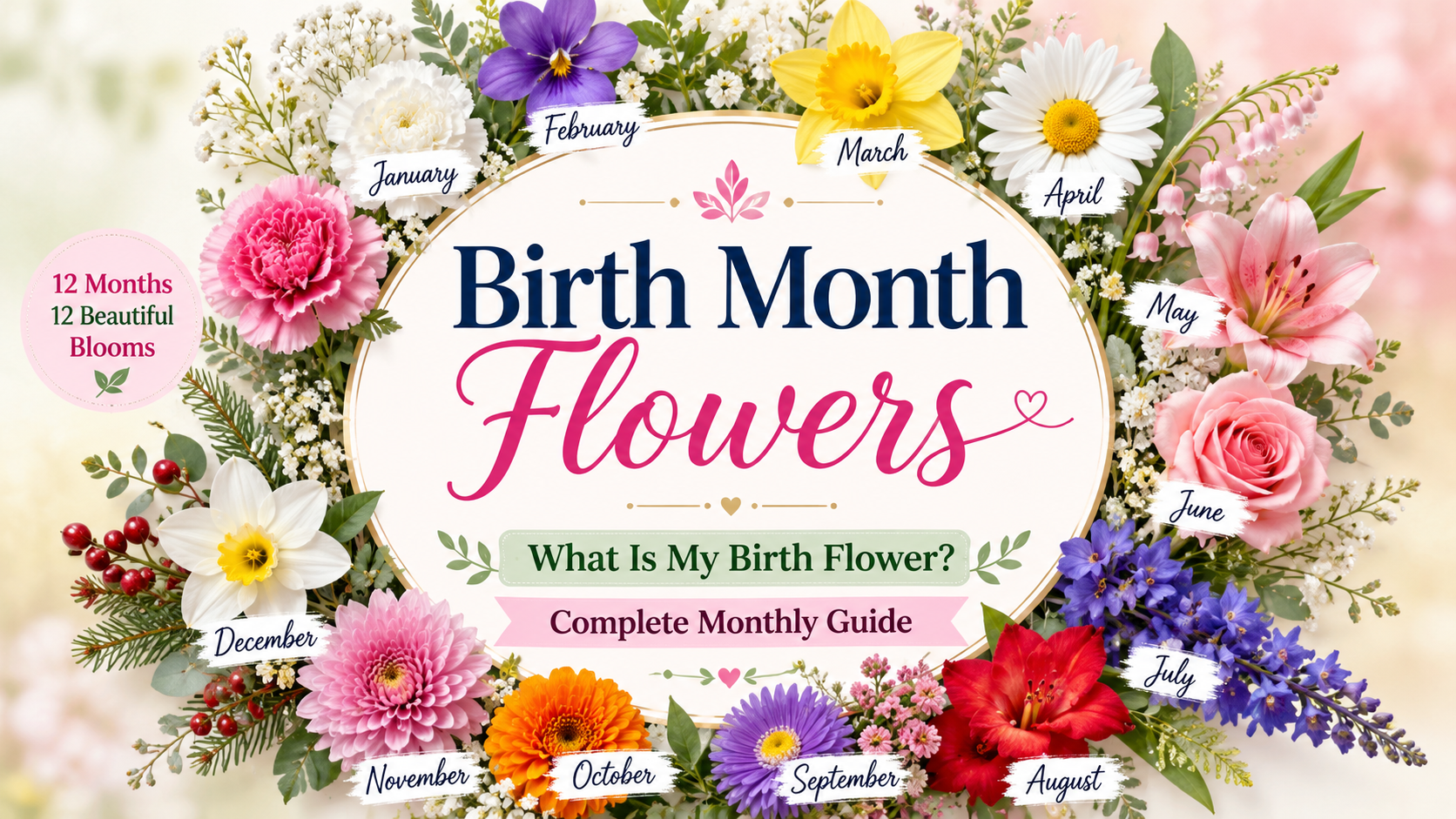
Birth Flowers by Month
Each card gives you the traditional flower, its most widely recognised symbolism and a practical gift idea.
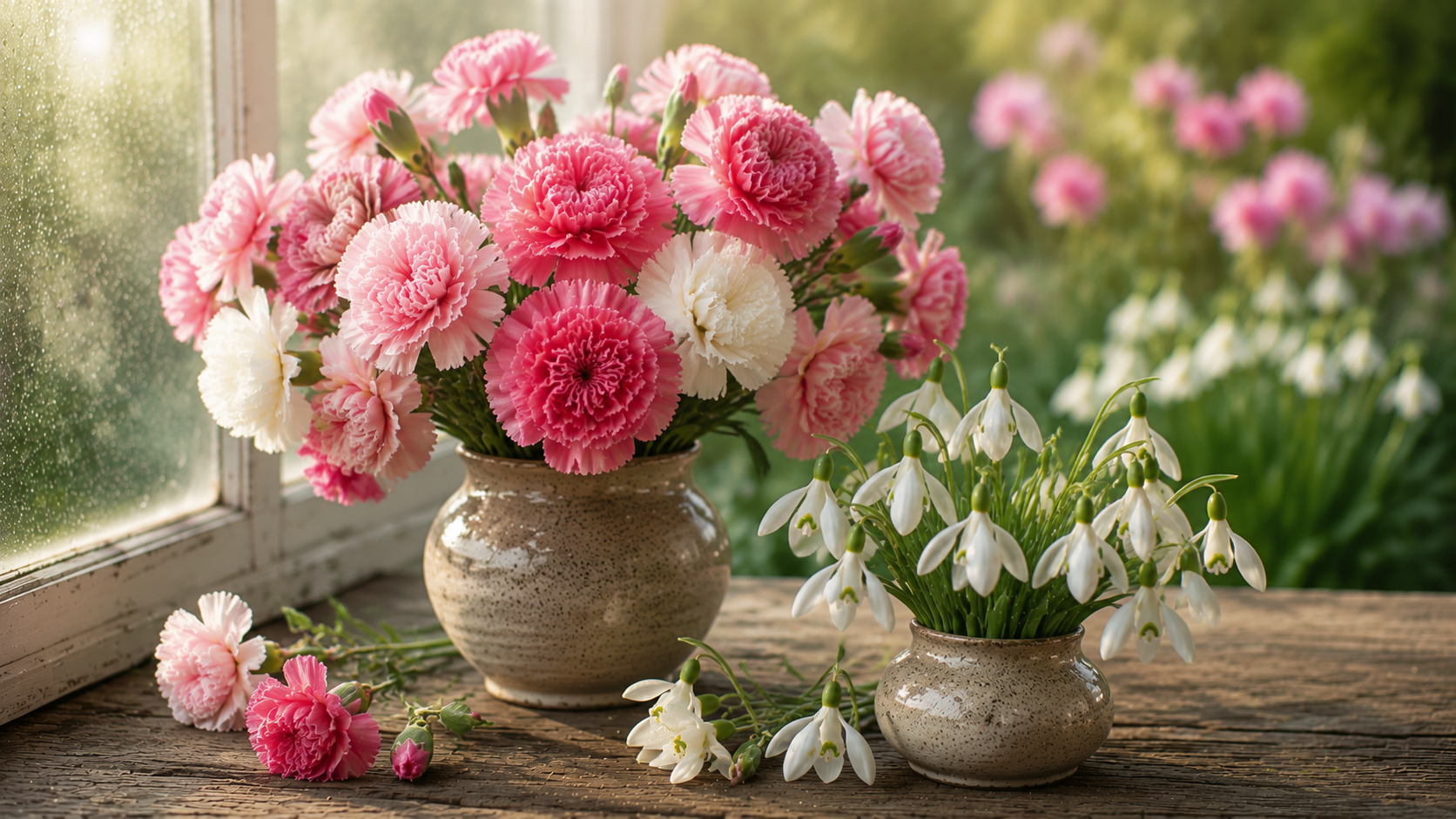
Carnation & Snowdrop
Symbolises: Love, admiration, hope and renewal
Carnations are cherished for their layered petals, long vase life and wide range of colours. Snowdrops are among the first flowers to emerge after winter, making them a natural symbol of resilience and a hopeful new beginning.
Gift idea
Choose carnations in the recipient’s favourite colour, or pair white blooms with soft seasonal greenery.
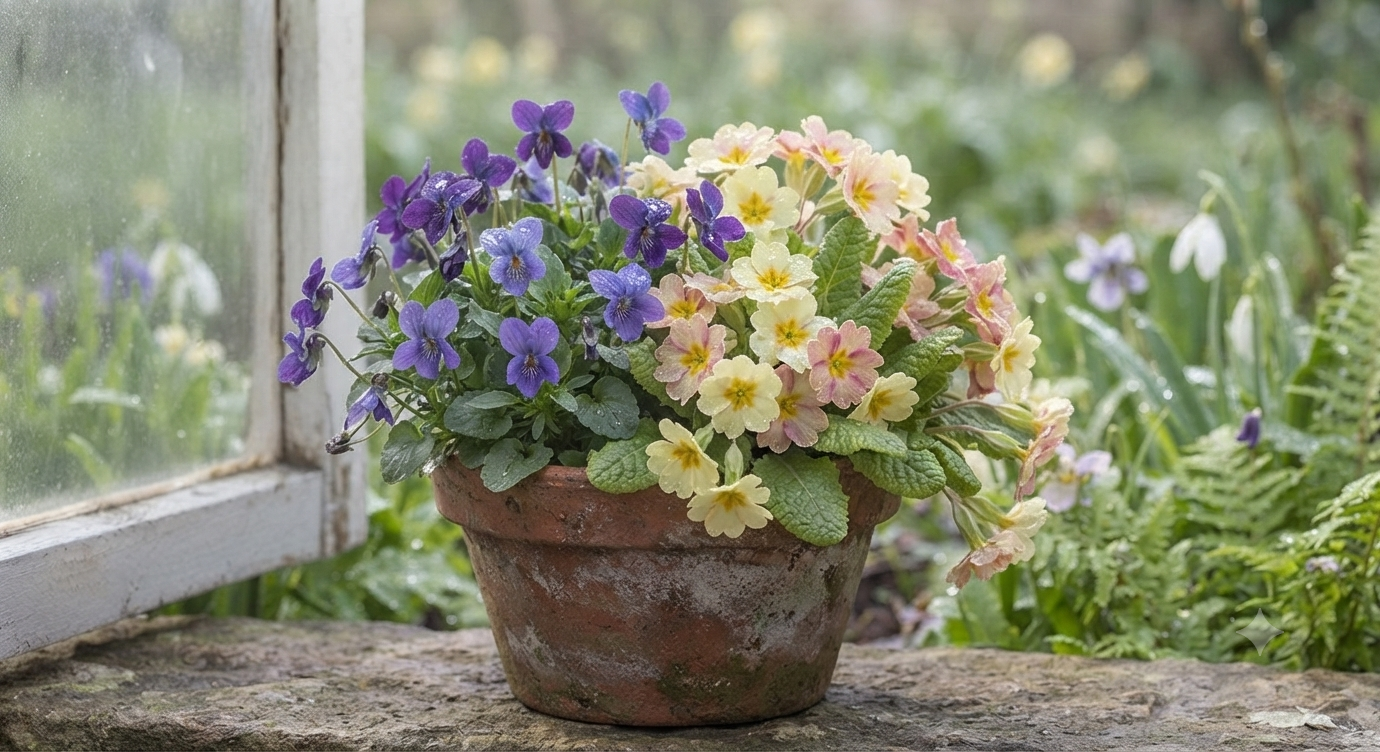
Violet & Primrose
Symbolises: Faithfulness, modesty and young love
Violets may be small, but their rich colour gives them a quiet elegance. They traditionally represent loyalty and humility, while cheerful primroses are associated with young love and the fresh promise of spring.
Gift idea
A potted violet is a thoughtful living gift that can continue flowering after the birthday.
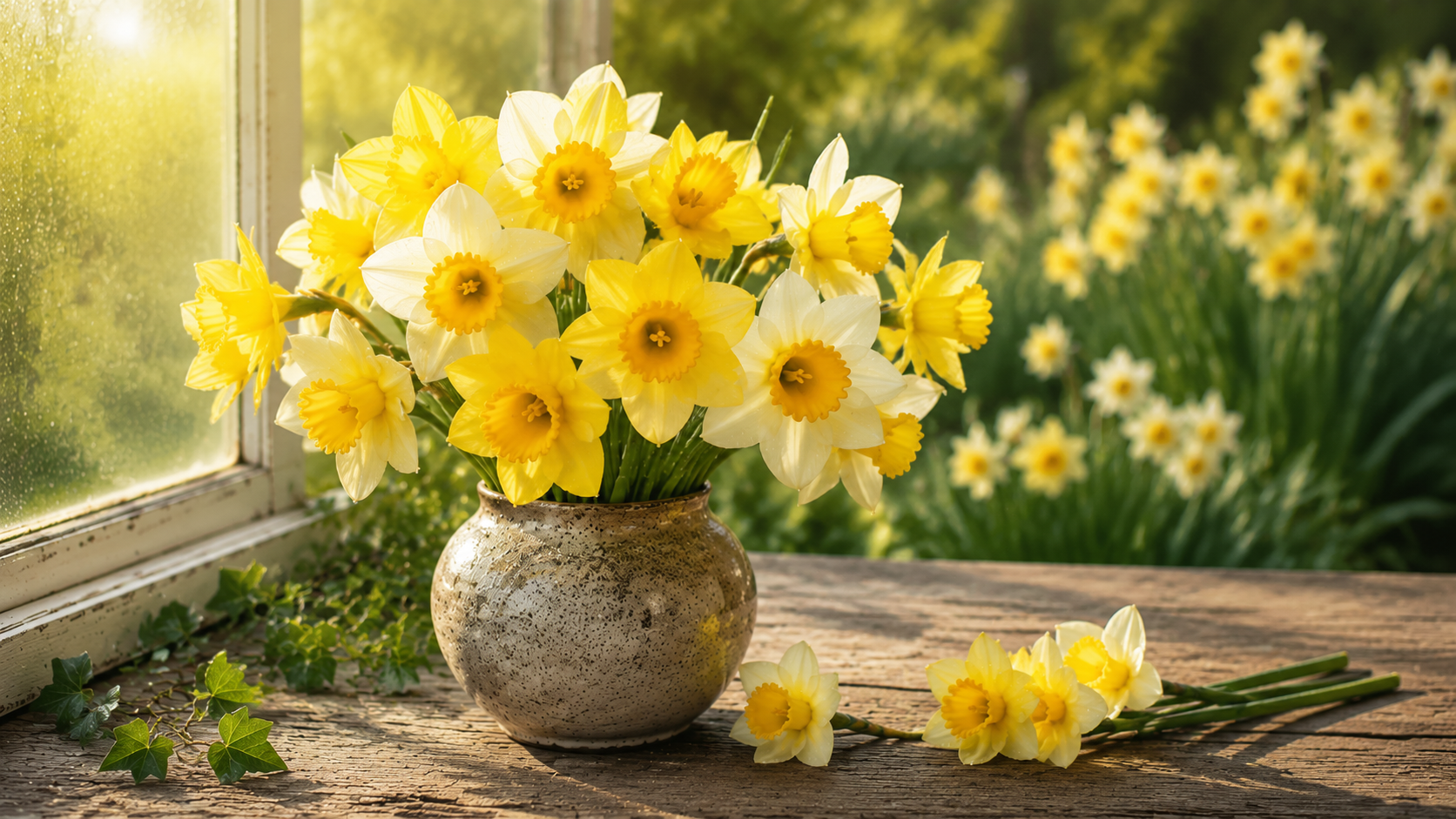
Daffodil
Symbolises: Renewal, hope and new beginnings
The bright, trumpet-shaped daffodil is one of the most familiar signs of spring. Because it appears as the season changes, it has become closely connected with optimism, renewal and the courage to begin again.
Gift idea
Give a generous bunch rather than a single stem for an uplifting, optimistic birthday arrangement.
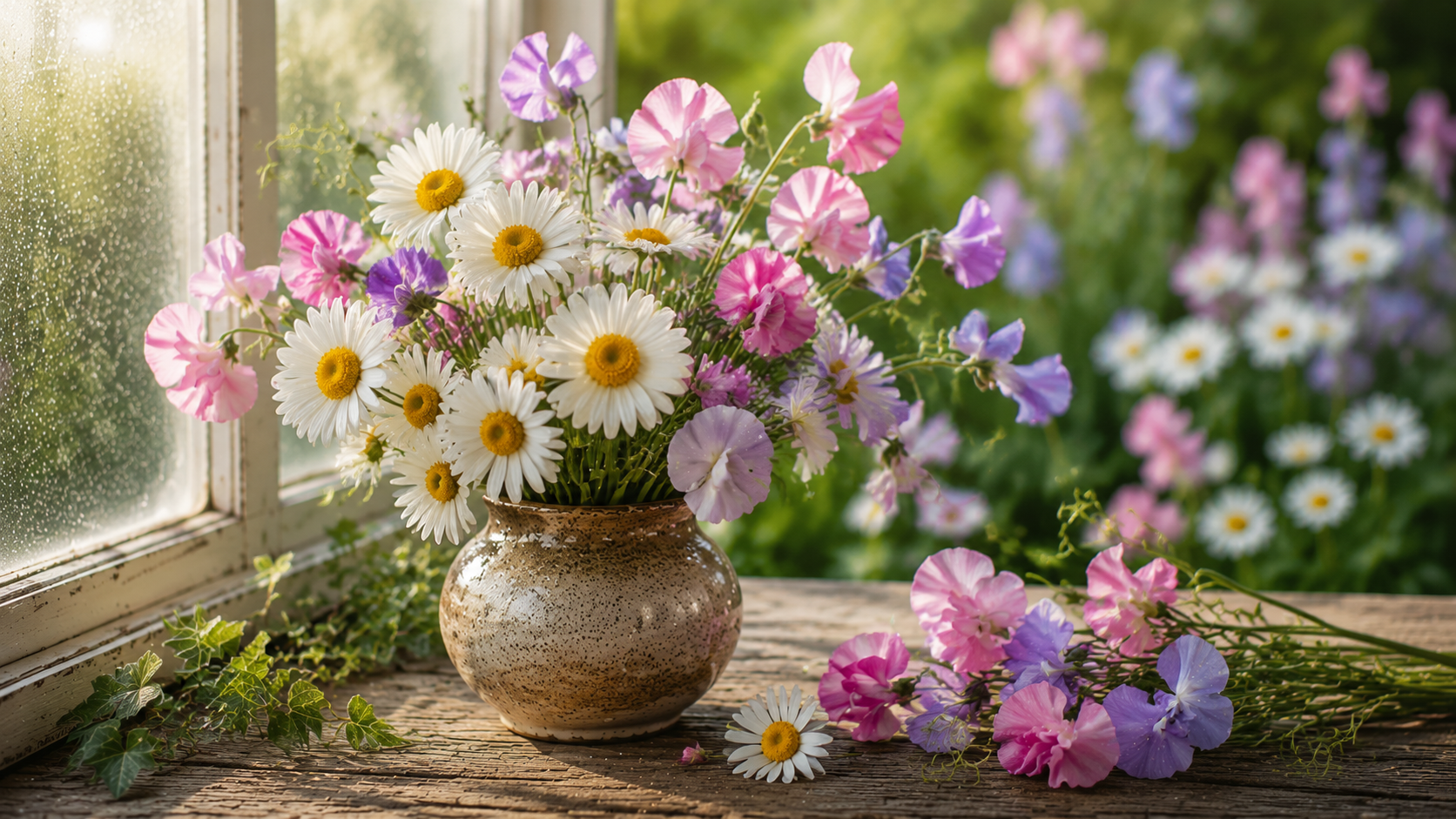
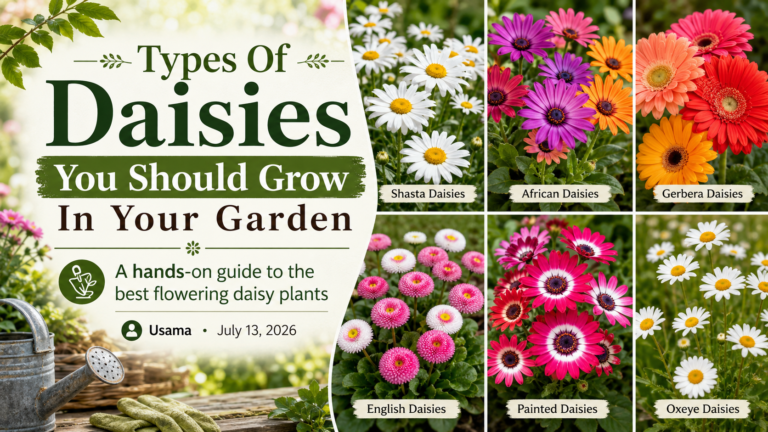
Daisy & Sweet Pea
Symbolises: Innocence, gratitude and happiness
Daisies have an open, uncomplicated beauty associated with innocence and loyal love. Sweet peas add fragrance, soft colour and a traditional message of gratitude, pleasure and fond remembrance.
Gift idea
Combine daisies and pastel sweet peas for a light, relaxed spring bouquet.
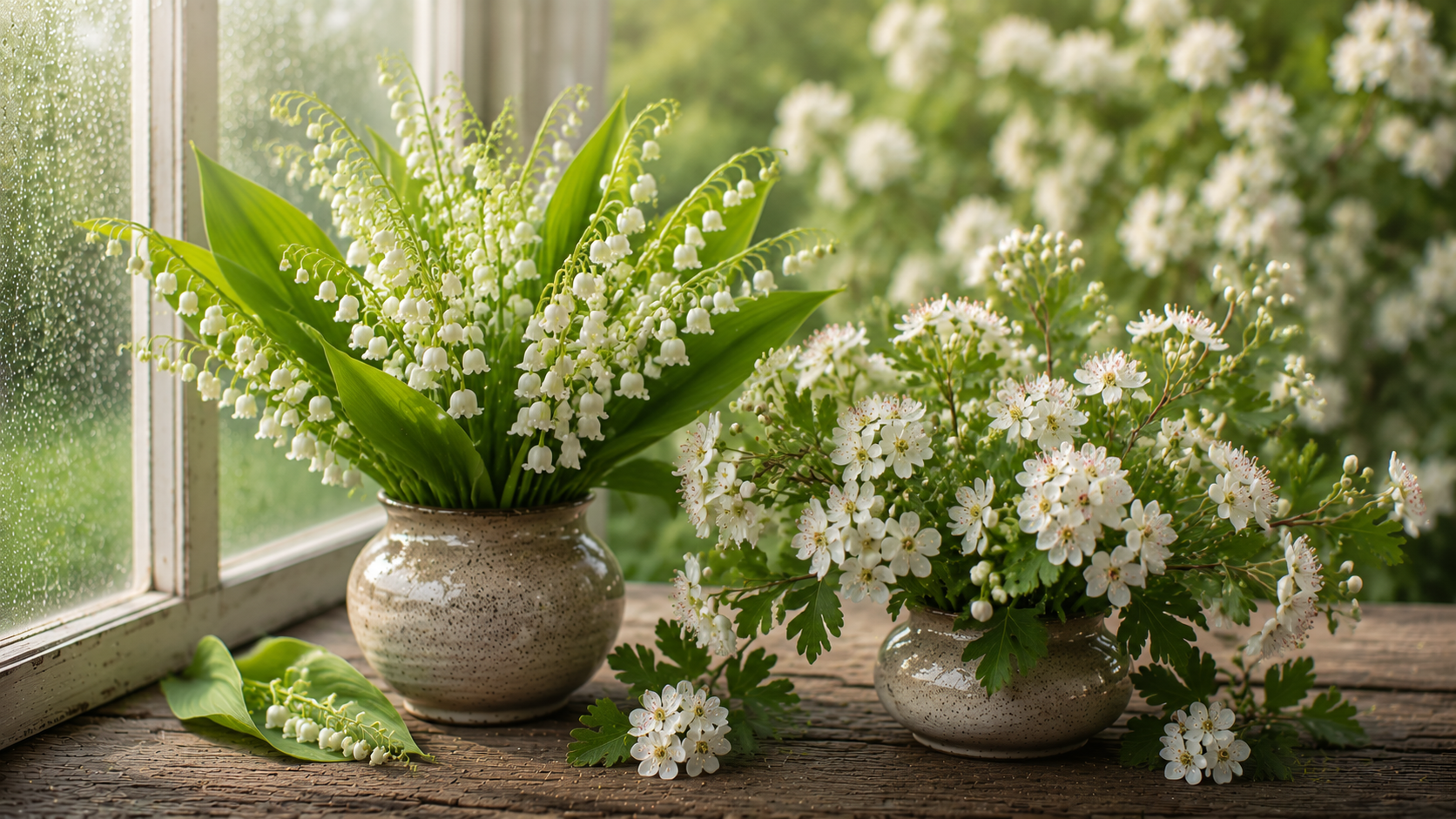
Lily of the Valley & Hawthorn
Symbolises: Humility, hope and returning happiness
Lily of the valley is recognised by its delicate white bells and sweet fragrance. It symbolises tenderness and returning happiness, while hawthorn blossom adds ideas of hope, protection and new possibilities.
Gift idea
When fresh stems are difficult to source, choose botanical artwork or jewellery inspired by the flower.
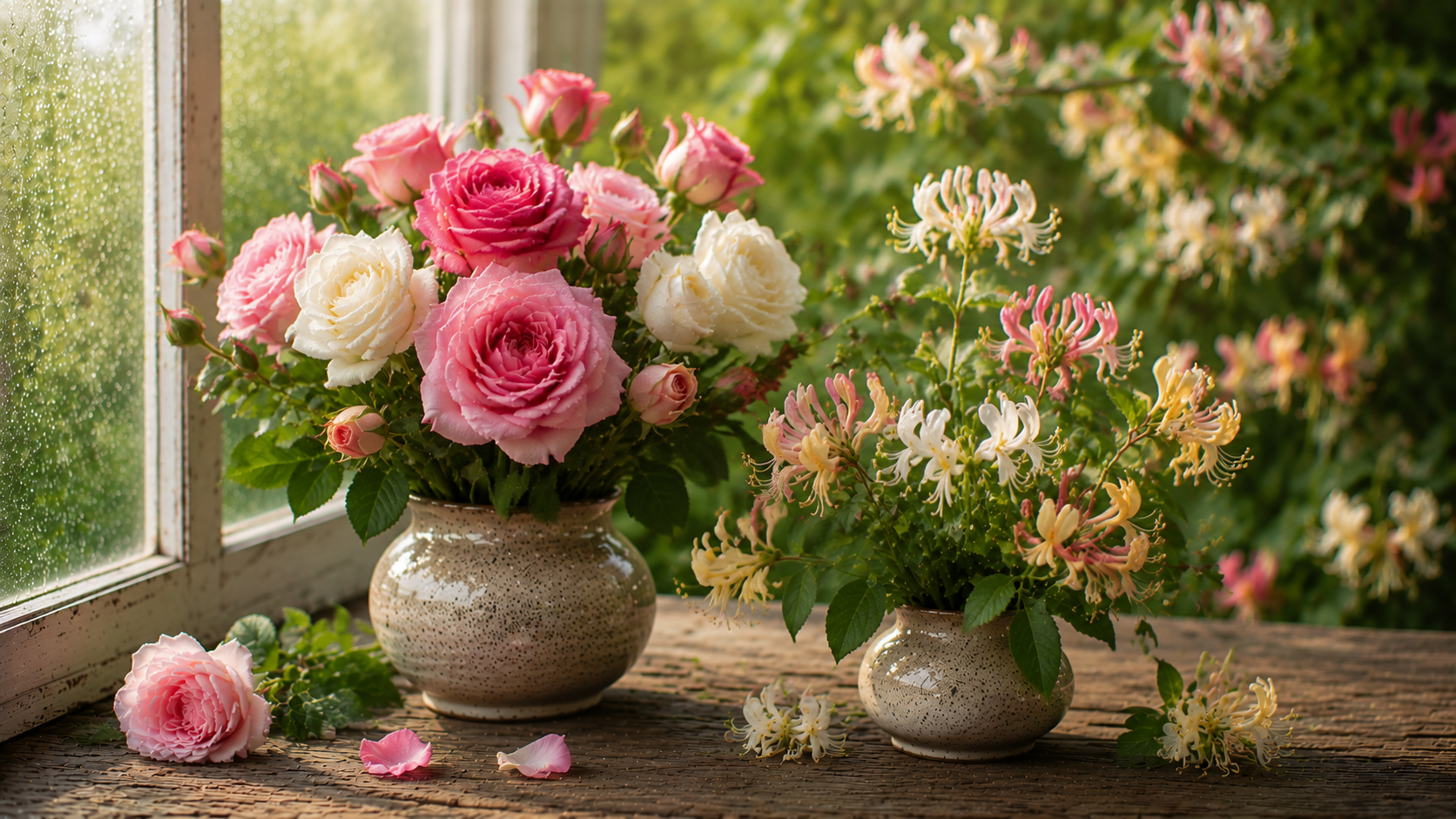
Rose & Honeysuckle
Symbolises: Love, beauty and lasting devotion
The rose is one of the world’s best-known symbols of love, with meanings that shift by colour: red for passion, pink for gratitude, white for purity and yellow for friendship. Honeysuckle adds devotion and strong emotional bonds.
Gift idea
Select a rose colour that reflects your relationship with the recipient, then add fragrant greenery or honeysuckle-inspired details.
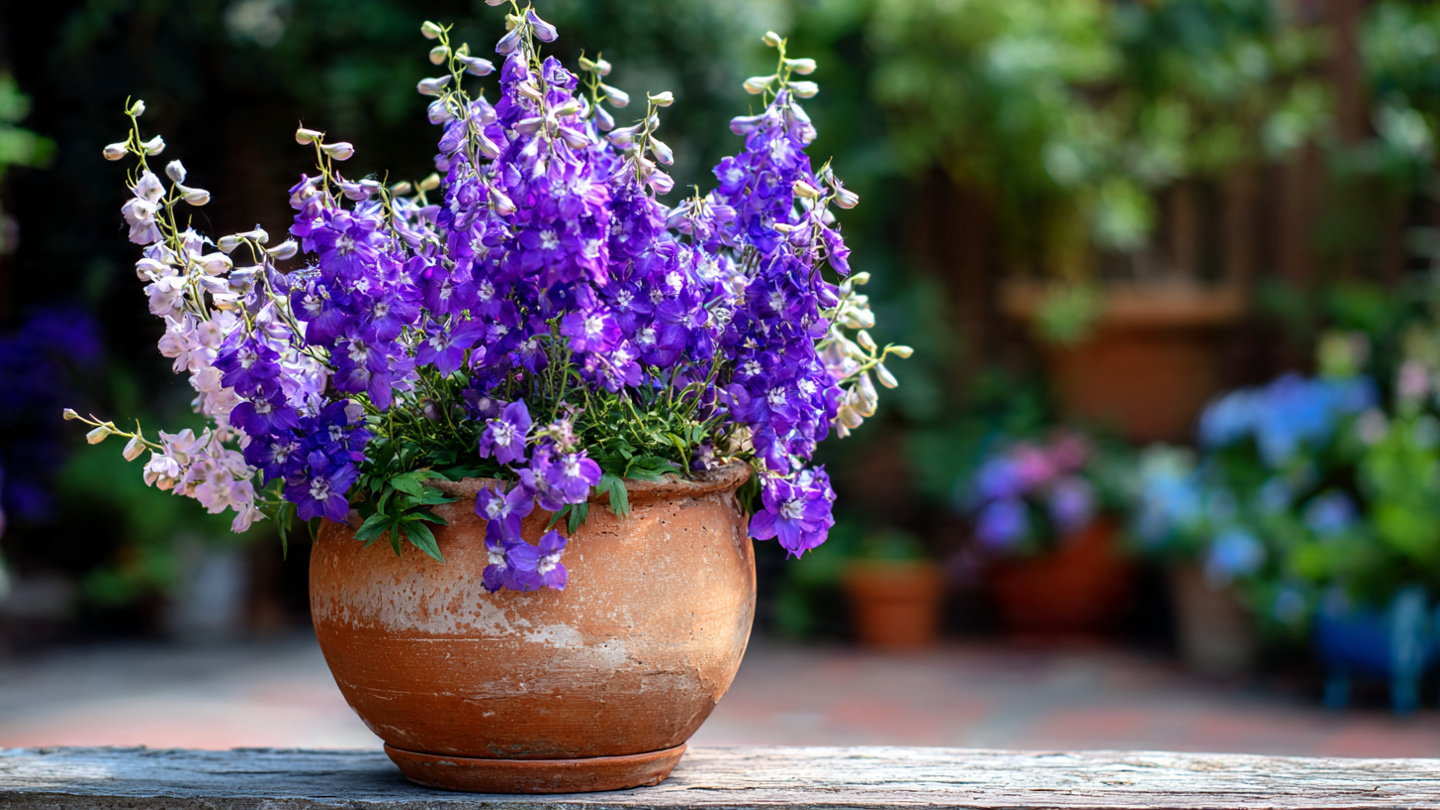
Larkspur & Water Lily
Symbolises: Positivity, purity and an open heart
Tall larkspur spikes bring energy and movement to an arrangement and are linked with positivity and generosity. Water lilies, which rest calmly above the water, suggest peace, purity and emotional balance.
Gift idea
Choose larkspur for a dramatic bouquet or water-lily artwork for a calm, lasting keepsake.
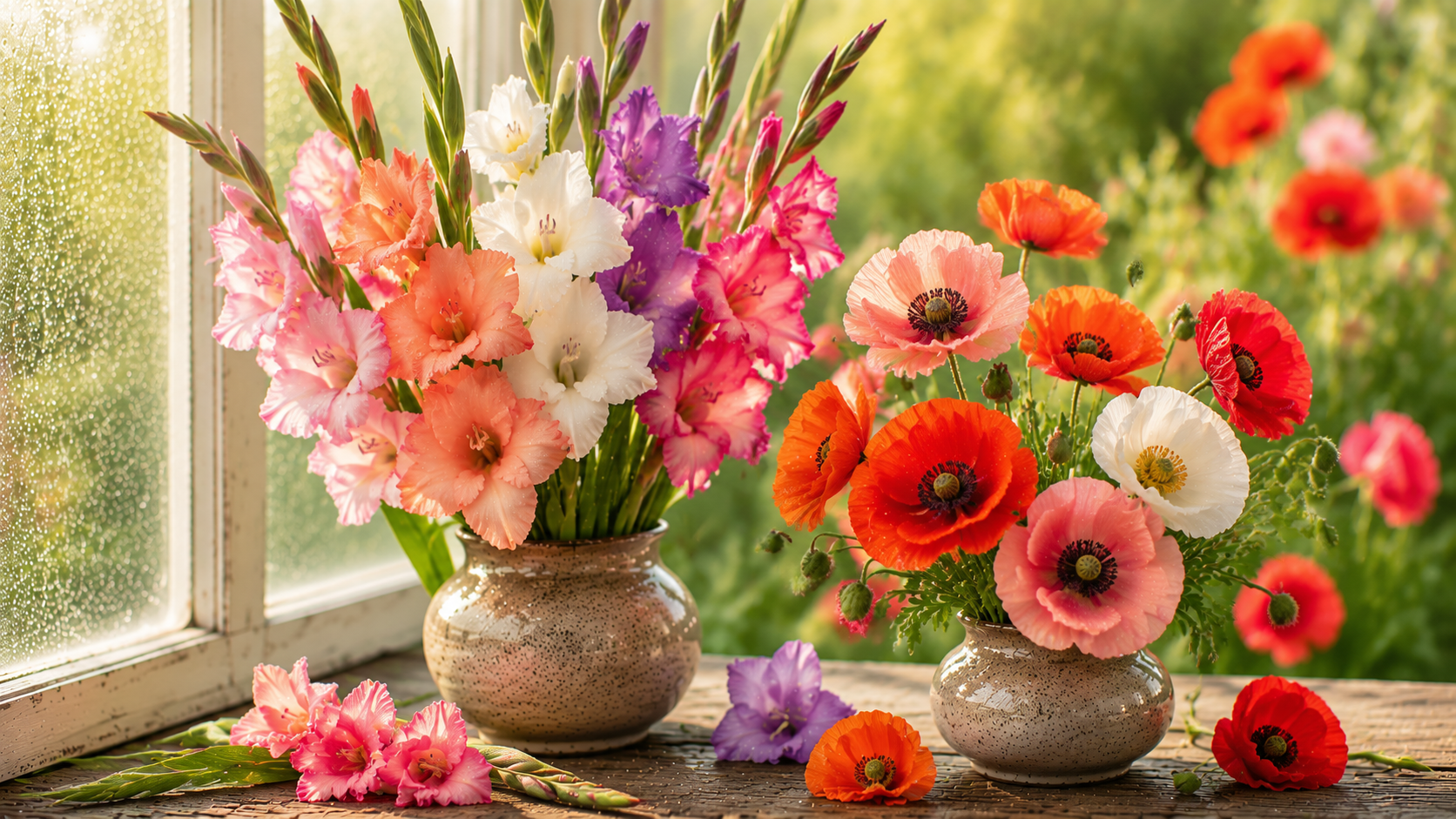
Gladiolus & Poppy
Symbolises: Strength, integrity and remembrance
Gladiolus grows on tall, sword-like stems, which helps explain its connection with strength of character and integrity. Poppies carry varied meanings across cultures, including imagination, peaceful rest and remembrance.
Gift idea
A structured gladiolus arrangement makes a bold centrepiece for an August birthday.
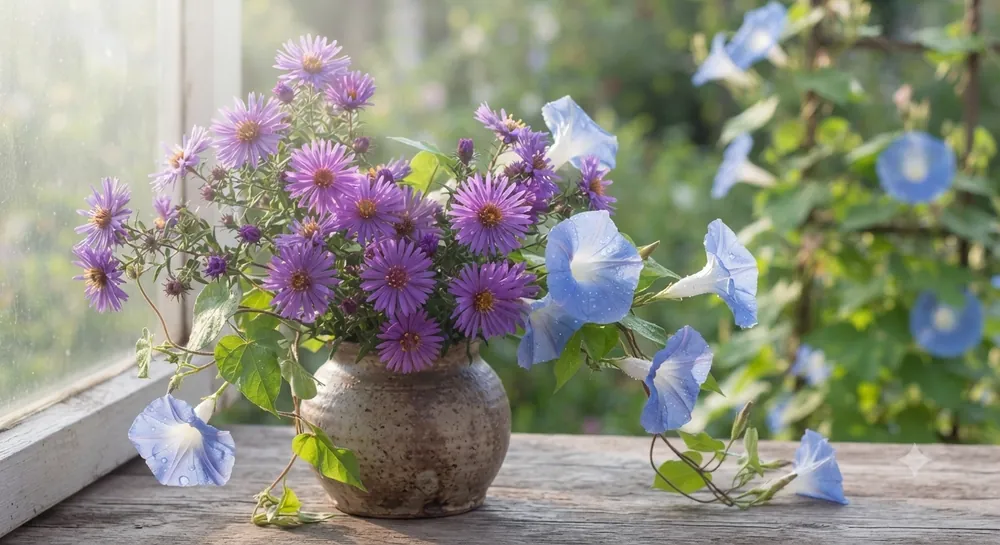
Aster & Morning Glory
Symbolises: Wisdom, affection and faith
Asters take their name from the Greek word for “star”, reflecting their fine, radiating petals. They are associated with wisdom, patience and faith, while morning glories suggest affection and fresh intentions.
Gift idea
Purple asters create a thoughtful seasonal bouquet; botanical prints are a good alternative for a longer-lasting gift.
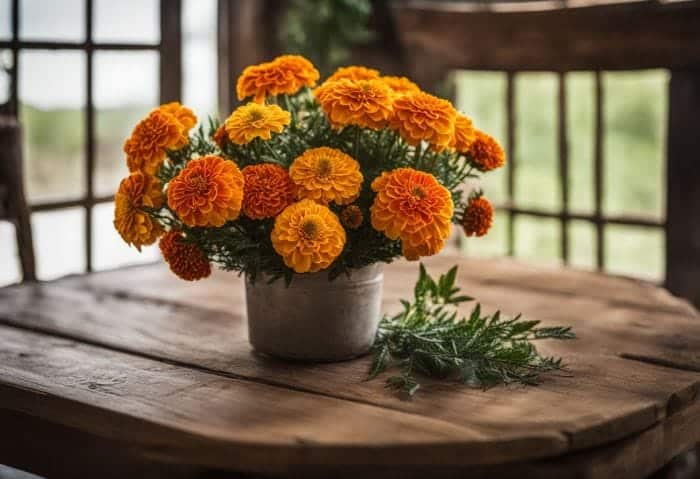
Marigold & Cosmos
Symbolises: Creativity, warmth and harmony
Marigolds bring saturated shades of gold, orange and red, and are often linked with warmth and determination. The evenly arranged petals of cosmos suggest balance, order and a peaceful outlook.
Gift idea
Mix orange marigolds with pink or white cosmos for a colourful, relaxed autumn arrangement.
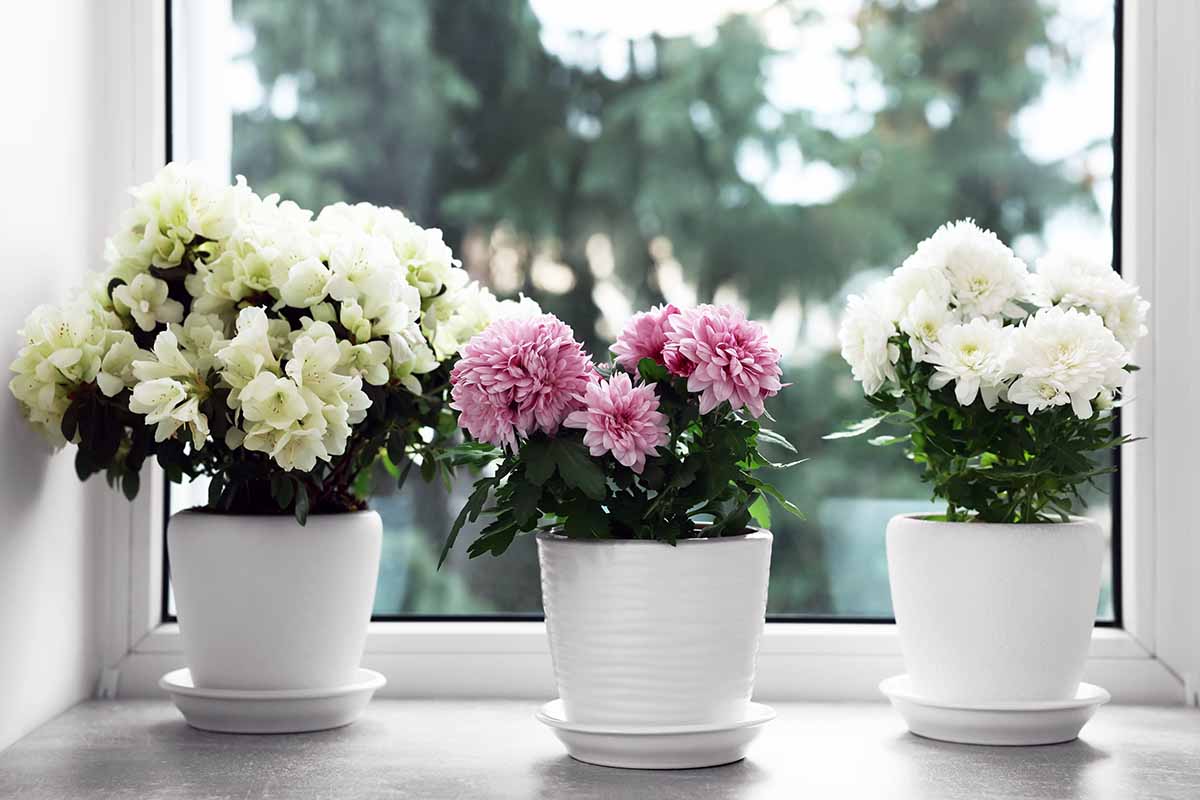
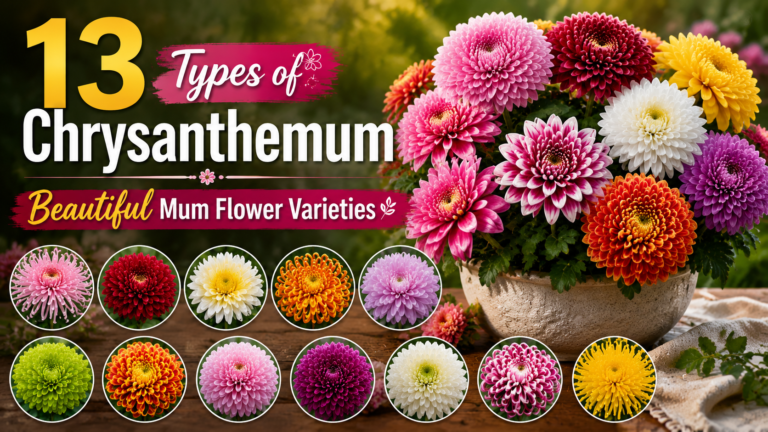
Chrysanthemum
Symbolises: Joy, loyalty and lasting friendship
The chrysanthemum is one of the most widely cultivated flowers in the world. It carries associations of joy, longevity and loyalty in many cultures, and its dense layers of petals give bouquets a rich, full appearance.
Gift idea
Choose a rich wine or amber chrysanthemum for an autumn birthday — it suits both bouquets and potted arrangements.
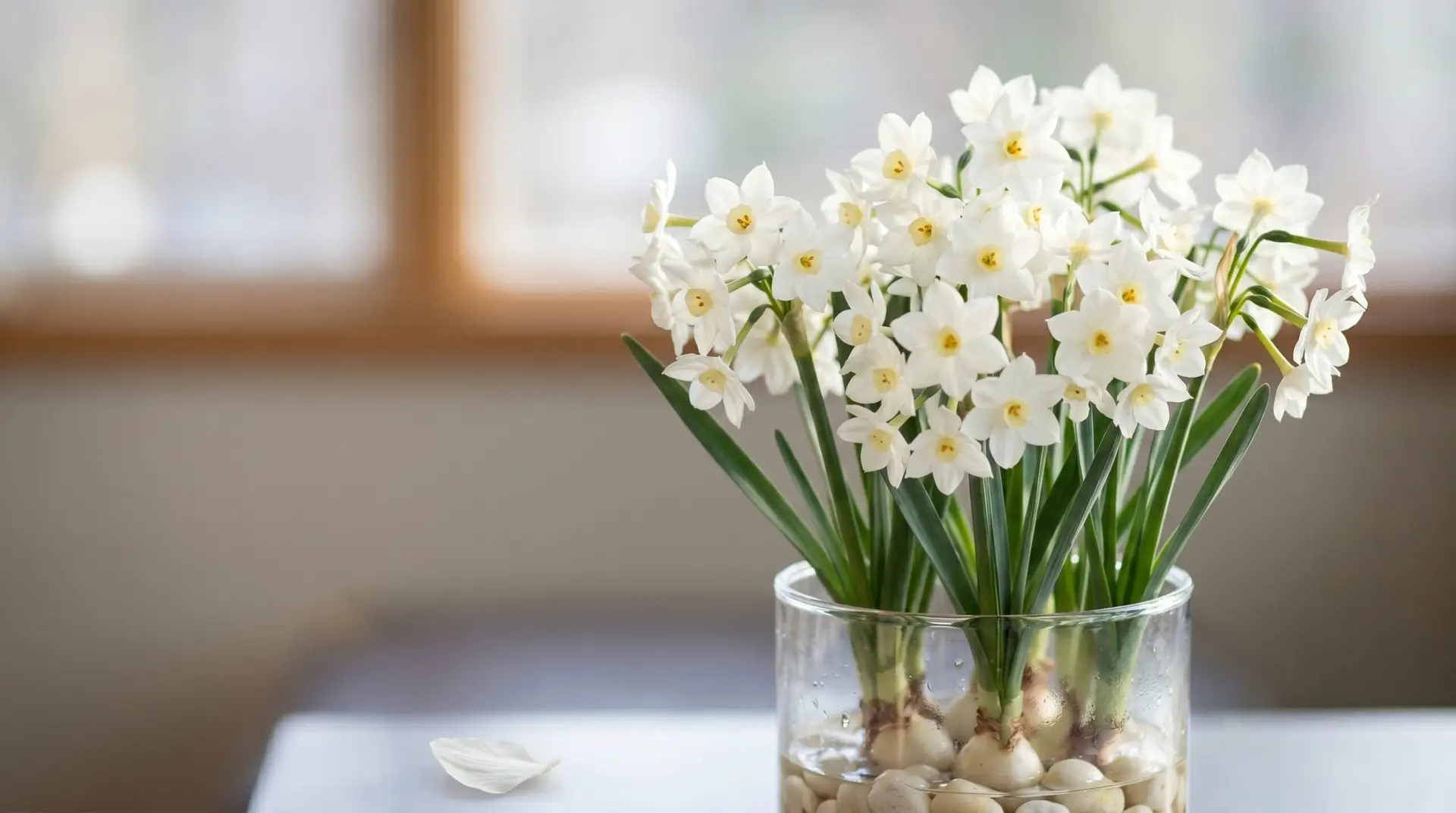
Narcissus & Holly
Symbolises: Hope, protection and goodwill
Narcissus brings a bright, sweet fragrance to the darkest month and carries connotations of hope and self-renewal. Holly with its evergreen leaves and vivid berries is associated with protection, goodwill and festive warmth.
Gift idea
Paperwhite narcissus bulbs are easy to force indoors and make a fragrant, personal December gift.
How to Choose a Meaningful Birth Flower Gift
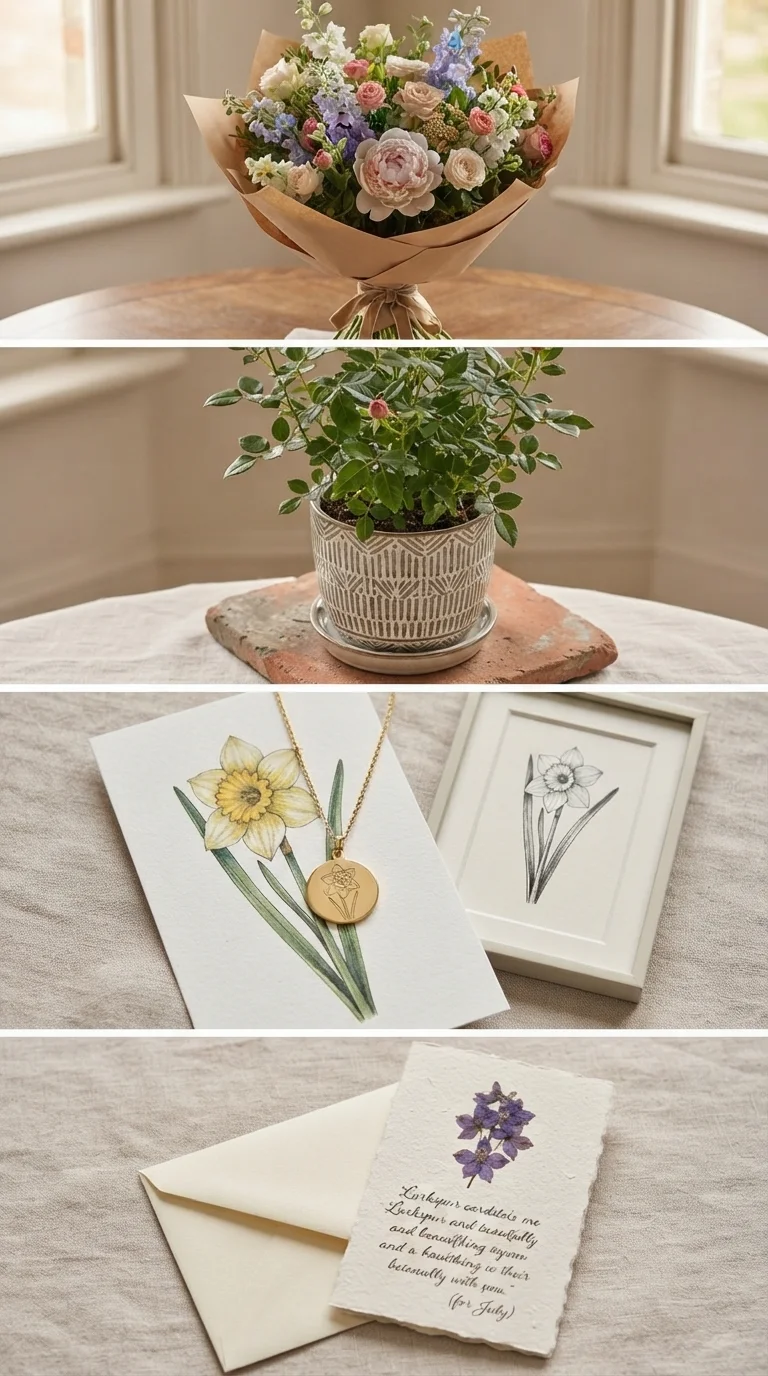
A Flexible Tradition, Not a Rulebook
Birth flower lists vary by culture, country and florist. A meaning may also change depending on colour and context. It is completely reasonable to choose the primary flower, a recognised alternative or simply the bloom that feels most personal to the recipient.
Frequently Asked Questions
What is my birth flower?
Your birth flower is the flower traditionally associated with your birth month. Use the month finder near the top of this page or browse the month-by-month guide to see the flower and its commonly accepted meaning.
Why do some months have two birth flowers?
Birth flower traditions developed across different countries and periods. Some months therefore have a primary flower and one or more widely accepted alternatives.
What is the September birth flower?
September’s birth flowers are aster and morning glory. Asters commonly represent wisdom, faith and patience, while morning glories are associated with affection and fresh intentions.
What is the November birth flower?
The November birth flower is the chrysanthemum. It is often connected with joy, loyalty, honesty and lasting friendship, although meanings can differ by colour and culture.
What is the June birth flower?
June’s birth flowers are rose and honeysuckle. Roses are associated with love and beauty, while honeysuckle adds ideas of devotion and strong emotional bonds.
Are birth flowers different from zodiac flowers?
Yes. Birth flowers are linked with calendar months, while zodiac flowers are connected with astrological signs. Because zodiac date ranges span parts of two months, the lists do not always match.
Can I choose a different birth flower?
Yes. The tradition is flexible and varies by region. Choose the recognised alternative, colour or flower that feels most meaningful to you or the person receiving the gift.
Are birth flowers safe for pets?
Not always. Several traditional flowers can be toxic if eaten by pets or people. Check the exact plant with a florist, nursery or veterinary source before giving a living plant to a household with children or animals.