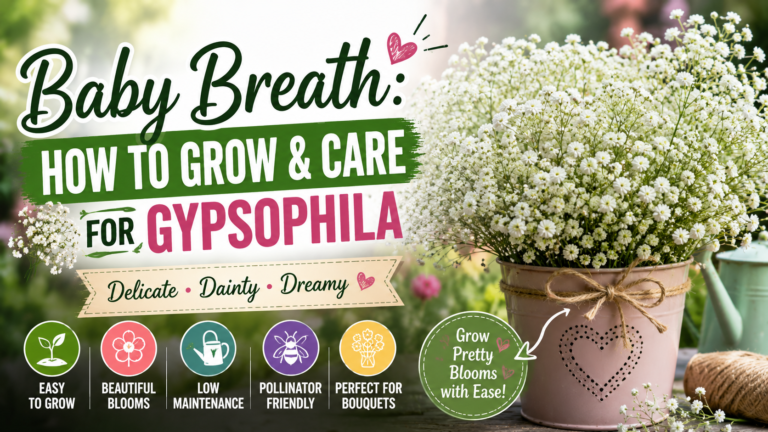
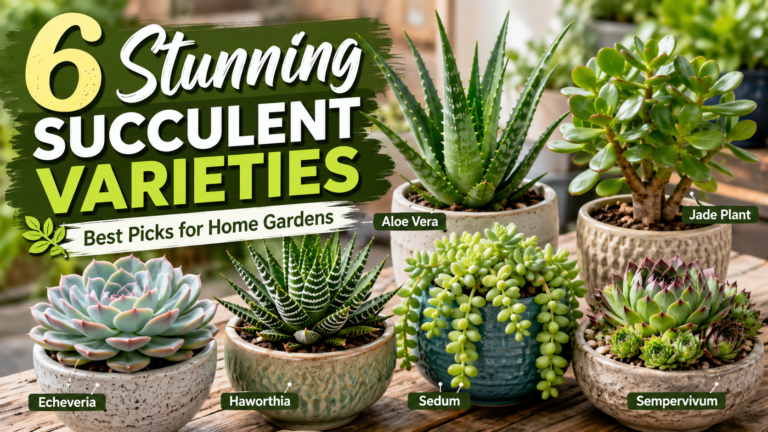
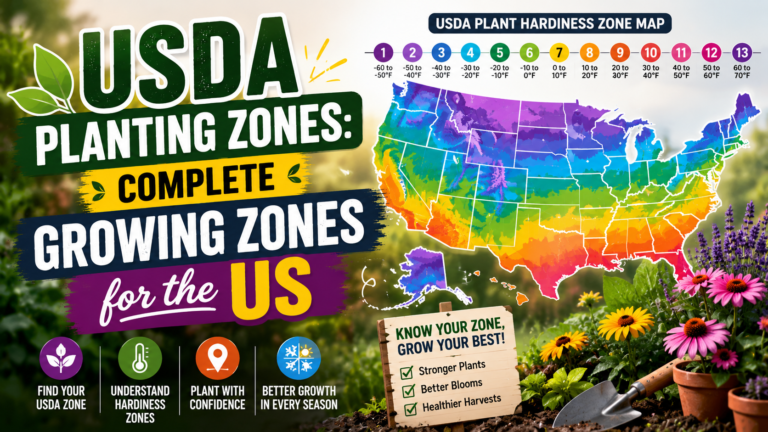
Discover different types of flowers — from pretty roses to easy-grow zinnias — and learn which beautiful flowers suit your climate, bloom season, and garden style.
Few things bring as much joy as stepping into a garden bursting with color. Whether you’re a beginner planting your first flower bed or a seasoned gardener looking for fresh inspiration, understanding different types of flowers is the first step toward creating a garden that truly transforms your outdoor space.
In this guide, we’ll explore beautiful flowers suited for every climate and skill level. You’ll learn about pretty flowers that bloom from spring through autumn, discover which different flowers attract pollinators, and find low-maintenance options that deliver stunning results with minimal effort. Let’s dig in.
What Are Flowers and Why Do They Matter in Your Garden?

Flowers are the reproductive structures of flowering plants (angiosperms). Beyond their biological role, they serve as the visual heart of any garden — providing color, fragrance, texture, and seasonal interest. Different types of flowers attract beneficial insects like bees and butterflies, support local ecosystems, and can even improve your mental wellbeing.
From a practical standpoint, incorporating a variety of flowers types into your landscape creates year-round interest, fills gaps between shrubs, and adds layers of height and color that make even small gardens feel abundant and designed.
Different Types of Flowers: A Quick Overview
Before choosing specific beautiful flowers, it helps to understand the main categories. Each flower type has different growth habits, lifespans, and care needs:
Annual flowers complete their life cycle in one season — they germinate, bloom, set seed, and die within a single year. Examples include marigolds, zinnias, and cosmos. They provide non-stop color but need replanting each year. Perennial flowers return year after year from the same root system. Roses, lavender, coneflowers, and peonies are popular perennials that reward patience with bigger displays each season. Bulb flowers grow from underground storage organs and include tulips, lilies, and dahlias. Plant them once and many varieties naturalize, multiplying over time. Flowering shrubs like hydrangeas and hibiscus provide structure and large-scale blooms. Climbing flowers such as clematis and wisteria add vertical interest to walls and trellises. Wildflowers are native or naturalized species that thrive with minimal intervention — perfect for meadow-style gardens.
14 Beautiful Flowers for Every Garden
Here are some of the most pretty flowers that gardeners love — each chosen for its beauty, versatility, and ease of care. We’ve included key details to help you decide which different flowers fit your garden conditions.
1. Rose (Rosa spp.)
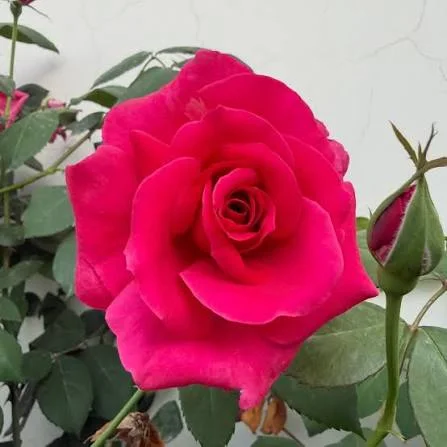
The queen of flowers. Roses bloom from late spring through frost in most climates (USDA Zones 3–11 depending on variety). They need full sun (6+ hours), regular watering, and well-drained soil. Modern shrub roses like Knock Out® are disease-resistant and beginner-friendly. Bloom season: Late spring to autumn. Maintenance: Moderate. Pollinator benefit: Attracts bees.
2. Tulip (Tulipa spp.)

Nothing says spring like tulips. These bulb flowers come in virtually every color and bloom for 1–3 weeks in early to mid-spring. Plant bulbs in autumn in Zones 3–8 (they need winter chill). Full sun to light shade, well-drained soil. Bloom season: Spring. Maintenance: Low. Tip: Plant at 3× the bulb’s depth for best results.
3. Sunflower (Helianthus annuus)
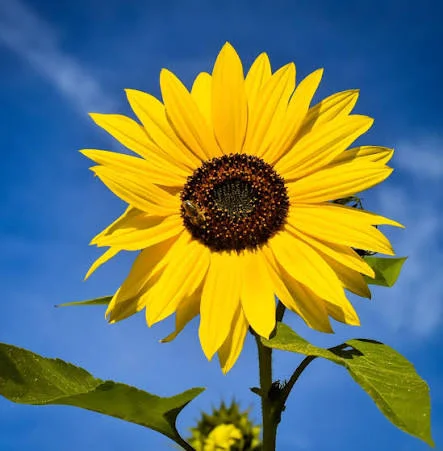
Bold, cheerful, and incredibly easy to grow from seed. Sunflowers thrive in full sun and tolerate poor soil. Dwarf varieties reach 30cm while giants top 3 metres. Direct sow after last frost. Bloom season: Summer to early autumn. Maintenance: Very low. Pollinator benefit: Seeds feed birds; flowers attract bees. Zones 2–11.
4. Lavender (Lavandula spp.)
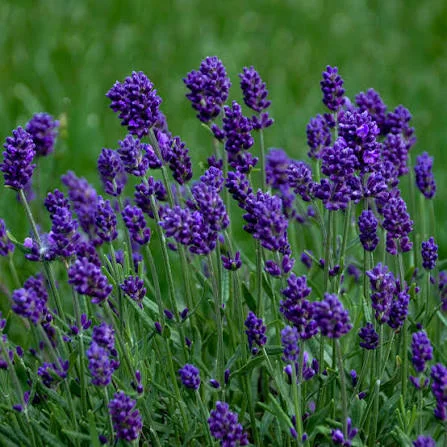
Fragrant, drought-tolerant, and loved by bees — lavender is a must for sunny, well-drained spots. English lavender (L. angustifolia) is hardy to Zone 5; French lavender suits warmer climates. Full sun, lean soil, minimal watering once established. Bloom season: Late spring to summer. Maintenance: Low. Prune after flowering to keep compact.
5. Peony (Paeonia spp.)

Peonies produce lush, fragrant blooms in late spring and can live for 50+ years. They need full sun, rich soil, and winter chill (Zones 3–8). Plant with eyes just 2–5cm below soil surface. Bloom season: Late spring. Maintenance: Low once established. Tip: Support heavy blooms with peony rings.
6. Hydrangea (Hydrangea spp.)
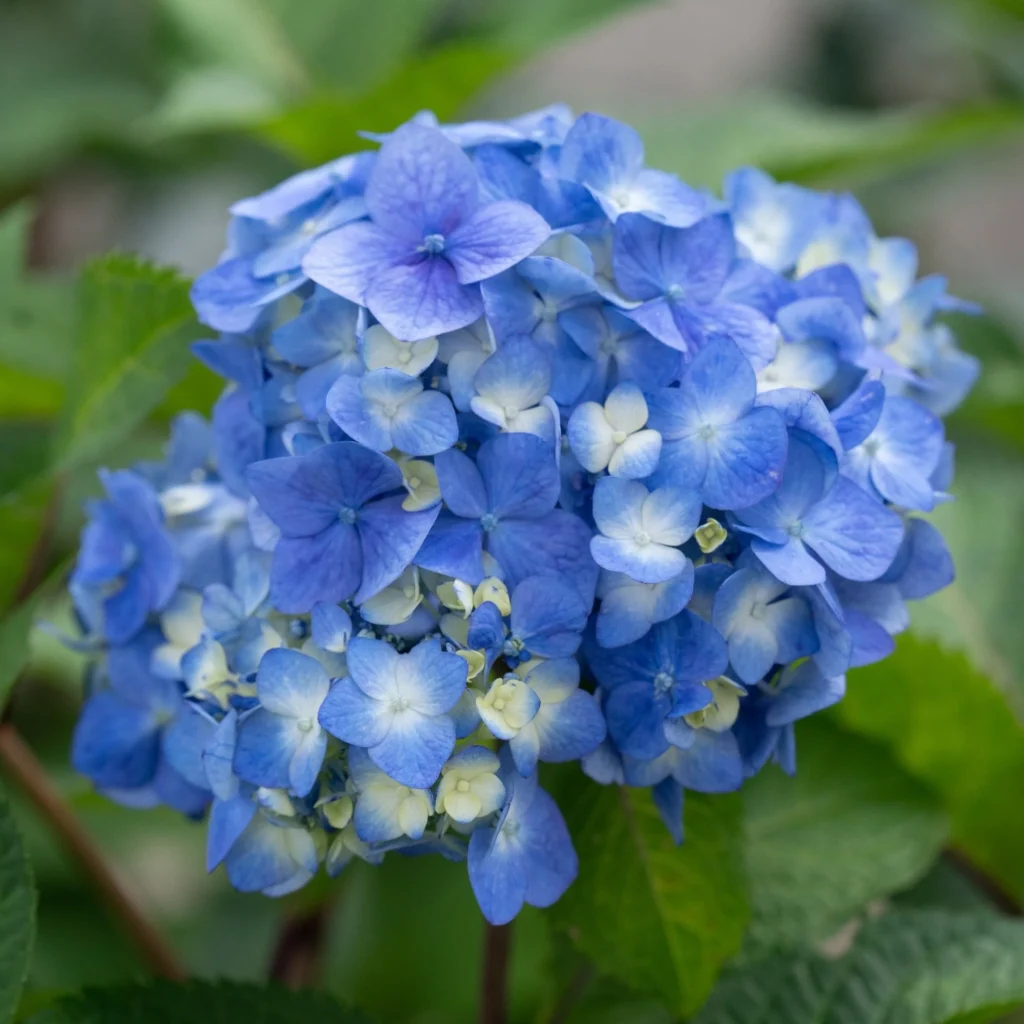
Hydrangeas are flowering shrubs that deliver massive flower heads from summer into autumn. They prefer morning sun with afternoon shade, rich moist soil, and regular watering. Blue or pink blooms depend on soil pH — acidic soil produces blue, alkaline produces pink. Zones 3–9. Bloom season: Summer to autumn. Maintenance: Moderate.
7. Daisy (Bellis perennis)

Classic, cheerful, and virtually indestructible. Shasta daisies (Leucanthemum × superbum) bloom all summer in Zones 4–9. Full sun, average soil, drought-tolerant once established. Deadhead regularly for continuous blooms. Bloom season: Summer. Maintenance: Very low. Pollinator benefit: Attracts butterflies.
8. Lily (Lilium spp.)
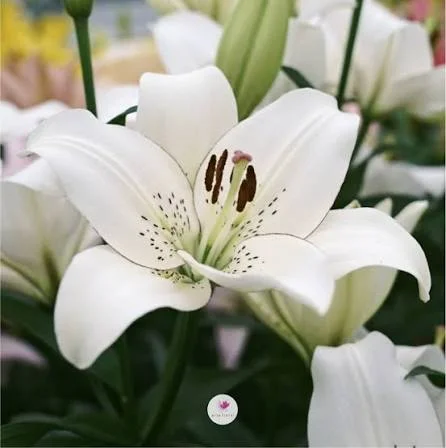
Lilies are elegant bulb flowers available in Asiatic, Oriental, and trumpet varieties. They bloom in sequence from early to late summer, offering weeks of fragrant colour. Full sun, well-drained soil, Zones 3–9. Plant bulbs in autumn or early spring. Bloom season: Summer. Maintenance: Low. Tip: Mulch to keep roots cool.
9. Marigold (Tagetes spp.)
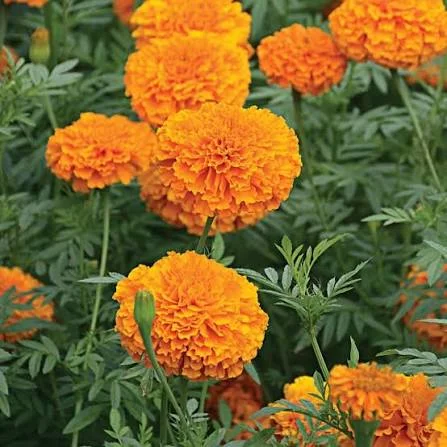
Marigolds are the ultimate beginner annual — fast-growing, pest-deterring, and blooming non-stop until frost. Full sun, any well-drained soil. French marigolds stay compact (20–30cm); African marigolds grow tall (60–90cm). Bloom season: Summer to frost. Maintenance: Very low. Bonus: Their scent repels aphids and whiteflies from vegetable gardens.
10. Dahlia (Dahlia spp.)

Dahlias are the showstoppers of late summer and autumn gardens. From dinner-plate-sized blooms to compact pompons, there’s a dahlia for every space. Plant tubers after last frost in full sun, rich soil. Zones 8–11 (lift tubers in colder zones). Bloom season: Midsummer to frost. Maintenance: Moderate — stake tall varieties and deadhead regularly.
11. Zinnia (Zinnia elegans)
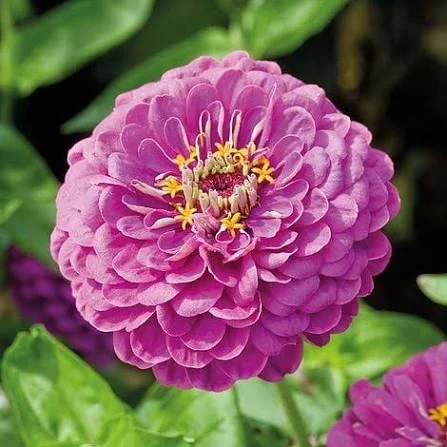
Zinnias are heat-loving annuals that bloom prolifically from direct-sown seed in just 60 days. Available in every colour except blue, they’re a magnet for butterflies. Full sun, average soil, water at soil level to prevent mildew. Bloom season: Summer to frost. Maintenance: Very low. Perfect for cut flower gardens and pollinator borders.
12. Coneflower (Echinacea)

Native to North America, coneflowers are tough perennials that thrive in heat, drought, and poor soil. Their daisy-like blooms attract bees and butterflies, while seed heads feed birds in winter. Full sun, Zones 3–9. Bloom season: Summer to autumn. Maintenance: Very low. Leave spent flower heads for winter wildlife interest.
13. Cosmos (Cosmos bipinnatus)
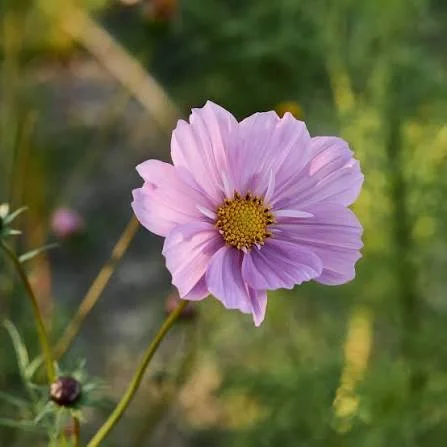
Cosmos are graceful, airy annuals that sway in the breeze and bloom non-stop from summer to frost. They thrive in poor soil (rich soil produces foliage at the expense of flowers) and full sun. Direct sow after frost. Bloom season: Summer to frost. Maintenance: Very low. Self-seeds freely for next year’s display.
14. Hibiscus (Hibiscus rosa)
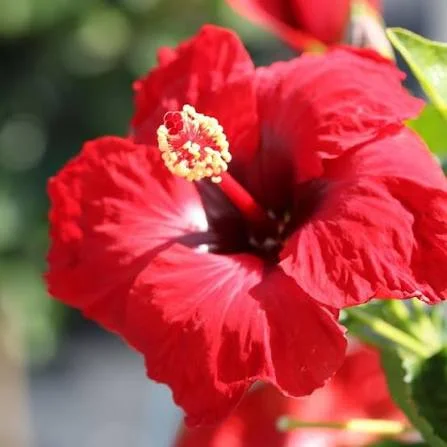
Tropical hibiscus produces stunning dinner-plate blooms in fiery reds, oranges, pinks, and yellows. In warm climates (Zones 9–11) they grow as evergreen shrubs; in cooler zones, grow as annuals or bring containers indoors for winter. Full sun, moist soil, regular feeding. Bloom season: Summer. Maintenance: Moderate. Hardy hibiscus (H. moscheutos) survives to Zone 4.
How to Choose the Right Flowers for Your Garden
Selecting the right flowers types starts with understanding your conditions. Assess your garden’s sunlight (full sun = 6+ hours direct light, part shade = 3–6 hours, full shade = under 3 hours). Check your USDA hardiness zone or equivalent climate zone to ensure your chosen plants survive winter. Test your soil pH and drainage — most flowers prefer slightly acidic to neutral, well-drained soil.
Consider your time commitment. If you want a stunning garden with minimal effort, focus on native perennials and self-sowing annuals. For maximum color impact, combine different flowers that bloom in succession — tulips in spring, roses and lavender in summer, dahlias and chrysanthemums in autumn. Plan color schemes that complement your home’s exterior and create cohesive beds rather than random scattering.
Beautiful Flowers by Bloom Season

Spring bloomers: Tulips, daffodils, pansies, peonies, and bleeding hearts kick off the season with fresh colour after winter. Plant spring bulbs in autumn for reliable displays. Summer stars: Roses, lavender, sunflowers, zinnias, lilies, daisies, and marigolds deliver the biggest show. Most need full sun and regular watering during hot spells.
Autumn beauties: Dahlias, chrysanthemums, asters, and Japanese anemones carry colour into the cooler months. Many autumn perennials benefit from being cut back in early summer to encourage bushier growth and later flowering. Winter interest: In mild climates, camellias, winter jasmine, hellebores, and snowdrops provide blooms when most gardens are dormant.
Flowers That Attract Pollinators
Creating a pollinator-friendly garden supports bees, butterflies, and hummingbirds while improving fruit and vegetable yields nearby. The best pollinator flowers are single-petalled (not double), rich in nectar, and bloom in succession so there’s always food available. Top choices include lavender, coneflower, cosmos, zinnias, sunflowers, and salvia.
Butterflies love flat-topped flowers where they can land easily — try zinnias, marigolds, and coneflowers. Hummingbirds are drawn to tubular red and orange flowers like salvia, fuchsia, and trumpet vine. Bees prefer blue and purple blooms — lavender, borage, and catmint are excellent choices. Avoid pesticides and provide a shallow water source for visiting pollinators.
Low-Maintenance Beautiful Flowers for Beginners

If you’re new to gardening or short on time, focus on flowers that practically grow themselves. Marigolds, zinnias, cosmos, and sunflowers are annuals you can direct-sow and largely ignore. Among perennials, coneflowers, daylilies, black-eyed Susans, and catmint return reliably with almost no intervention — just cut back once in late winter.
Drought-tolerant choices for hot, dry climates include lavender, yarrow, sedum, and Russian sage. These thrive in lean soil and actually perform worse with too much water or fertiliser. For shady spots, hostas (foliage), astilbe, and hellebores provide colour without demanding sun. The key: match the plant to your conditions rather than fighting nature.
Common Flower Gardening Mistakes to Avoid
Overwatering is the number one killer of garden flowers — more plants die from soggy roots than drought. Water deeply but infrequently, and always check soil moisture before reaching for the hose. Poor spacing is another common issue: crowded plants compete for light and airflow, promoting fungal disease. Follow the spacing guidelines on plant labels.
Planting sun-loving flowers in shade (or vice versa) leads to leggy, flowerless plants. Always observe your garden’s light patterns before choosing. Ignoring soil quality is equally problematic — a simple soil test reveals pH and nutrient levels, helping you amend appropriately. Finally, planting outside suitable seasons stresses young plants. Follow local planting calendars based on your last frost date.
Essential Flower Care Tips

Watering: Most flowers need 2–3cm of water per week. Water early morning at soil level to reduce evaporation and fungal issues. Fertilising: Feed annuals monthly with balanced liquid fertiliser; perennials benefit from compost topdressing in spring. Mulching: Apply 5–7cm of organic mulch around plants to retain moisture, suppress weeds, and regulate soil temperature.
Deadheading: Removing spent blooms redirects energy into new flowers rather than seed production — essential for roses, dahlias, and zinnias. Pruning: Cut back perennials in late winter before new growth emerges. Pest management: Encourage beneficial insects, handpick pests when possible, and use targeted organic treatments only when necessary. Healthy soil grows healthy, pest-resistant plants.
Frequently Asked Questions
Which flower blooms the longest?
Zinnias, marigolds, and coneflowers are among the longest-blooming flowers, providing colour from early summer until the first hard frost — often 3–4 months of continuous blooms with regular deadheading.
What are the easiest flowers to grow for beginners?
Sunflowers, marigolds, zinnias, and cosmos are the easiest annuals — just scatter seeds in sunny soil after frost. For perennials, coneflowers, daylilies, and black-eyed Susans are nearly indestructible once established.
Which flowers come back every year?
Perennials return annually from the same roots. Reliable options include roses, lavender, peonies, coneflowers, daylilies, hostas, and hydrangeas. Many bulbs (tulips, daffodils, lilies) also return if planted in suitable zones.
Which flowers attract butterflies and bees?
Lavender, coneflowers, zinnias, cosmos, sunflowers, and salvia are top pollinator magnets. Choose single-petalled varieties over doubles, as bees and butterflies can access nectar more easily.
Can I grow beautiful flowers in containers?
Absolutely. Petunias, geraniums, marigolds, dwarf dahlias, lavender, and miniature roses all thrive in pots. Use quality potting mix with good drainage and water more frequently than in-ground plants, as containers dry out faster.
What flowers grow best in full shade?
Impatiens, begonias, astilbe, bleeding hearts, and hellebores perform well in shade. Hostas provide excellent foliage interest. No flower blooms as heavily in full shade as in sun, but these shade-lovers still produce lovely displays.
Which flowers need the least water?
Lavender, coneflower, yarrow, sedum, Russian sage, and blanket flower (Gaillardia) are all drought-tolerant once established. They prefer lean, well-drained soil and actually suffer from overwatering.