
A hands-on guide from 20+ years of growing palms in containers, courtyards, and living rooms.
Palm trees are among the most rewarding plants a home gardener can grow. Whether you have a sunny patio, a bright living room corner, or a sprawling backyard, there’s a palm variety that fits your space and climate perfectly.
In this guide, I’m sharing the five palm varieties I recommend most — based on my personal experience growing each one, their adaptability to home environments, and how forgiving they are for beginners. Let’s find your perfect palm.
1. Areca Palm (Dypsis lutescens)
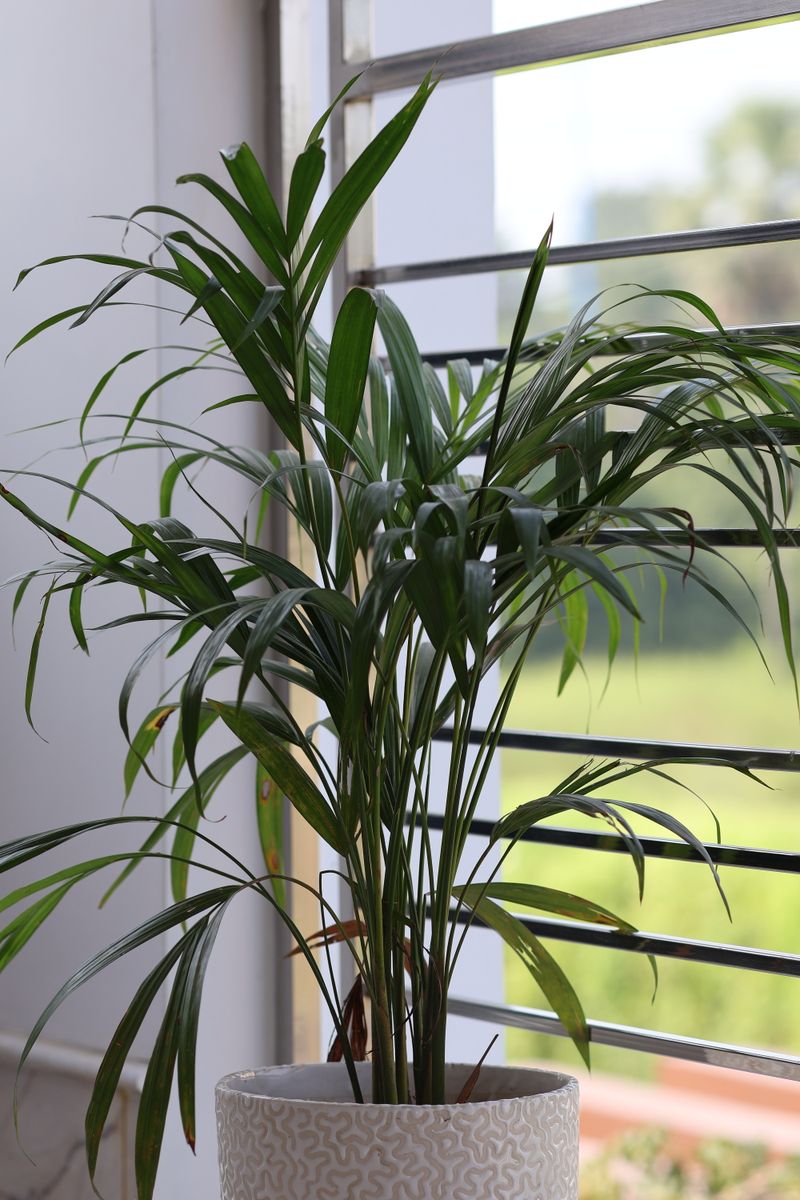
The Areca Palm is the quintessential indoor palm. Its feathery, arching fronds bring instant tropical energy to any room. It thrives in bright, indirect light and appreciates consistent moisture without waterlogging. NASA even listed it among the top air-purifying plants.
💡 Pro Tip: Mist the fronds twice weekly in winter when indoor heating dries the air. Brown tips are almost always a humidity issue, not a watering one.
“My first Areca was a grocery-store rescue in 2003. It’s still alive today — over 2 metres tall — and has been divided into three separate pots. That’s the beauty of this palm: it’s genuinely forgiving.” — Linda
2. Majesty Palm (Ravenea rivularis)
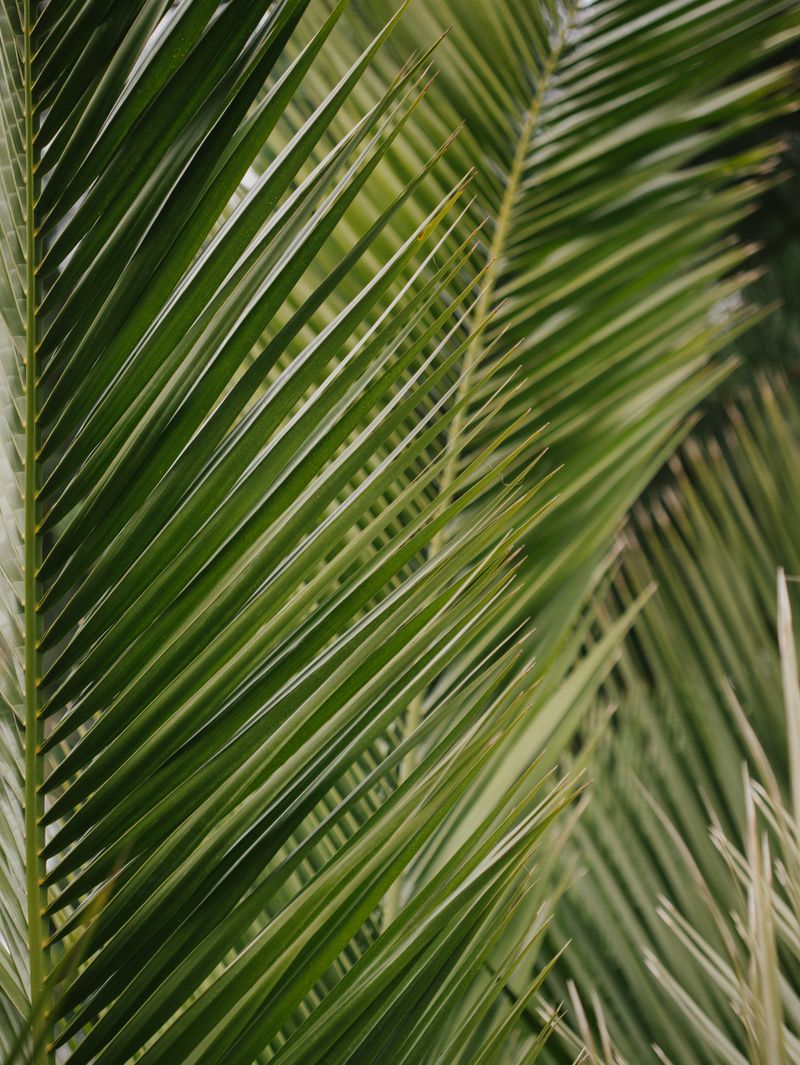
Majesty Palms are the drama queens of the palm world — tall, elegant, and slightly demanding. They want bright light, high humidity, and acidic soil. When happy, they reward you with graceful, upward-sweeping fronds that can reach 3 metres indoors.
💡 Pro Tip: Use a soil mix with extra peat and feed with an iron-rich fertilizer in spring. Yellowing lower fronds usually signal iron deficiency, not overwatering.
“I’ll be honest — I killed my first two Majesty Palms. The third survived once I moved it next to a humidifier and stopped using alkaline tap water. Now it’s the centrepiece of my living room.” — Linda
3. Pygmy Date Palm (Phoenix roebelenii)
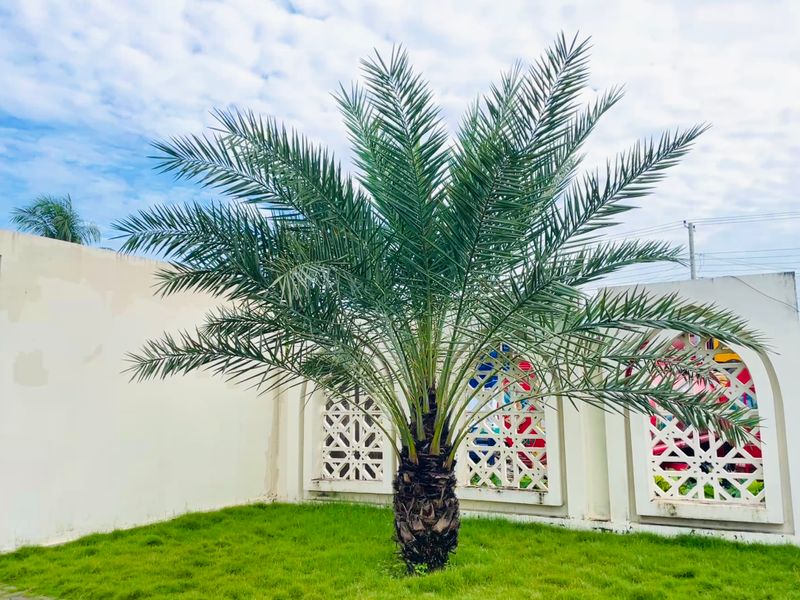
Compact yet elegant, the Pygmy Date Palm tops out at about 2 metres — making it ideal for patios, courtyards, and large containers. Its fine-textured, arching fronds give a soft, graceful silhouette. It handles full sun to partial shade and is surprisingly cold-tolerant down to -3°C.
💡 Pro Tip: Watch for the sharp spines near the base of the fronds when pruning. Thick gardening gloves are non-negotiable — I learned this the hard way.
“I have three Pygmy Dates lining my courtyard path. They’ve survived summers of neglect and unexpected frost. If you want a ‘plant it and forget it’ palm for outdoors, this is the one.” — Linda
4. Chinese Fan Palm (Livistona chinensis)
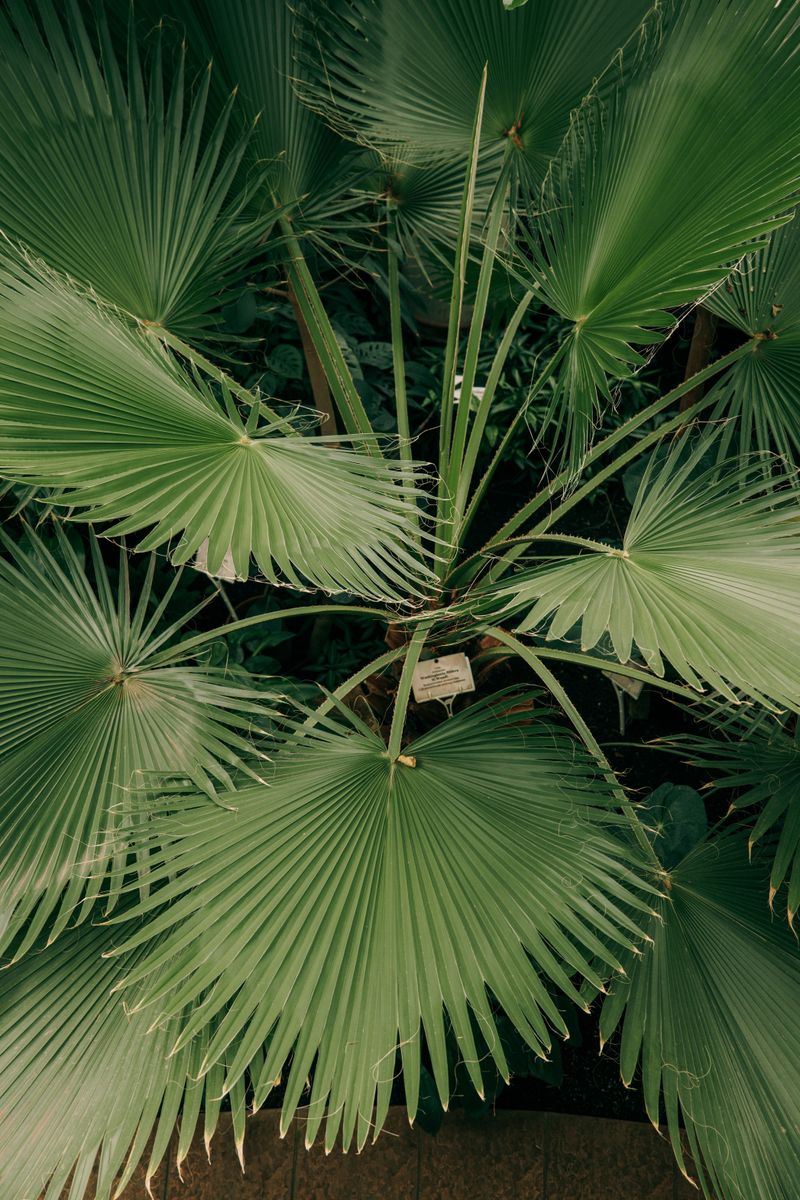
Fan palms add architectural drama with their wide, circular fronds. The Chinese Fan Palm is one of the most adaptable — tolerating low light indoors, moderate drought, and a range of soil types. Young plants are excellent tabletop specimens; mature ones become stunning floor plants.
💡 Pro Tip: Rotate the pot quarterly so the crown develops evenly. Fan palms will lean dramatically toward their light source if left in one position.
“I grew a Chinese Fan Palm from a seed I collected in a botanical garden in 2010. Sixteen years later it’s over 1.5 metres and still in its original ceramic pot. Slow but steady — and absolutely stunning.” — Linda
5. Coconut Palm (Cocos nucifera)
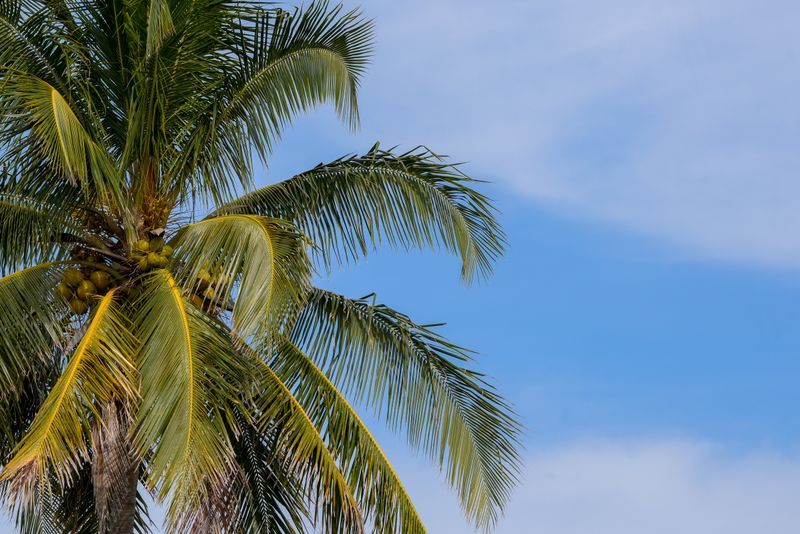
The iconic Coconut Palm is the ultimate tropical statement — but it’s strictly for warm climates (USDA zones 10–12) or heated conservatories. It demands full sun, warmth above 18°C year-round, and sandy, well-draining soil. In the right conditions, it grows fast and can fruit within 6–10 years from seed.
💡 Pro Tip: If growing indoors, supplement with a full-spectrum grow light for at least 6 hours daily. Without adequate light, coconut palms stretch, yellow, and decline within a year.
“I sprouted a coconut from a farmers’ market fruit in 2018. It lived in my conservatory for four years before I planted it outdoors in a sheltered south-facing wall bed. It’s thriving — but I’m realistic that fruiting is unlikely in my climate.” — Linda
Choosing Your Perfect Palm
Every palm on this list has earned its place through years of real-world testing in my own home and garden. Start with an Areca if you’re new to palms — it’s the most forgiving and rewarding. For outdoor drama, go Pygmy Date. And if you love a challenge, try a Coconut. Whatever you choose, remember: palms are patient plants. Give them time, consistent care, and the right light, and they’ll reward you for decades.