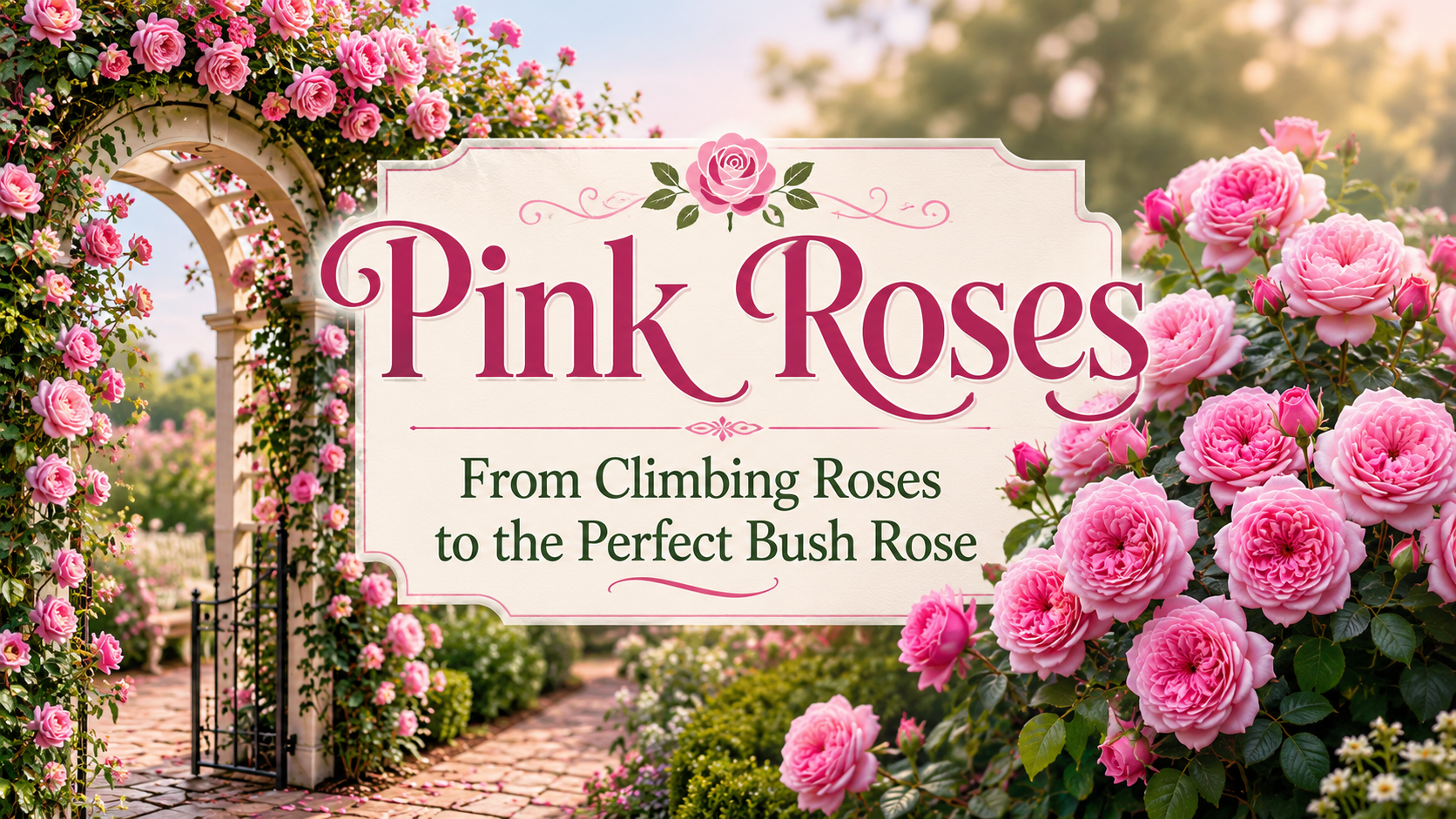

A practical guide to choosing a pink rose that suits your space, climate, and appetite for care—from romantic climbers to reliable compact shrubs.
If you have a fence, arch, or wall, start with a repeat-flowering pink climbing rose and allow room to train its long canes. For beds, borders, and easier upkeep, choose a disease-resistant shrub or floribunda rose. The right choice is not one universal “best” rose—it is the variety matched to your sunlight, winter temperatures, and available space.
What does a pink rose symbolize?
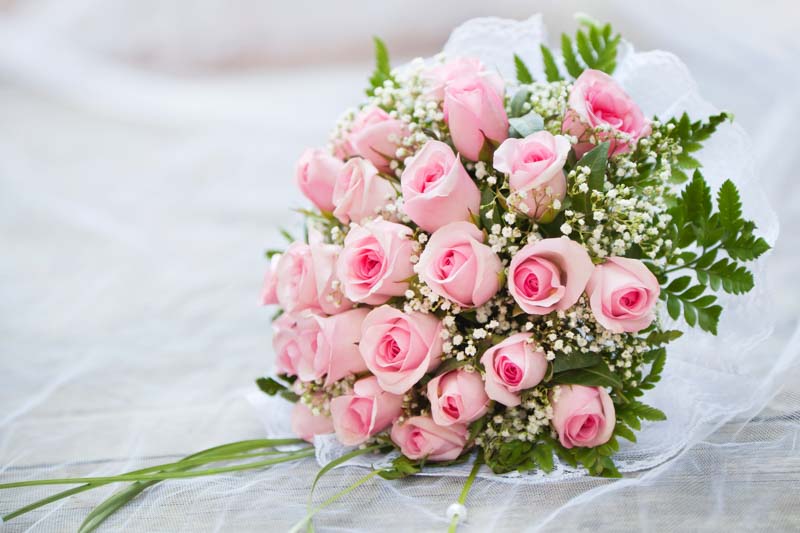
A pink rose is traditionally associated with affection, gratitude, admiration, and gentle romance. In a garden, rose pink shades are especially useful: pale shell-pink softens dark foliage, while deeper cerise varieties create a confident focal point without the visual intensity of bright red.
Colour can shift with weather and age. Cool nights often deepen a bloom, while strong summer sun may fade it. Treat catalogue photos as a helpful starting point, then look for local garden images and rose society notes to understand how a cultivar performs in your conditions.
The main types of pink roses
Rose labels describe growth habit more than quality. Mature measurements are approximate and vary with climate, soil, pruning, and rootstock, so always check the nursery label before planting.
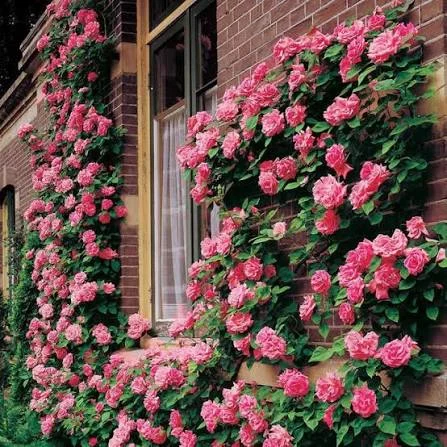
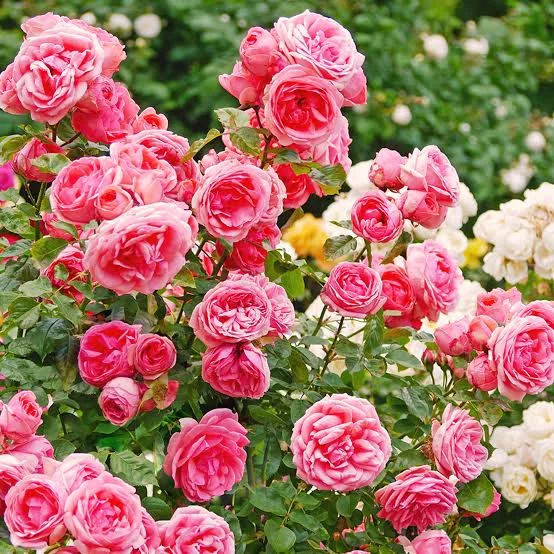
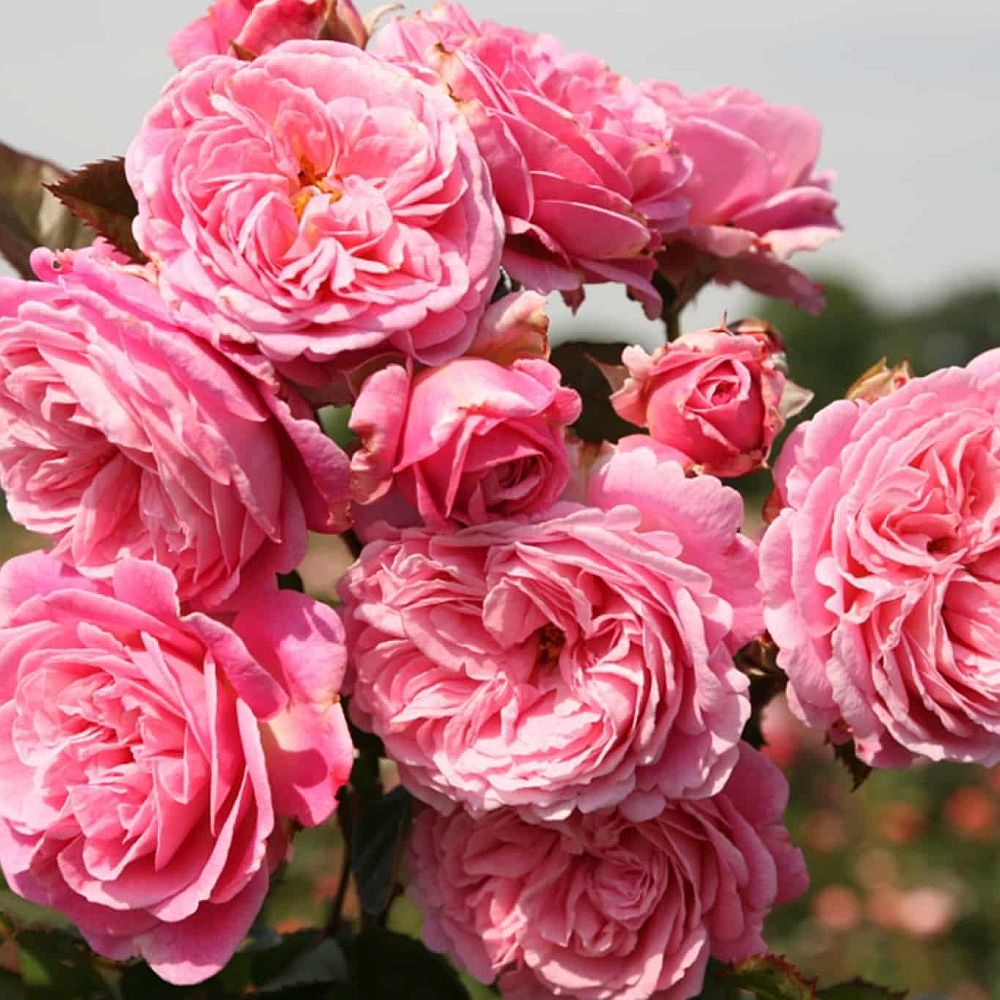
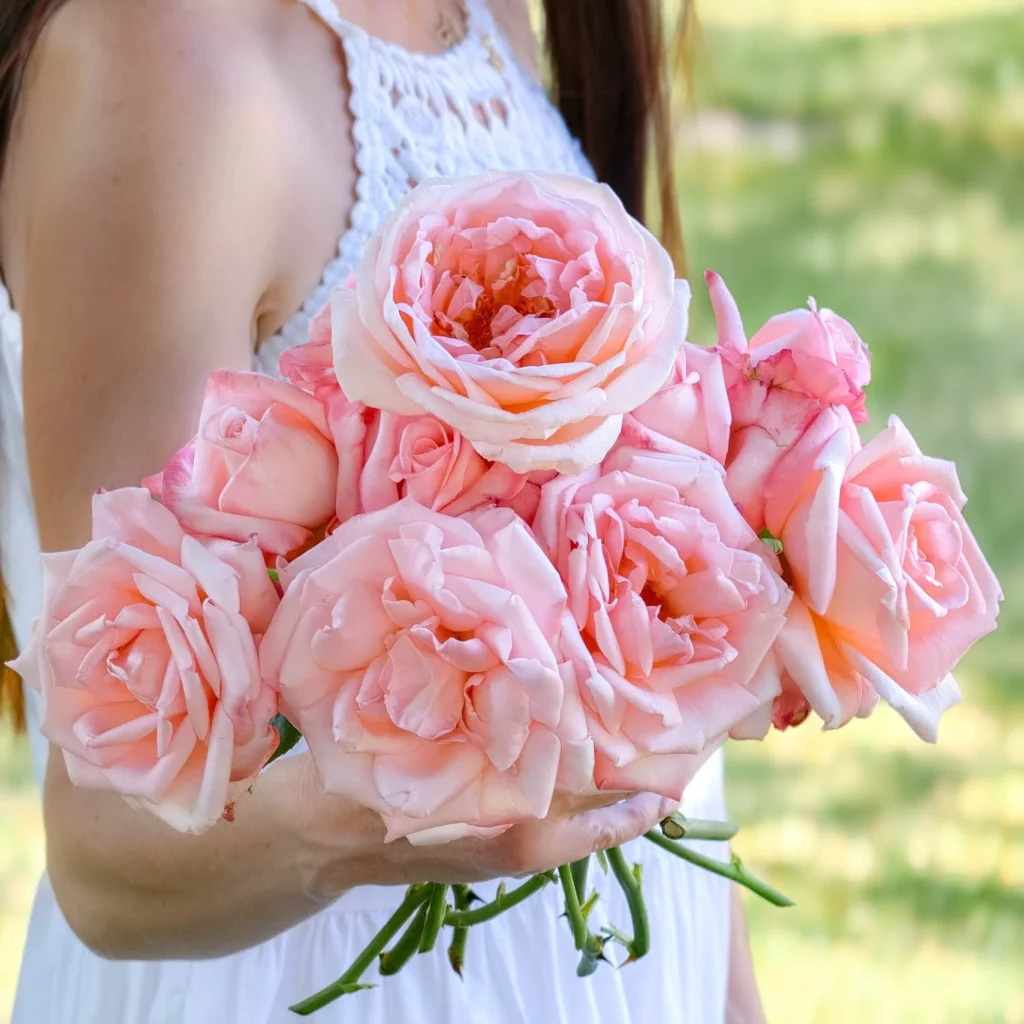
| Rose type | Typical mature size | Best use | What to expect |
|---|---|---|---|
| Climbing rose | 8–15 ft tall; 6–10 ft wide | Arches, fences, walls | Tie in canes; prune for structure |
| Shrub / bush rose | 3–6 ft tall and wide | Mixed borders, hedges | Usually forgiving and repeat-flowering |
| Floribunda | 2–4 ft tall; 2–3 ft wide | Long-season colour, pots | Clusters of blooms; deadhead regularly |
| Hybrid tea | 3–5 ft tall; 2–4 ft wide | Cut flowers, formal beds | Elegant stems, often more demanding |
Pink climbing roses for walls, fences, and arches
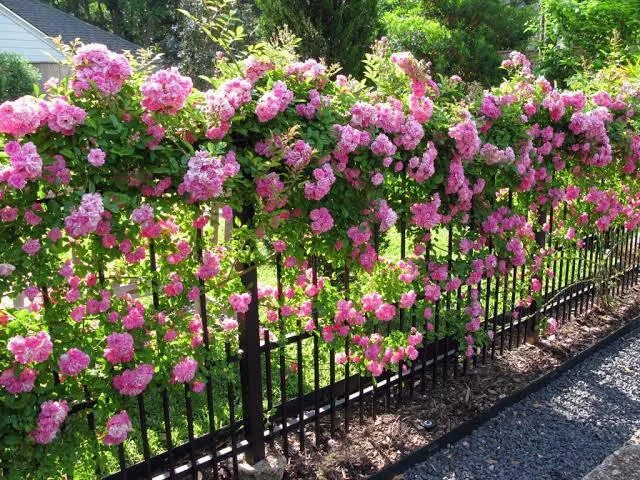
Climbing roses do not cling by themselves. Their long canes need to be tied to wires, a trellis, or an arch. Train flexible canes as close to horizontal as possible: this encourages more flowering side shoots along the cane. Rosa ‘Gertrude Jekyll’ is valued for rich fragrance and can reach roughly 8–10 feet in favorable conditions; ‘New Dawn’ is a classic pale-pink option known for vigour and repeat bloom. Both need space, airflow, and annual shaping.
A climber makes the biggest impact when its eventual width is planned for from the start.
Pink bush and shrub roses for dependable borders
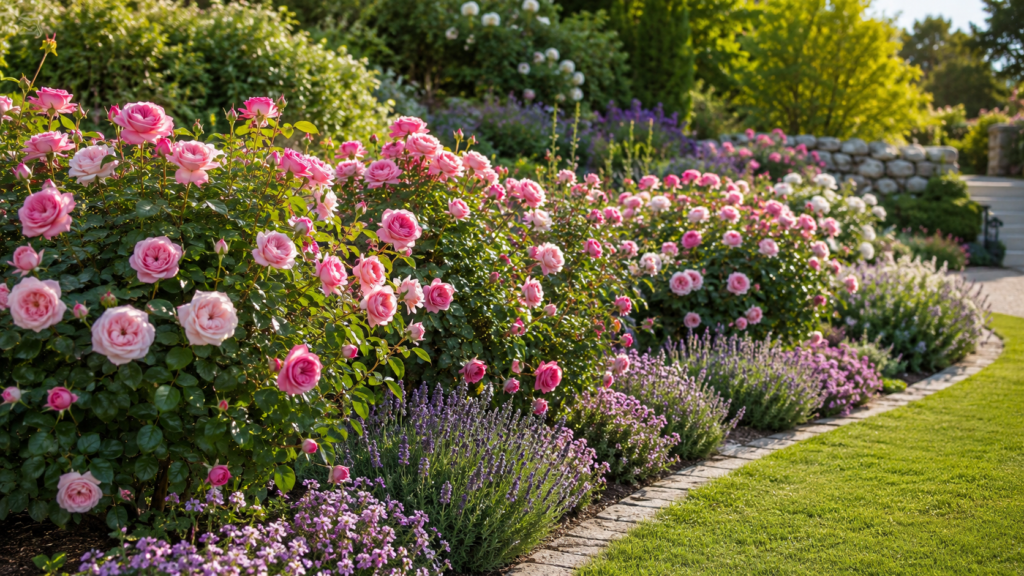
For most newer gardeners, a shrub rose is the easiest place to begin. It naturally forms a rounded plant, needs less precise training than a climber, and often offers a long run of flowers. Look for cultivars bred and trialled for disease resistance in your region. The Knock Out® family, for example, is widely grown for repeat flowering and practical resilience, though its performance and winter hardiness still vary by location.
A healthy shrub rose should have room around it for air to move through the foliage.
For fragrance: English-style and old-fashioned pink roses
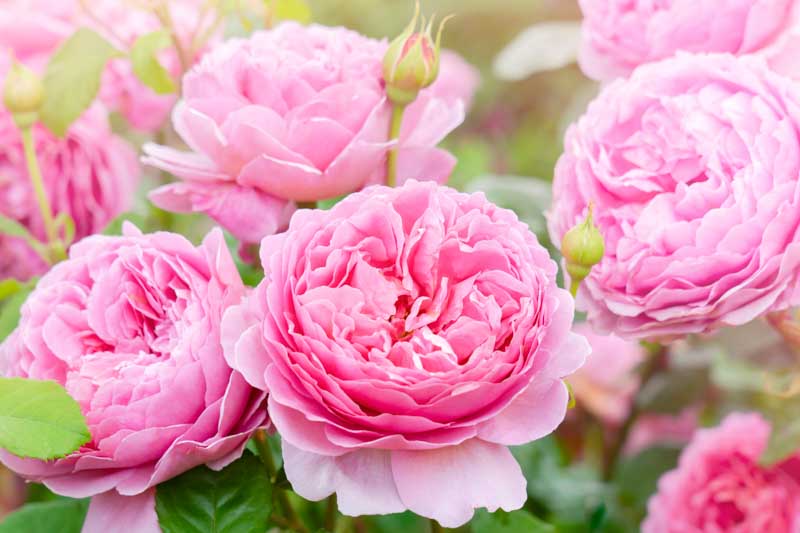
Fragrance is personal and weather-dependent, but many English and old rose forms are excellent choices for scent near a path or seating area. Rosa ‘Gertrude Jekyll’ is renowned for a classic old-rose perfume. ‘Olivia Rose Austin’ is often chosen for a softer pink flower, repeat bloom, and a more compact habit. Smell a flower at the nursery when possible; heat, humidity, and time of day all affect intensity.
Place fragrant roses where you will brush past them, rather than at the far end of the garden.
How to choose the right pink rose for your garden
Start with your site, not a flower photo. Measure the planting area, observe how many hours of direct sun it receives, and decide whether you are willing to prune and train long canes. Then use a local nursery or regional rose society list to check hardiness and disease notes.
For a fence or arch
Choose a repeat-flowering climber only if you can give it sturdy support and at least 6–8 hours of sun.
For a small bed or patio
Look for a compact floribunda or patio rose, usually 2–3 feet tall, in a large drainage-hole pot.
For perfume
Try an English-style shrub rose near a doorway or sitting area, but allow it room to mature.
For beginners
Choose a locally recommended disease-resistant shrub over a hybrid tea with a reputation for spray-dependent care.
Hardiness matters: check your USDA zone, RHS hardiness rating, or equivalent local guidance. A rose that thrives in a mild coastal climate may need winter protection—or may not survive—in a colder inland garden. Container roses need more frequent watering than roses planted in the ground.
Planting and caring for pink roses
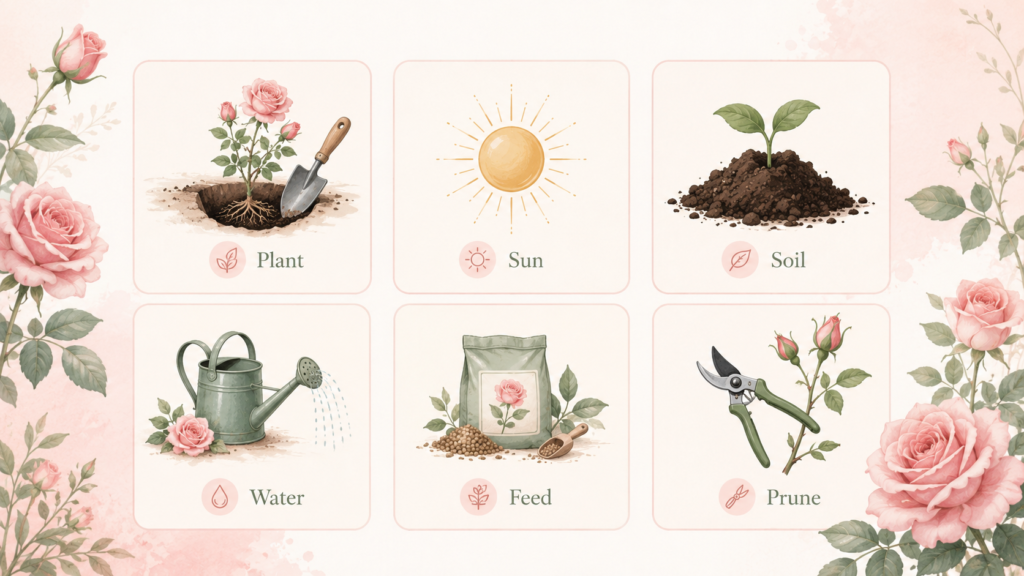
Roses are not difficult when their basics are met. Plant in a bright site with free-draining, fertile soil and avoid crowded corners where leaves remain damp. Bare-root roses are usually planted while dormant; container-grown roses can be planted in the growing season if watered carefully.
Prepare a generous planting hole, water in deeply, and mulch without burying the stems.
- Sun: aim for at least 6 hours of direct sun daily for best flowering and healthier foliage.
- Soil: improve poor ground with compost, but do not create a small, overly rich pocket surrounded by hard soil.
- Water: soak the root zone deeply during dry spells; water early and keep foliage as dry as practical.
- Feed: follow your local extension or fertilizer-label guidance. Do not push soft late-season growth in cold-winter climates.
- Prune: remove dead, damaged, and crossing stems in late winter or early spring. Climbers are shaped differently from bush roses, so retain healthy framework canes.
Common problems—and practical prevention
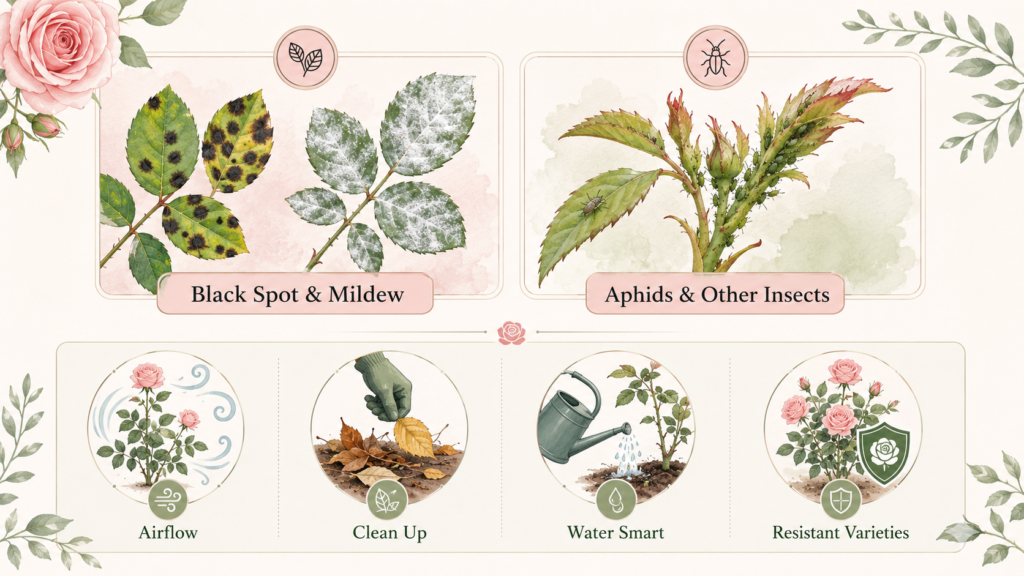
No rose is completely disease-proof. The most useful preventive steps are choosing a suitable cultivar, giving it sun and airflow, removing fallen diseased leaves, and avoiding repeated overhead watering. Seek local advice before using any pest or disease treatment, as products and guidance differ by country.
Black spot and powdery mildew
Black spot causes dark leaf lesions and premature leaf drop; mildew leaves a pale powdery coating. Improve spacing and sanitation first. If symptoms recur every year, replace a struggling plant with a resistant cultivar rather than relying solely on routine spraying.
Aphids and other insects
Aphids commonly gather on soft new shoots. Small populations are often managed by a firm spray of water or by allowing beneficial insects to feed. Avoid broad-spectrum insecticides that can harm pollinators and natural predators.
Frequently asked questions
Do pink roses flower repeatedly?
Many modern pink shrub roses, floribundas, and climbers repeat flower from late spring into autumn. Check the cultivar description for “repeat-flowering” or “remontant”; some old roses bloom only once in early summer.
Can pink roses grow in pots?
Yes. Choose a compact rose, use a substantial pot with drainage holes, and use a quality compost or potting mix. Pots dry out and freeze more quickly than garden soil, so watering and winter protection are more important.
How much should I prune a bush rose?
In late winter or early spring, remove dead and crossing wood, then shorten healthy stems to shape the plant. Exact pruning depends on the rose class and climate, so follow the breeder’s guidance for the cultivar rather than applying one rule to every rose.