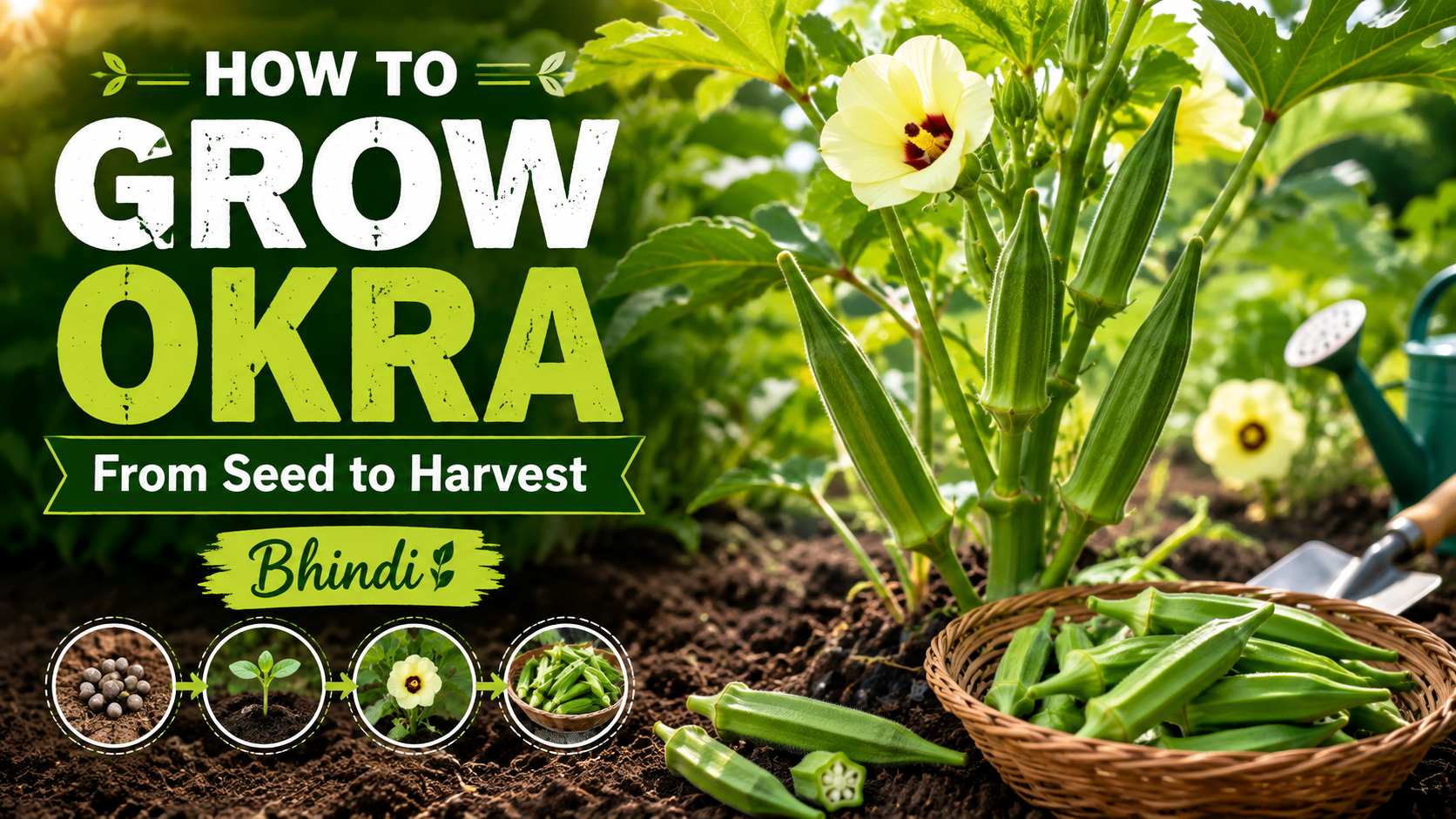
A complete guide based on 12+ years of growing okra in warm climates — from seed selection to your dinner table.
What Is Okra?
Okra (Abelmoschus esculentus), known locally as ‘bhindi’ across South Asia, is a warm-season vegetable prized for its tender green pods. Native to Africa, it thrives in hot climates where temperatures stay above 25°C — making it perfectly suited to Punjab, Sindh, and similar regions.
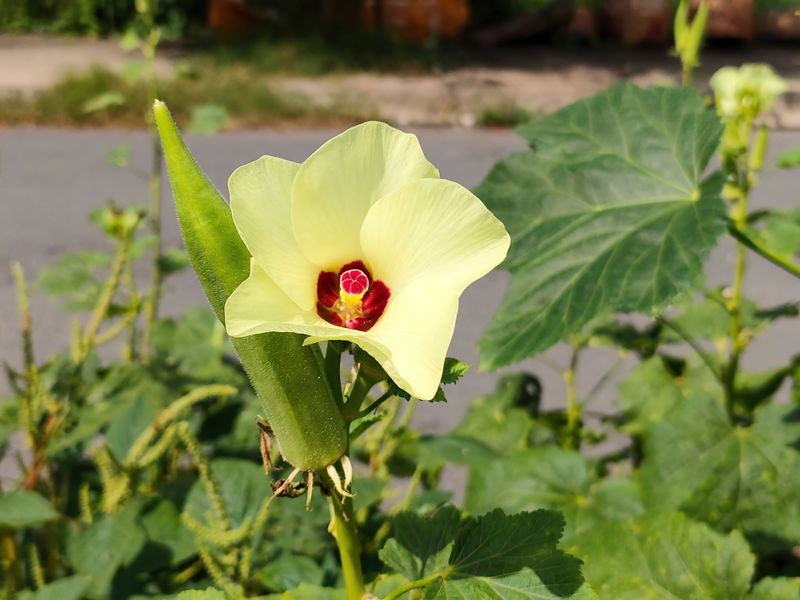
Beyond the kitchen, okra is a remarkably productive plant. A single healthy okra plant can yield 20–30 pods over its growing season. The plant also produces beautiful hibiscus-like flowers, making it an attractive addition to any kitchen garden.
🌱 From my experience: Okra is one of the most forgiving vegetables for beginner gardeners in warm climates. If you can give it full sun and consistent water, it will reward you generously.
How to Grow Okra Successfully
Growing okra starts with understanding its needs: full sunlight (6–8 hours minimum), well-drained soil with a pH of 6.0–6.8, and consistent warmth. In my garden in Punjab, I’ve found that direct sowing works best once soil temperature reaches 20°C — typically mid-February for spring planting.
Soil Preparation & Planting
Prepare beds with well-rotted compost mixed into the top 15 cm of soil. Soak seeds overnight in water to speed germination. Sow seeds 2 cm deep, spacing them 30–45 cm apart in rows 60 cm apart. Germination takes 7–14 days depending on soil warmth.
Watering & Feeding
Water deeply twice a week rather than shallow daily watering — this encourages deep root growth. Apply a balanced organic fertiliser every 3–4 weeks once plants reach 15 cm. Mulch around the base to retain moisture and suppress weeds.
Common Pests & Solutions
Watch for aphids on new growth and fruit borers in pods. Neem oil spray applied weekly is effective for aphids. For borers, remove and destroy affected pods immediately. Crop rotation each year reduces soil-borne diseases significantly.
💡 Pro tip: I soak my okra seeds in warm water for 12 hours before planting. This simple step has consistently improved my germination rate from about 60% to over 90%.
Harvesting Okra at the Right Time
Timing is everything with okra. Harvest pods when they are 7–10 cm long — typically 4–6 days after flowering. At this size, pods are tender and not fibrous. Once pods exceed 12 cm, they become tough and woody, better suited for seed saving than eating.
Use a sharp knife or pruning shears to cut the stem just above the cap. Okra plants have tiny spines that can irritate skin, so wear gloves and long sleeves during harvest. Pick every 2 days during peak season to encourage continuous production.
Store fresh okra unwashed in a paper bag in the refrigerator for up to 3 days. For longer storage, blanch pods for 3 minutes, cool in ice water, and freeze. Frozen okra keeps well for 10–12 months and works beautifully in stews and curries.
Using Okra in the Kitchen
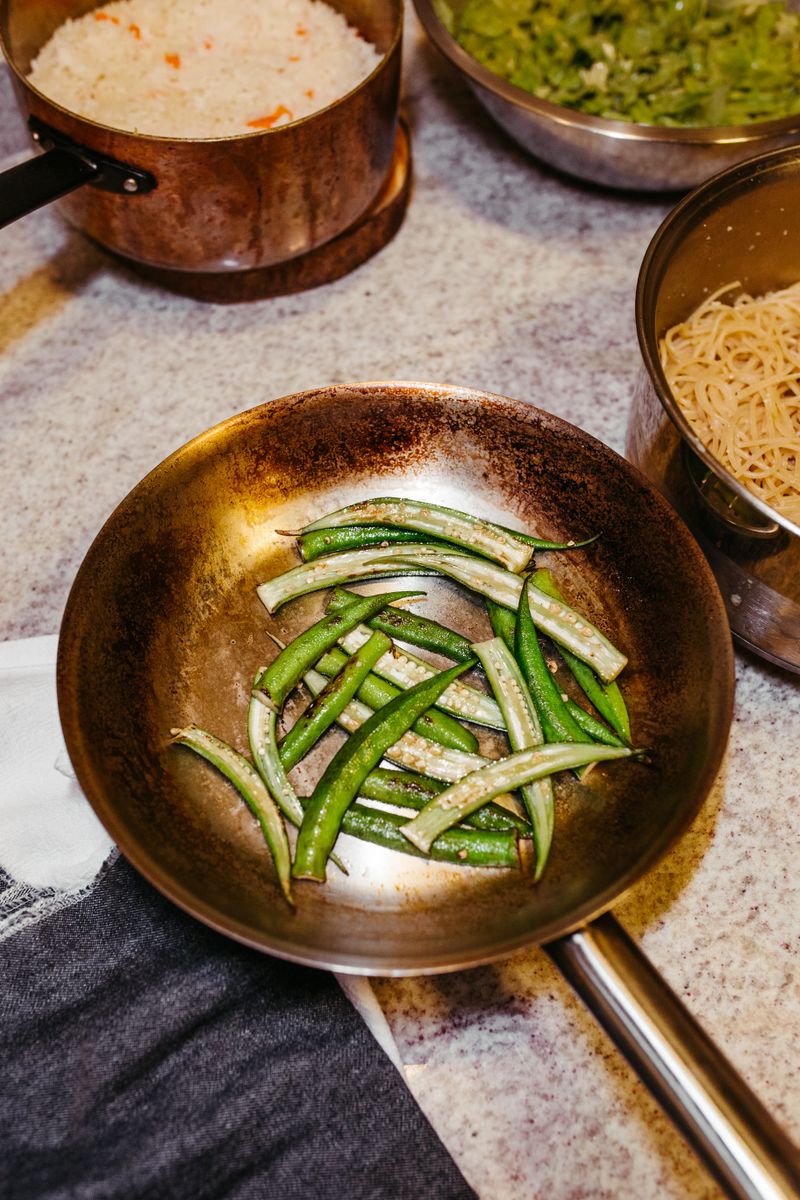
Okra’s versatility in the kitchen is remarkable. The classic bhindi masala — okra sautéed with onions, tomatoes, and spices — remains a staple across South Asian households. The key to avoiding sliminess: cook on high heat and avoid overcrowding the pan.
For a crispy alternative, slice okra lengthwise, toss with cornmeal and spices, then air-fry or shallow-fry until golden. Roasting whole pods at 200°C for 15 minutes with olive oil and salt produces a delicious, non-slimy side dish.
Okra also shines in soups and stews where its natural mucilage acts as a thickener — this is the basis of traditional gumbo. Nutritionally, okra provides vitamin C, vitamin K, folate, and dietary fibre, making it as healthy as it is delicious.
Frequently Asked Questions
How long does okra take to grow from seed to harvest?
Okra typically takes 50–65 days from seed to first harvest, depending on variety and climate. In warm regions like Punjab, expect your first pods around 55 days after sowing.
Can okra grow in containers?
Yes! Choose a container at least 30 cm deep and wide. Dwarf varieties like ‘Baby Bubba’ work best. Ensure excellent drainage and place in full sun. Container okra needs more frequent watering than ground-planted okra.
How do I reduce okra’s sliminess when cooking?
Cook okra on high heat without a lid, add a splash of lemon juice or vinegar, and avoid cutting pods too small. Dry-roasting, grilling, or frying at high temperatures significantly reduces mucilage release.