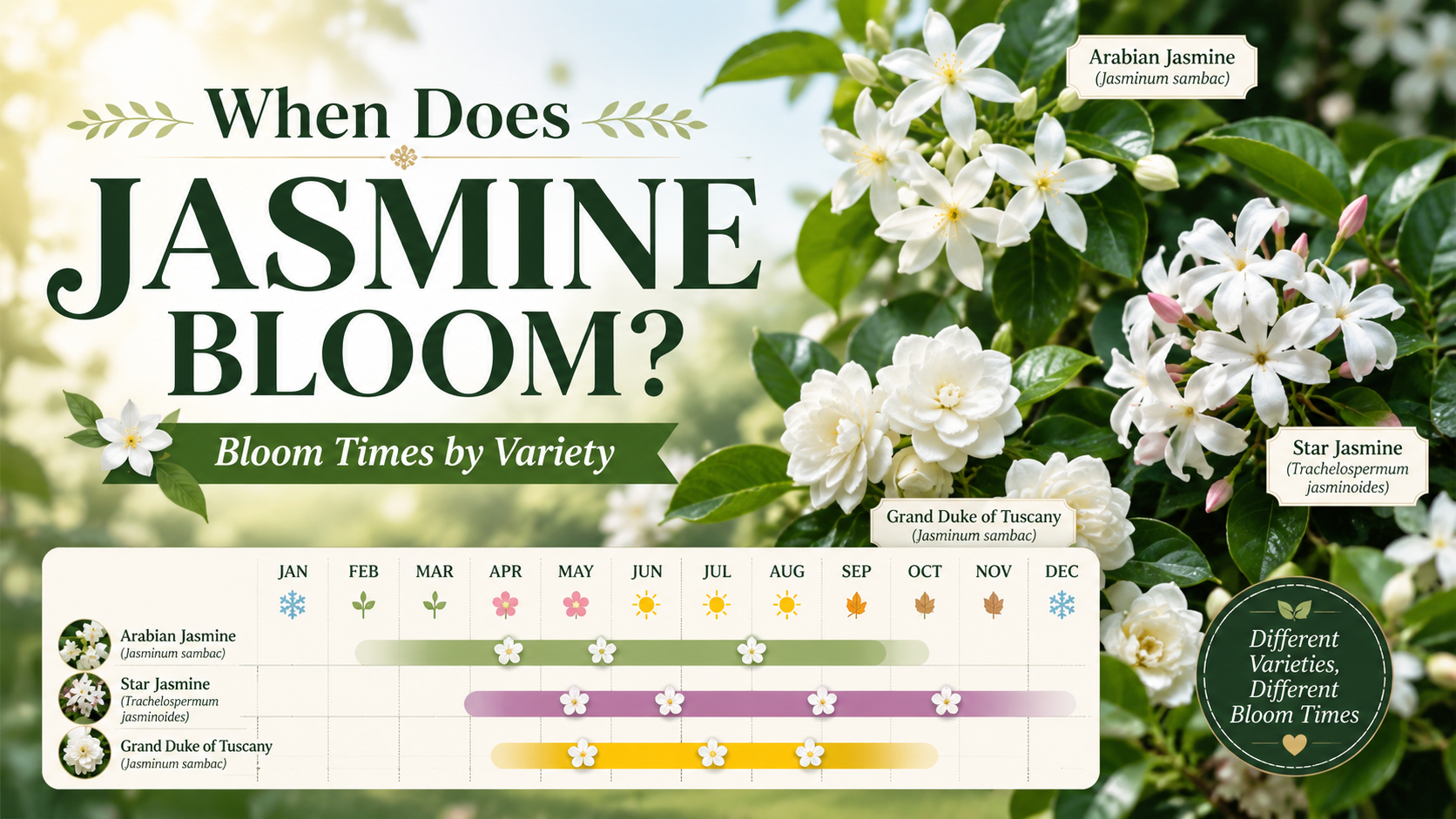

A variety-by-variety guide to jasmine flower seasons, regional bloom differences, and the most common reasons a healthy vine may not bloom.
If you are waiting for a jasmine flower to open, the most useful first step is to identify the plant by its botanical name. “Jasmine” appears on nursery labels for several plants with very different flowering calendars, cold tolerance, and pruning needs.
In a typical temperate garden, common jasmine blooms in summer. Yet a yellow winter jasmine can flower before spring, and a potted Arabian jasmine may keep producing a few fragrant blooms through warm months. Think of the ranges below as a seasonal starting point—not a promise of an exact date.
First: is it a true jasmine?
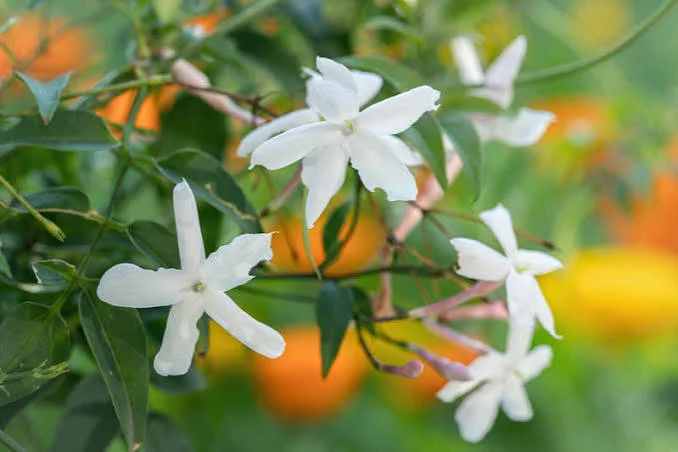
True jasmines belong to the genus Jasminum. Star jasmine, often sold beside them, is Trachelospermum jasminoides—a different plant with similar fragrance and starry white flowers. It is still a beautiful climber, but its bloom period and care are not identical. Check the botanical name on the tag or pot whenever possible.
Common-name caution
Star jasmine is not a Jasminum species. It usually blooms from late spring into summer and is evergreen in milder climates.
Jasmine bloom times, by variety
This reference compares widely grown plants commonly called jasmine. Flowering may begin earlier in warmer regions, later in cooler gardens, and can shift after transplanting or an unusually cold winter.
| Variety | Typical bloom period | Flowers & fragrance | Habit | Best pruning window |
|---|---|---|---|---|
| Common jasmine — Jasminum officinale | June–September | White, strongly fragrant | Deciduous to semi-evergreen vine | Right after flowering |
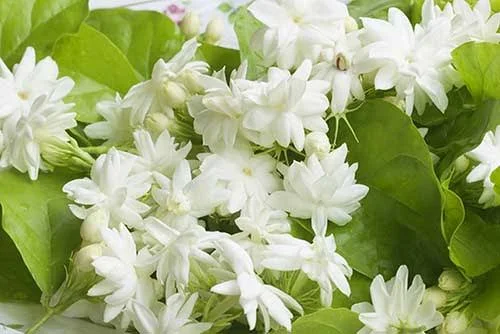
| Arabian jasmine — Jasminum sambac | Late spring–fall; longer in warmth | White, intensely fragrant | Evergreen shrub or twining plant | Lightly after flowering flushes |
| Winter jasmine — Jasminum nudiflorum | December–March | Yellow, usually not fragrant | Deciduous arching shrub | Immediately after spring bloom |
| Pink jasmine — Jasminum polyanthum | Late winter–spring | Pink buds; white, fragrant flowers | Vigorous evergreen climber | After flowering |
| Italian jasmine — Jasminum humile | Late spring–summer | Yellow, lightly fragrant | Shrubby climber | After flowering |
| Primrose jasmine — Jasminum mesnyi | Late winter–spring | Large yellow, lightly scented | Sprawling shrub | After flowering |
| Spanish / royal jasmine — Jasminum grandiflorum | Summer–early fall | White-pink, very fragrant | Tender climbing shrub | Late winter or after bloom |
| Star jasmine — Trachelospermum jasminoides | Late spring–summer | White, sweetly fragrant | Evergreen twining vine | After main flowering |
Bloom windows are typical garden ranges. Cultivar, local temperatures, frost exposure, daylight, and plant maturity can change the display by several weeks.
Why bloom dates change from garden to garden
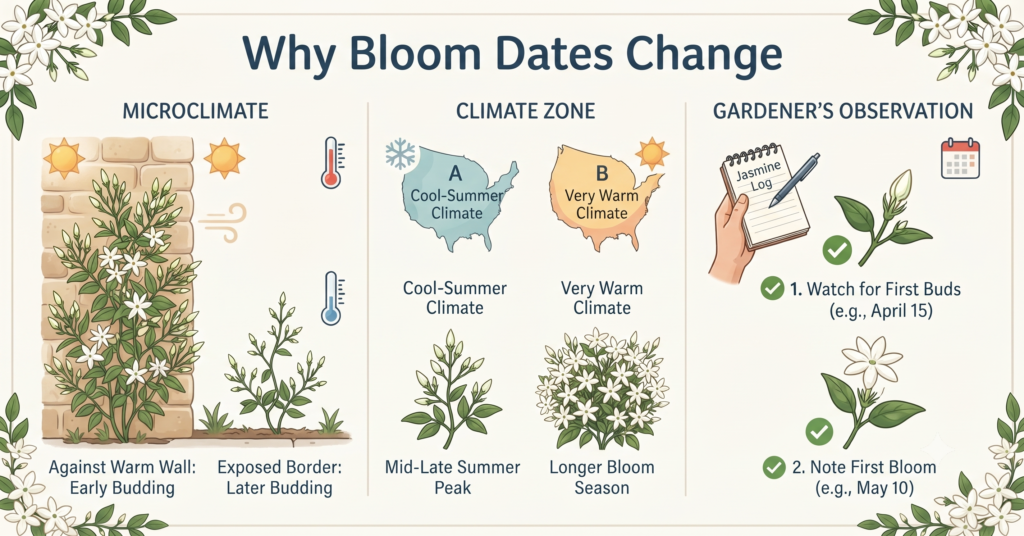
Warmth is not the only factor. A jasmine growing against a sunny wall may begin budding earlier than the same variety in an exposed border. In cool-summer climates, a summer jasmine may not reach peak bloom until mid- or late summer. In very warm areas, tender species can flower for a much longer season.
Watch for small, pointed buds at the tips and along new growth rather than waiting for an arbitrary month. Keeping a simple note of first buds and first open flowers each year is one of the most reliable ways to learn your own garden’s jasmine blooming season.
How long do jasmine flowers last—and can they bloom twice?
Individual jasmine flowers are often short-lived, sometimes lasting only a few days. The overall display lasts longer because buds open in succession. Common jasmine and star jasmine generally offer a concentrated seasonal flush. Arabian jasmine is more likely to repeat-bloom when it receives warmth, bright light, steady watering, and room for new growth. A repeat bloom is possible, but not something fertilizer alone can guarantee.
Does container-grown jasmine bloom differently?
A jasmine flower can bloom beautifully in a pot, but containers make conditions less forgiving. Use a pot with drainage, a free-draining mix, and a support for climbing varieties. Keep moisture fairly even during active growth, then adjust watering to match cooler or lower-light periods. Avoid moving a budded indoor plant repeatedly; abrupt changes in light and temperature can lead to dropped buds.